Quality requirements are the main obstacle to recycling glass waste from construction sites
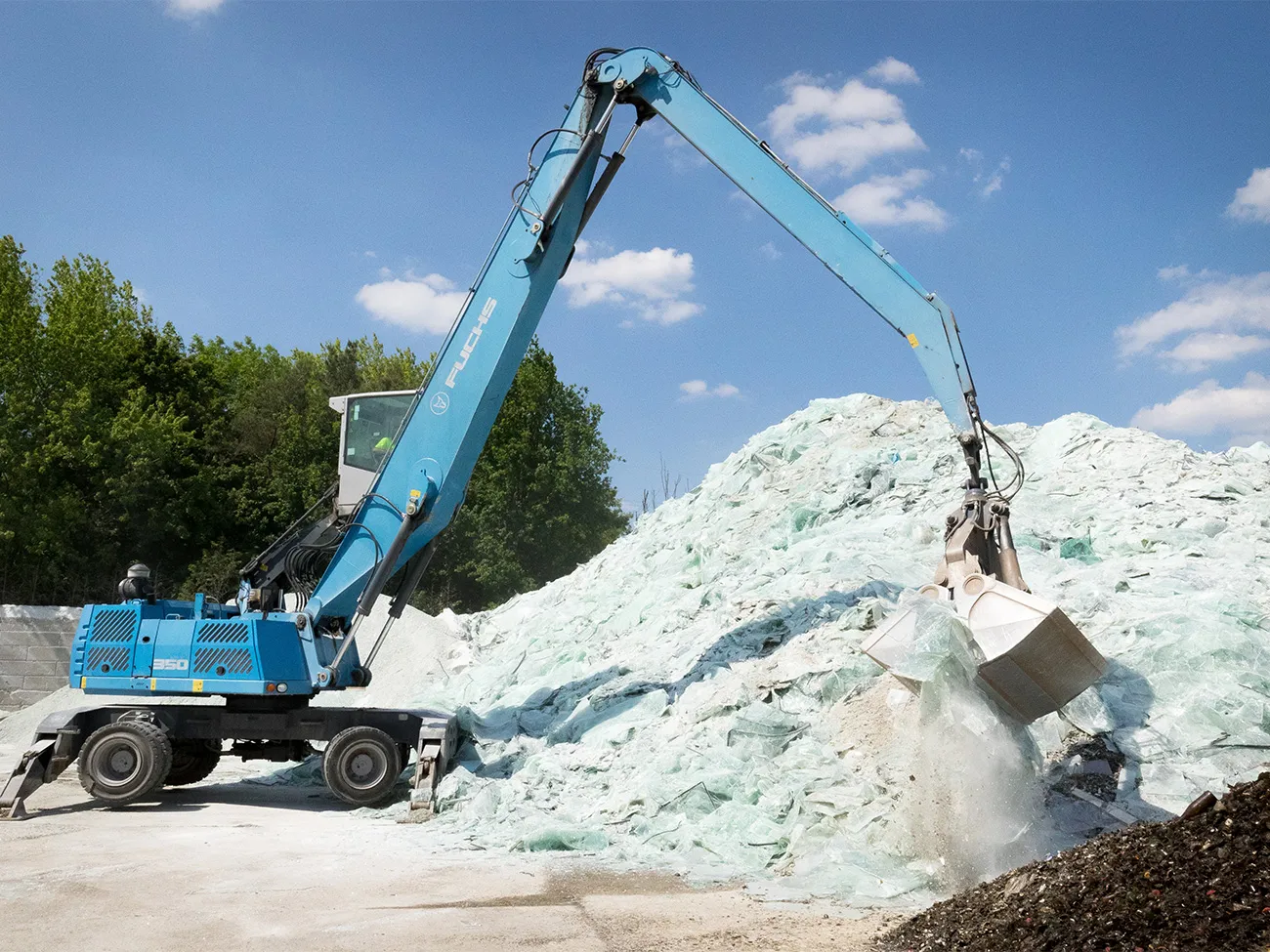
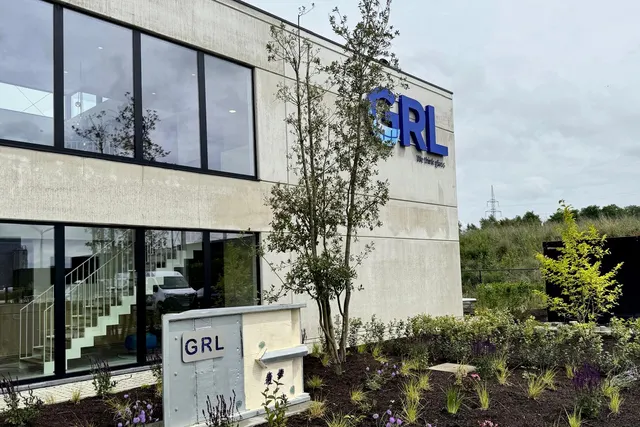
Back when animals still talked, waste was just waste. Today, it is valuable raw material. Glass is a prime example. The glass industry has plenty of environmental reasons to seek out high-quality cullet. That search often brings it to GRL. As Belgium’s market leader in glass recycling, the company, headquartered in Lummen, is well placed to bring us up to date on the key challenges involved in processing post-consumer glass waste.
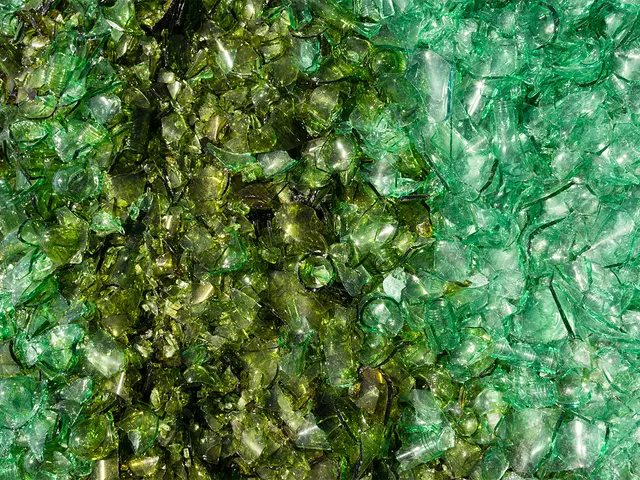
From transporting glass to recycling glass: that is the journey of GRL (Glass Recycling & Logistics), which began sorting glass back in the 1980s. “Back then, sorting and recycling were still in their infancy, but people already recognised the value of glass as a material. Over time, we introduced systematic innovations here in Lummen to further optimise our sorting processes. We have continually invested in new technology to produce an even better end product,” says managing director Martine Meuws. This made GRL a pioneer in glass recycling and the market leader in Belgium, something that did not go unnoticed by German recycling, services and water company Remondis. In 2016, GRL joined the group, giving it a major boost to continue investing in innovation and development. “The cullet we produce is of the highest quality. By also managing logistics in-house, we can ensure that no contamination occurs and guarantee quality right through to the customer.”
Highly critical
GRL employs around 75 people across two sites, in Lummen and Beerse. One of the few glass recyclers to do so, GRL processes both container glass and flat glass on the same sorting line, but in strictly separate batches, of course. “Why not? We have the capacity and the know-how,” explains Meuws. Around a quarter of the 200,000 tonnes processed by GRL each year is flat glass. This comes mainly from industry and, to a limited extent, from recycling centres. For now, the share of flat glass from construction sites is virtually non-existent. “The quality requirements we set for incoming material streams are the main obstacle. We are highly critical,” says Meuws. “KSP (ceramics, stone and porcelain) is an absolute no-go in our production. Because of its density, it is difficult to remove. Unfortunately, these materials are unavoidable in mixed containers on construction sites. There is currently no legal requirement or financial incentive to collect glass as a separate stream on site.”

Working together
Yet no company in the glass production chain, from recyclers to glass manufacturers, can afford to ignore the potential of flat glass from construction and demolition. “Demand for recycled flat glass cullet is enormous,” says Meuws. “The volumes we could recover from construction sites would go a long way towards meeting that demand. But finding workable solutions will require the whole chain to pull together. Glass manufacturers will need to make some adjustments. Not every application requires the highest-quality cullet. We recyclers will need to look at how we can adjust the tolerances in our processes to make them less sensitive to KSP. Finally, we will certainly need to work with the construction sector to raise awareness and emphasise the importance of keeping this stream as clean as possible. We may be struggling with it today, but tomorrow we need to be able to turn post-consumer glass waste into a good product. Our customers expect that of us.”
Question about this story? Ask your question
Keep following this
Get an email when a new story is published. No account needed.
- ThemeMaking use of textiles and other waste streams
- SubjectGlass waste