Glass recycling: We need to do more!

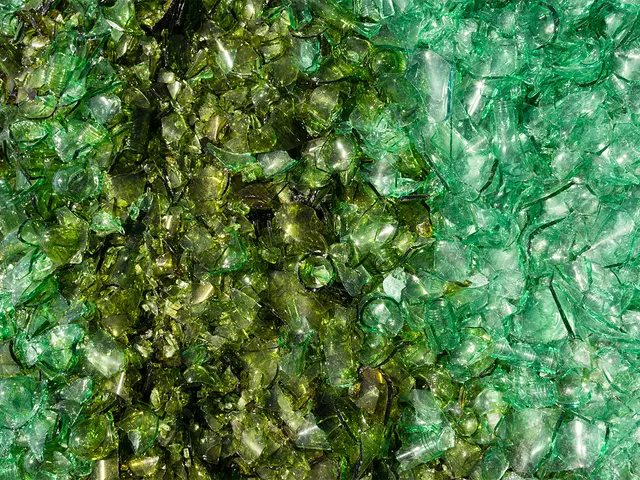
Glass is remarkable. Recyclers can give glass packaging a new lease of life indefinitely, something that is not possible with packaging materials such as plastic, which has a less favourable reputation. This means that the empty beer bottle you put in a bottle bank can be turned into a new bottle time and again, with no loss of quality. There is, of course, one important condition: the glass must be correctly sorted at source. Ceramics, stones and porcelain do not belong in the bottle bank.
Given the properties of glass, one might think that 100% of the glass on the market is recycled, but unfortunately the reality is different. According to FEVE, only 78% of glass packaging is recycled in Europe. This is because the colour and transparency of bottles make the recycling process more difficult, and manufacturers have no incentive to use more secondary raw materials when producing new bottles. This situation not only leads to avoidable CO2 emissions, but also hampers progress towards the 90% glass recycling rate by 2030 targeted by the Close the Glass Loop partnership. This must change, or the situation could become yet another nail in the coffin of the ambition set out in the Paris Agreement to limit global warming to 1.5 °C.
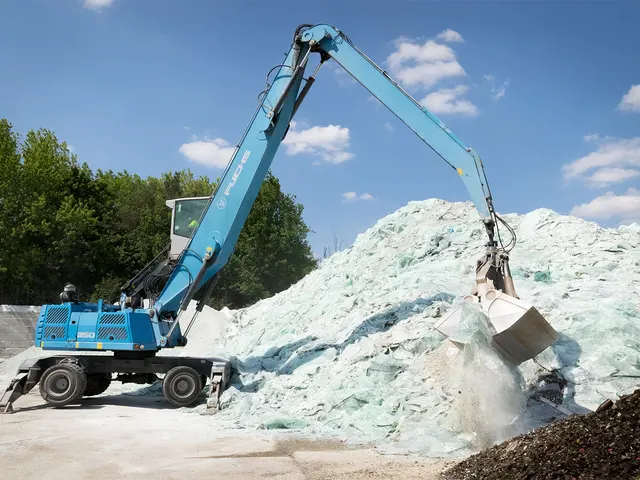
The good news is that recent innovations in glass recycling technology have paved the way for change. We now have the technology and the means to create a more circular glass packaging industry through better collection, sorting and cleaning processes, and by providing incentives to use glass cullet and glass powder to manufacture new bottles. Glass recycler Maltha, part of Renewi, is particularly in favour of glass powder, as it is a cost-effective solution for reducing emissions, while the EU favours longer-term solutions. It is up to EU policymakers and local authorities to address market failures and stimulate demand for secondary raw materials. This change can be brought about through tax incentives, labelling requirements, subsidies and minimum recycled-content requirements, alongside CO2 taxes and deterrents that penalise the destruction of reusable materials. This carrot-and-stick approach can put the end-of-life stage at the heart of the value chain and make recycling easier. Such policies are also relatively easy to implement across the Union, as countries such as Belgium and the Netherlands already impose minimum treatment requirements and can lead by example.
Only strong, concrete measures can make glass a leading material in the recycling industry, setting an example for other materials and helping our economy become fully circular.
Question about this story? Ask your question
Keep following this
Get an email when a new story is published. No account needed.
- ThemeMaking plastics and packaging circular
- SubjectGlass waste