Towards better collection and recycling of flat glass
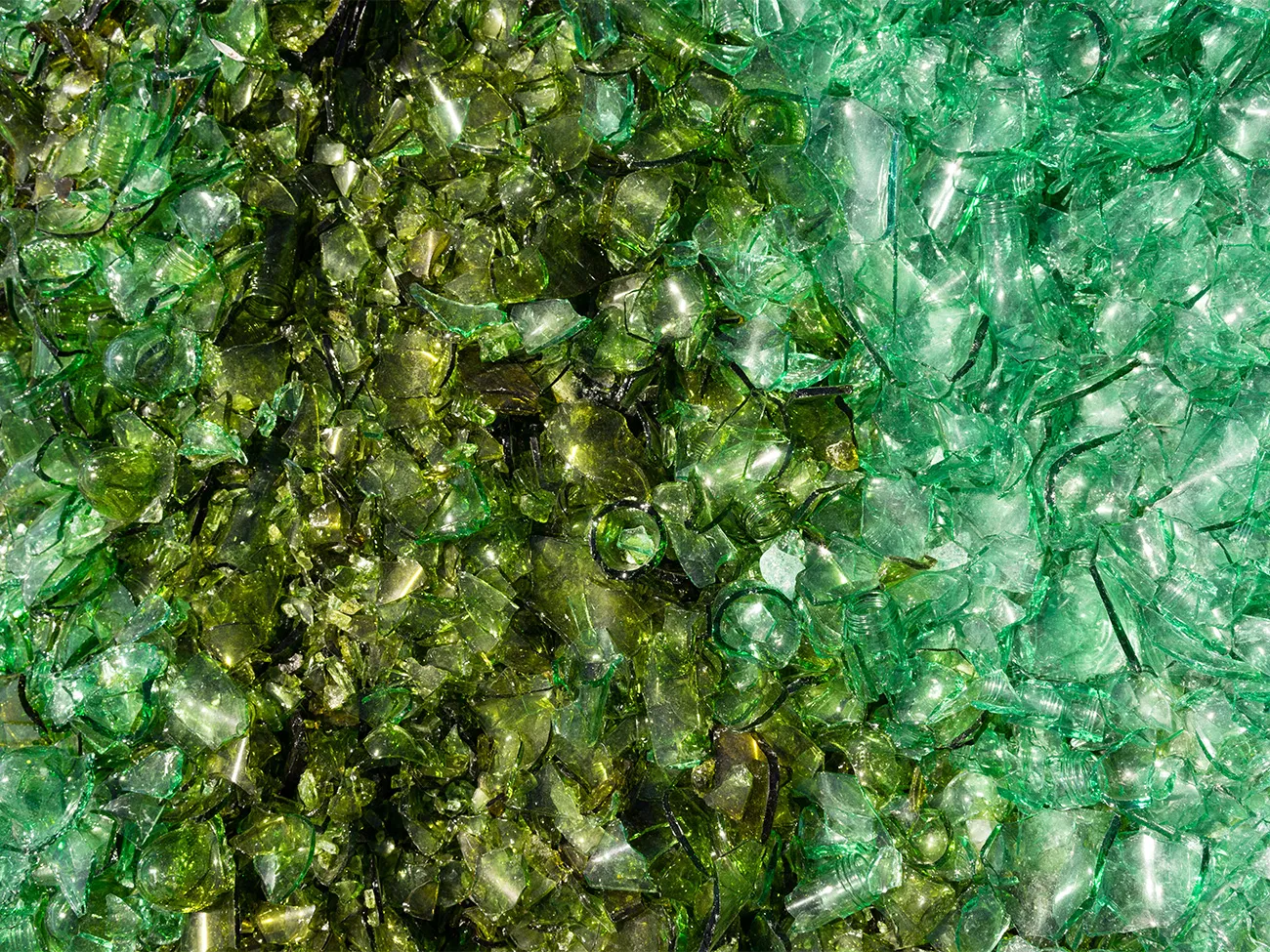
Glass is infinitely recyclable, making it ideal for a circular economy. Recycling of container glass is already running smoothly, but post-consumer flat glass is lagging behind. Yet this category is set to provide a substantial amount of additional material in the coming years, judging by the renovation wave the European Union aims to unleash. We spoke to Emilie Butaye of inDUfed about the challenges.
The glass industry can rightly call itself a pioneer in circularity. For years, the sector has been seeking high-quality cullet to use as a recycled raw material in the production of new glass. Demand even exceeds supply. “Source separation is crucial to achieve the required quality. Collection of container glass works very well, with the many bottle banks that dot our streets where consumers can deposit their glass bottles. However, this glass is not suitable for producing flat glass. Collection is much more difficult in this sector. Not for industrial glass waste, which readily makes its way to glass recyclers and ultimately to glass manufacturers. The challenge lies with post-consumer flat glass. There is still huge potential in the construction sector, particularly in the glass generated by demolition and renovation work.”
Quality above all
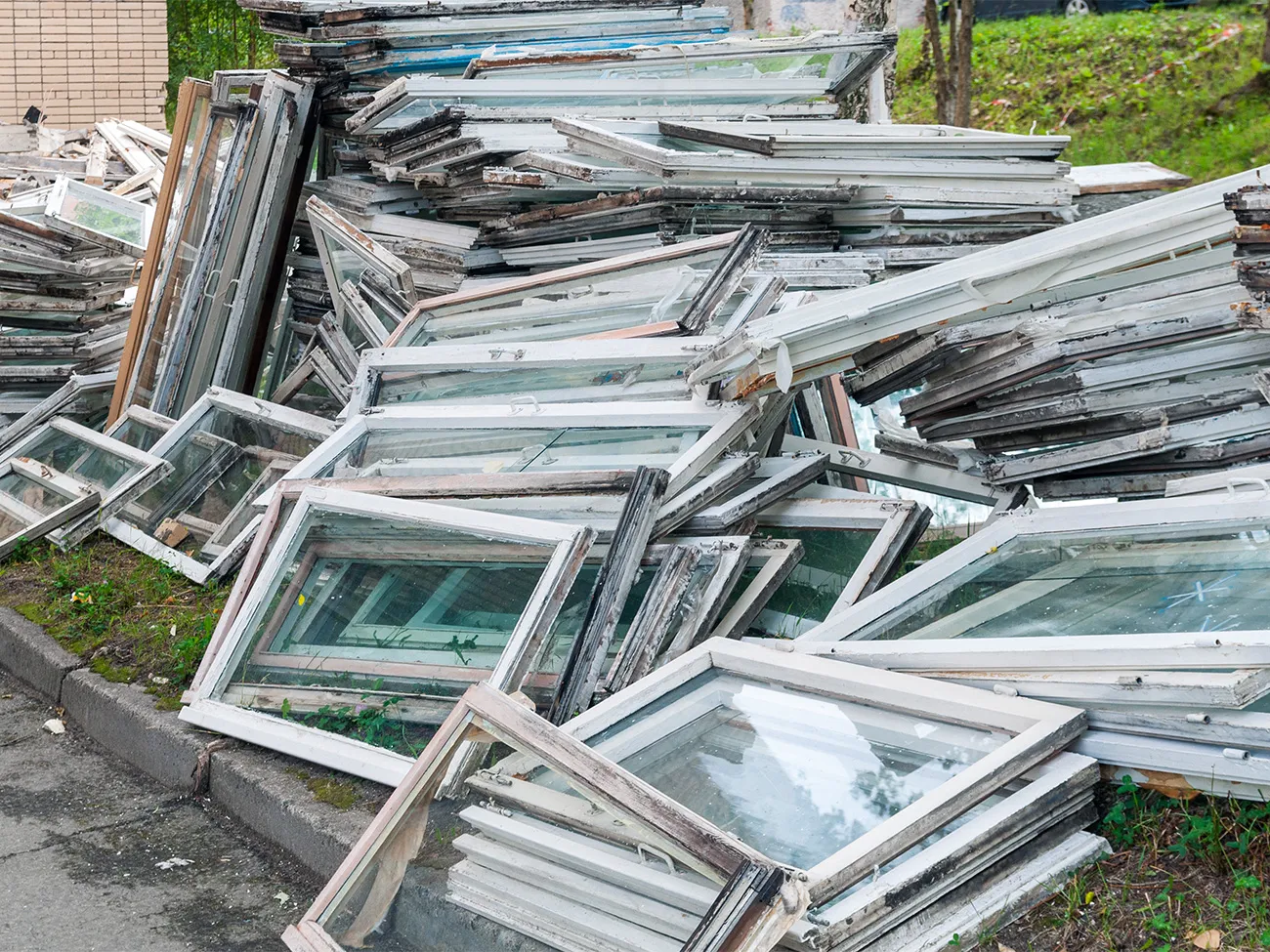
Glass rarely comes on its own. It is usually still attached to the window frame, and both end up in the site’s waste container. From that point on, it is effectively lost to recycling. Butaye: “Quality is everything when using recycled cullet. The glass production process is highly sensitive to contaminants such as KSP (ceramics, stone and porcelain), which are particularly difficult to sort out. Even small particles can cause blockages, while the slightest contamination can also lead to higher CO2 emissions during glass melting. We absolutely want to avoid both.” So should flat glass be collected separately on site? “The bottleneck today is definitely collection. There is no system yet that makes the logistics costs manageable for all parties. Even then, collecting flat glass will bring its own challenges. Removing the glass from the frame must not jeopardise workers’ safety. We will therefore need to sit down with all stakeholders to find workable solutions,” Butaye adds.
A stream with huge potential
A large volume of post-consumer flat glass is expected in the coming years. “Europe has ambitious plans to make its building stock more energy efficient. Renovation is high on the agenda. At today’s rate of renovation, this would already generate an additional 60,000 tonnes a year, but the expected renovation wave will push that figure much higher. This is material we cannot afford to lose.” The Netherlands is one of the places being looked to for solutions. A system has been in place there for 20 years, collecting 80,000 to 90,000 tonnes a year, and operating in a similar way to the system Fost Plus runs for packaging waste in Belgium. However, this would have a major impact on the market, which we want to disrupt as little as possible. Any effective solution must focus on the construction site. How can we motivate contractors to keep flat glass separate? At what volumes does this become profitable? Can we set up collection points within a maximum radius of 20 km? And who will bear the costs? There are still many questions to consider, but the glass industry is determined to take action,” Butaye concludes.
The positive environmental impact of cullet
Recycling glass helps the environment. Adding 10% cullet as a recycled raw material in new glass reduces the energy needed to melt the raw materials by 2 to 3%. But there are further environmental benefits,
because 1 tonne of cullet …
… is equivalent to 850 kg of sand;
… allows for a lower furnace temperature;
… reduces energy consumption;
… reduces CO2 emissions by between 300 and 700 kg;
… reduces emissions of pollutants
Question about this story? Ask your question
Keep following this
Get an email when a new story is published. No account needed.
- ThemeMaking use of textiles and other waste streams
- SubjectGlass waste