New glass recycling plant the most sustainable in Europe
Text Valérie CouplezImage GRL
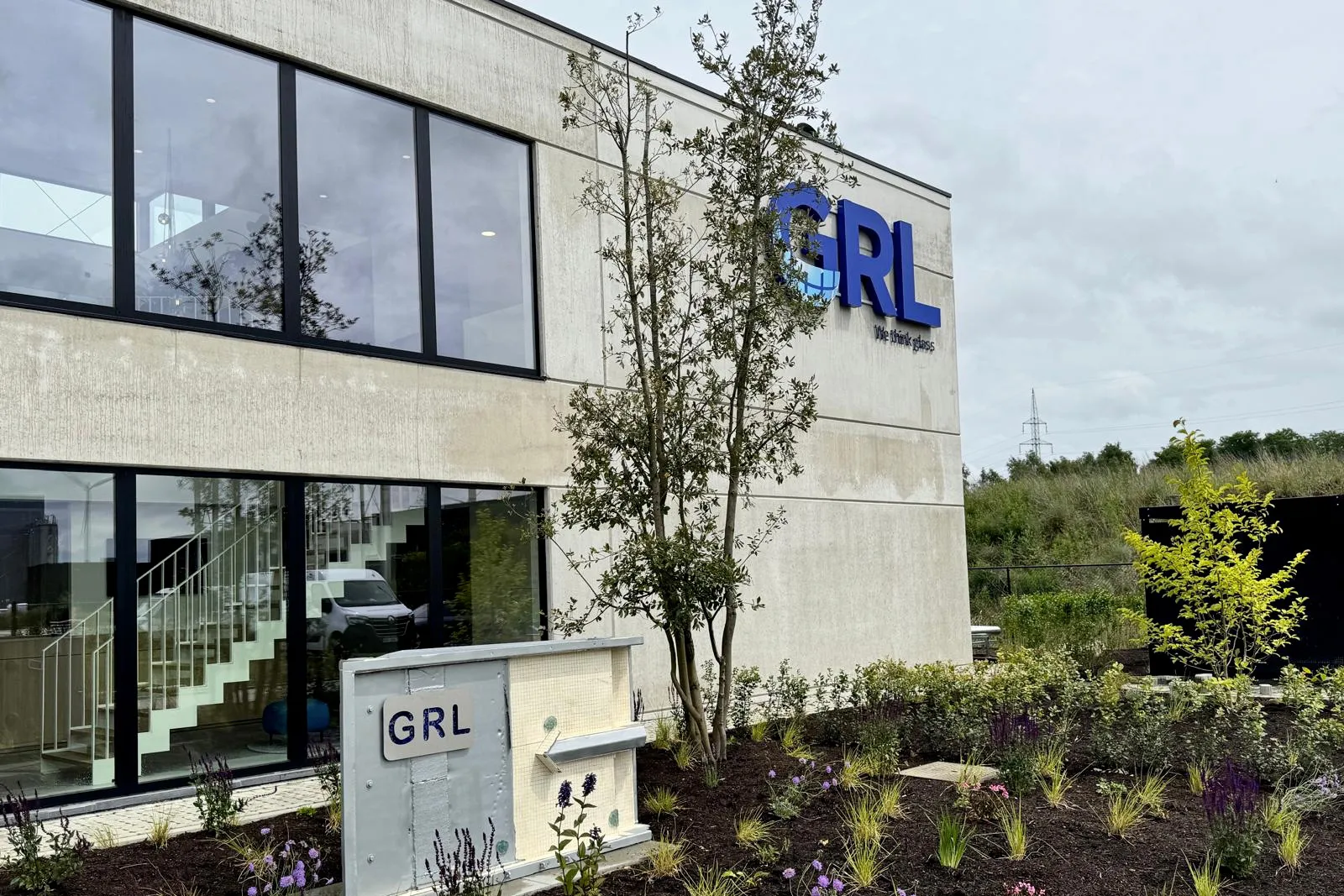
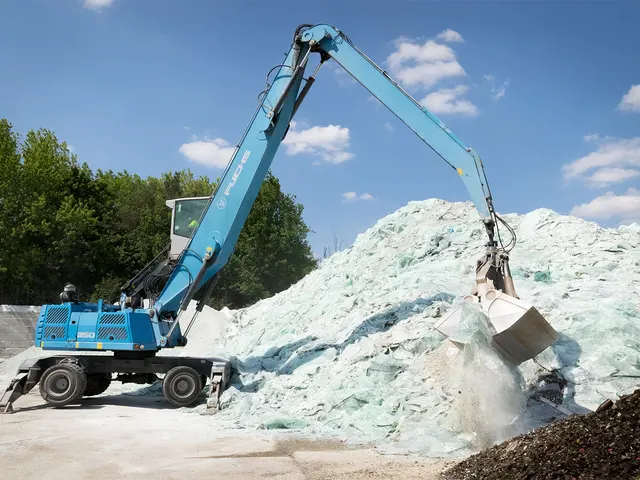
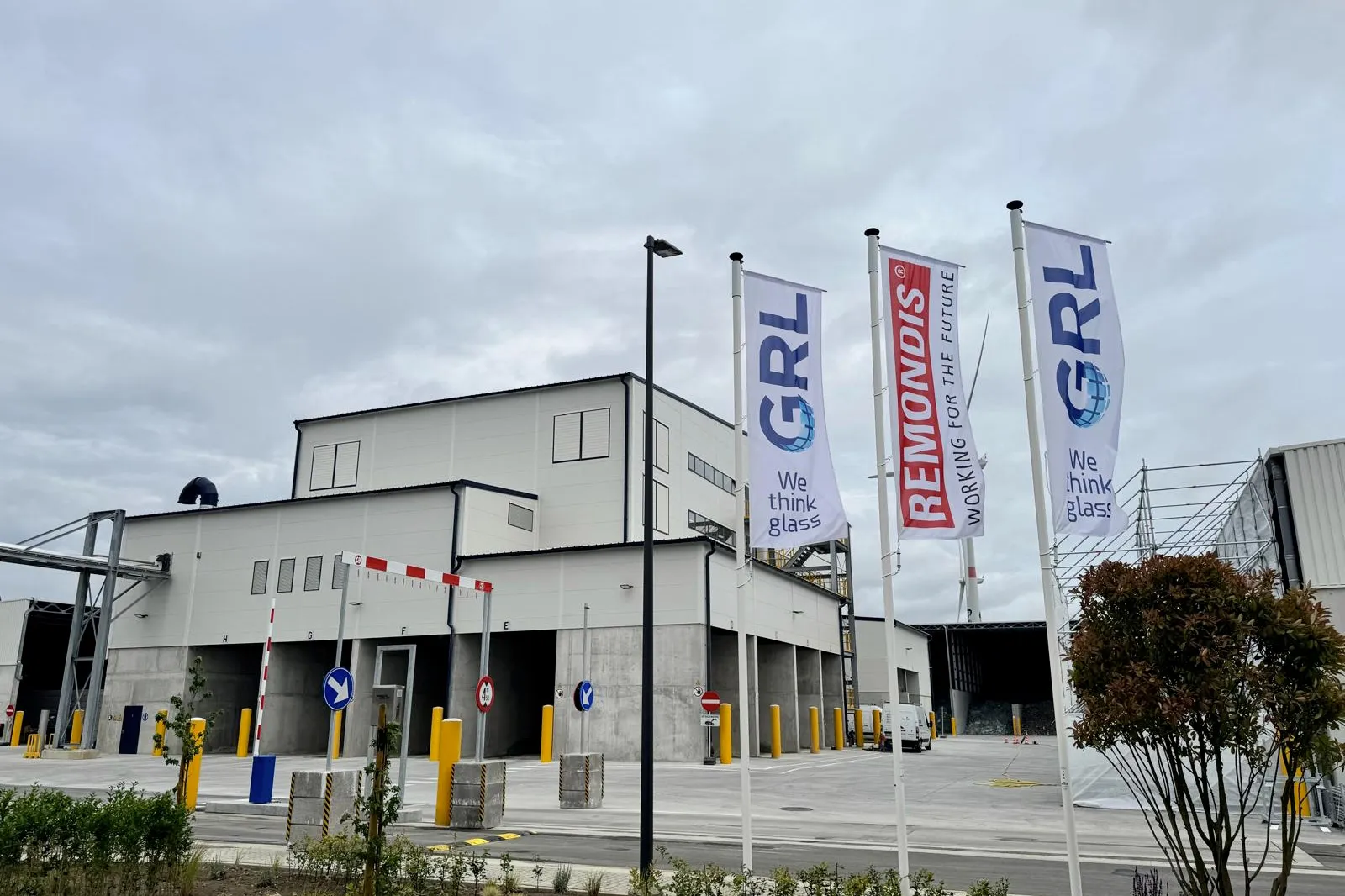
On 3 April, glass cullet passed through GRL’s new recycling plant in Beringen for the first time. At the new site, just a stone’s throw from the old one in Lummen, the company found everything it needed to continue growing and set a new standard for quality and sustainability. RecyclePro found out more at the official opening in early June.
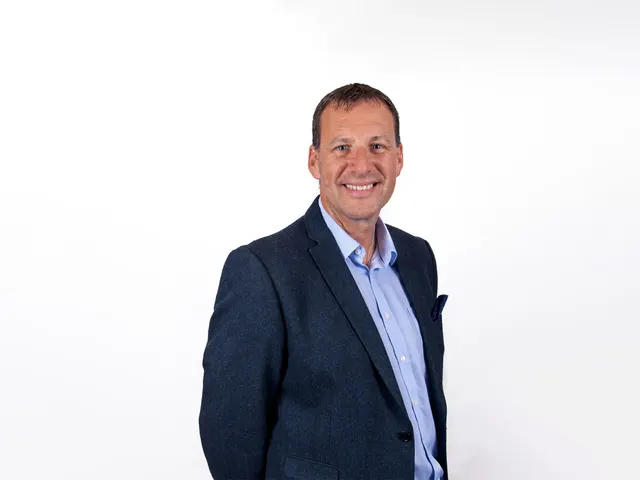
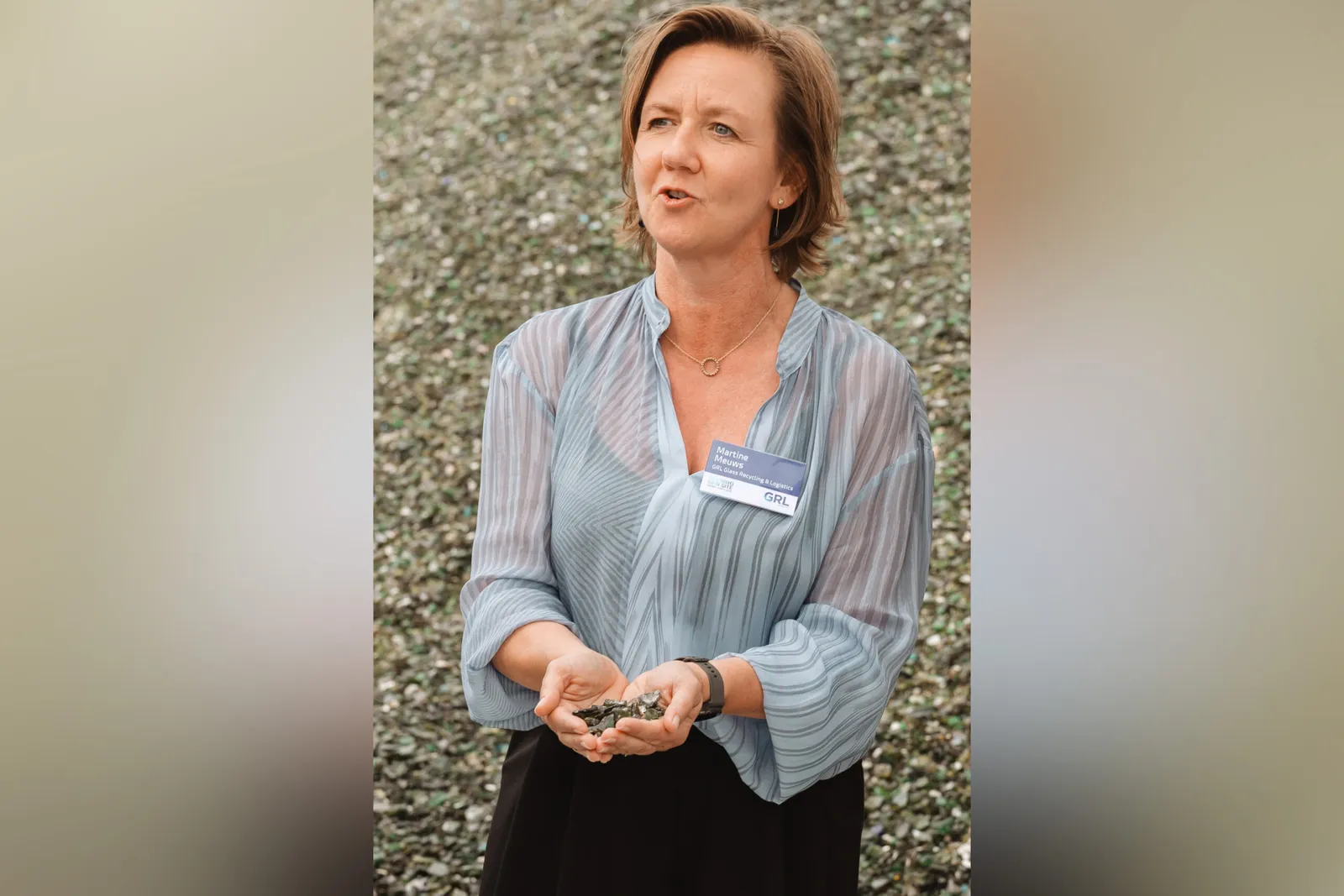
In Lummen, GRL had literally and figuratively outgrown its premises. “The site had become too small and the plant too worn out to keep processing those volumes,” says managing director Martine Meuws. The first steps towards the move date back to 2019. “That was when we held our first exploratory discussions with Bionerga. The presence of its biomass power plant was the reason we wanted to establish ourselves here. The biggest energy consumer in our recycling process is the heat needed to dry the glass in the fluidised-bed dryer. From now on, 100% of that heat will come from Bionerga’s closed steam pipeline, which we connect to via a heat exchanger. This is unique in glass recycling. We will not be Europe’s largest glass recycling plant, but we will be the most sustainable, thanks in part to this synergy.” The entire roof of the new plant is, of course, also covered with solar panels, which will provide a quarter of its energy needs.
Sustainable transport
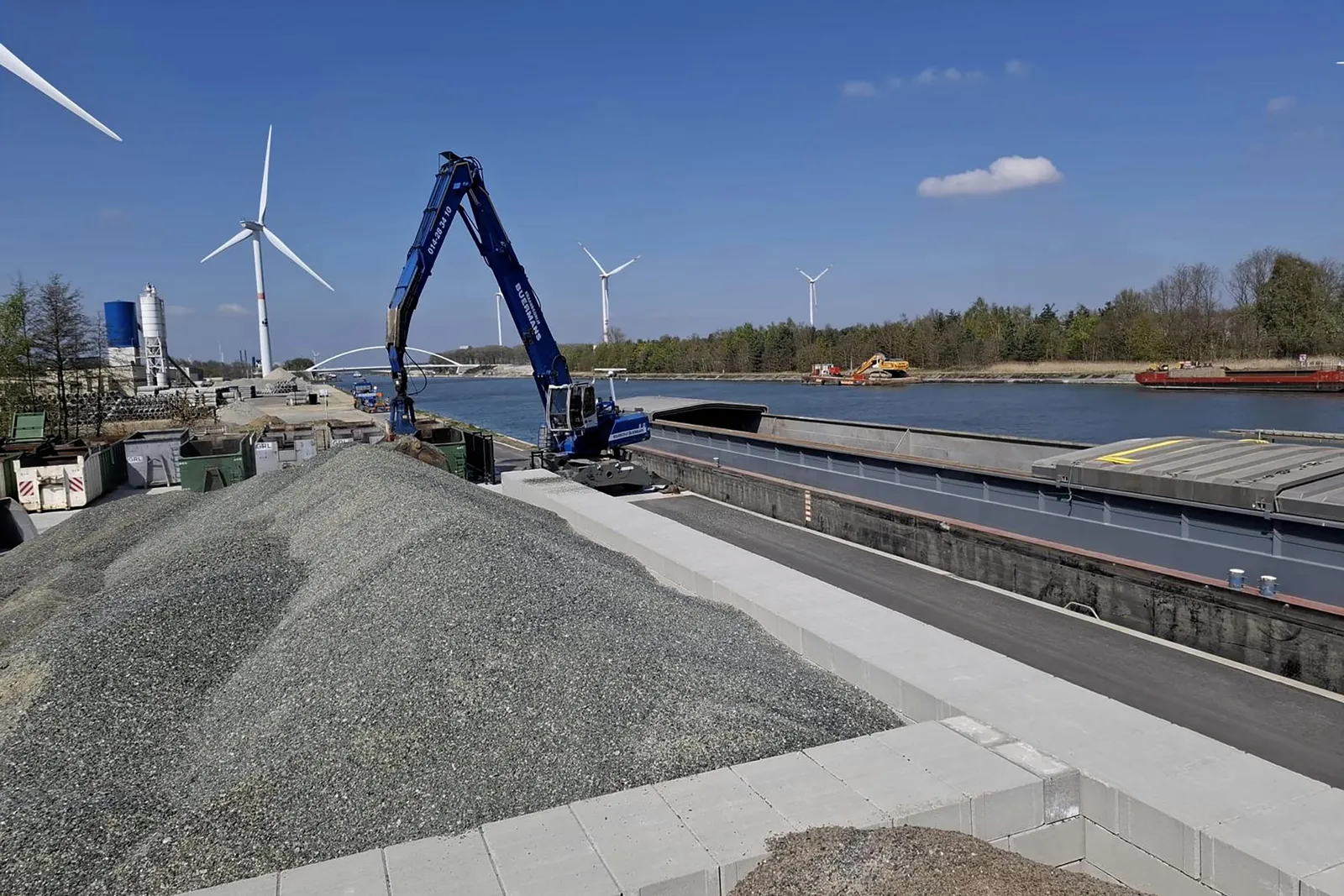
The second factor behind Beringen’s appeal is the presence of the Albert Canal. Meuws says: “At our own 200 m quay, we can load and unload vessels directly. The plan is to increase the share of transport by water to more than 50%, up from 30% today.” The fact that twice as much land is now available, 4 ha instead of 2, completes the picture. “Even so, we are not making a huge leap in terms of capacity. Initially, we will process around 250,000 tonnes of glass cullet a year. That makes us the second-largest operation within the Remondis group. We will do this on two lines: one for flat glass and one for container glass. This approach differs from the one in Lummen, but that is the advantage of starting with a blank canvas. You can rethink your entire process. The investment, with the new plant carrying a price tag of 39 million euros, has gone mainly towards improving our quality. The glass market is currently under pressure. You have to deliver top-quality cullet, so it fits seamlessly into your customers’ production processes.”
State-of-the-art optical sorting
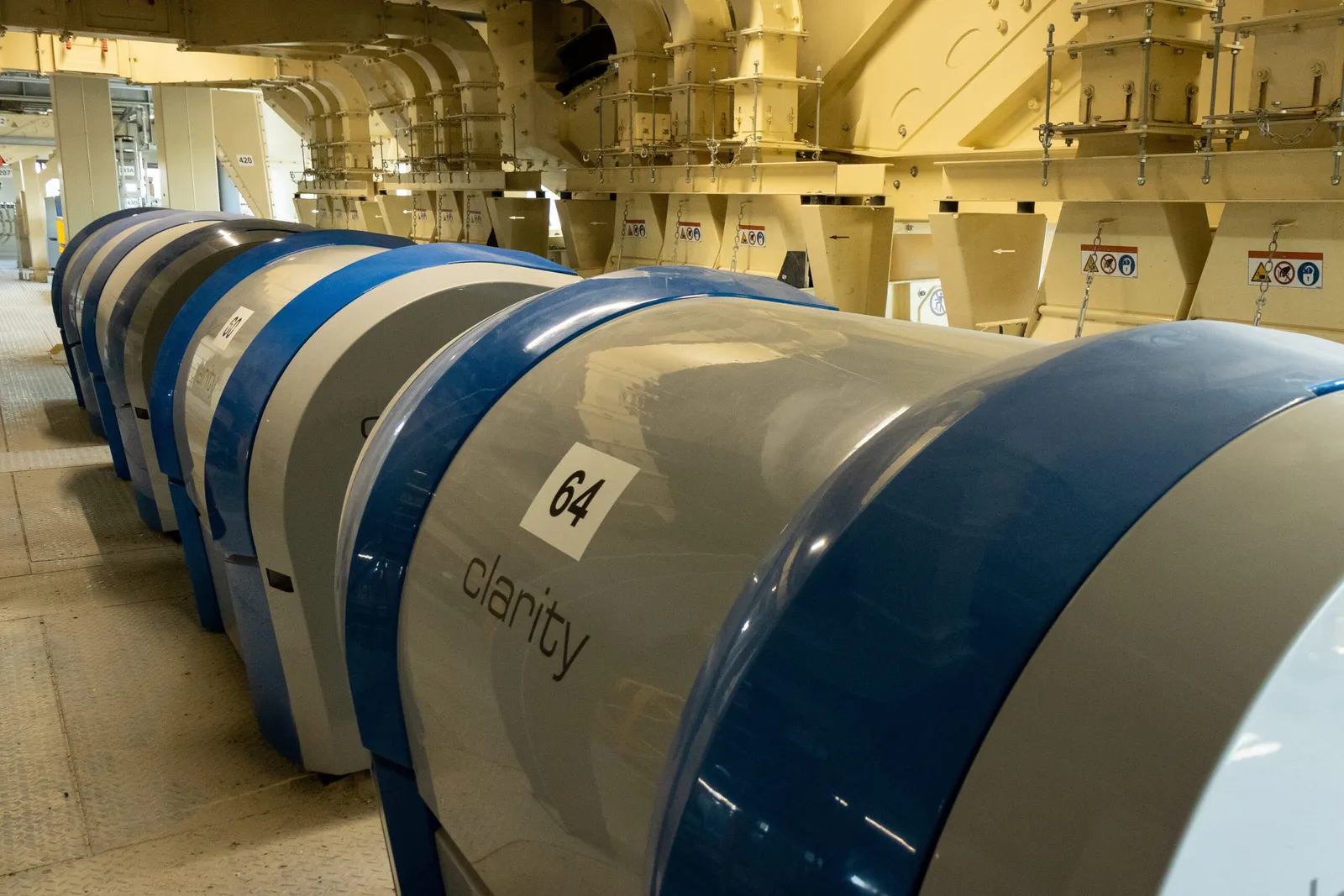
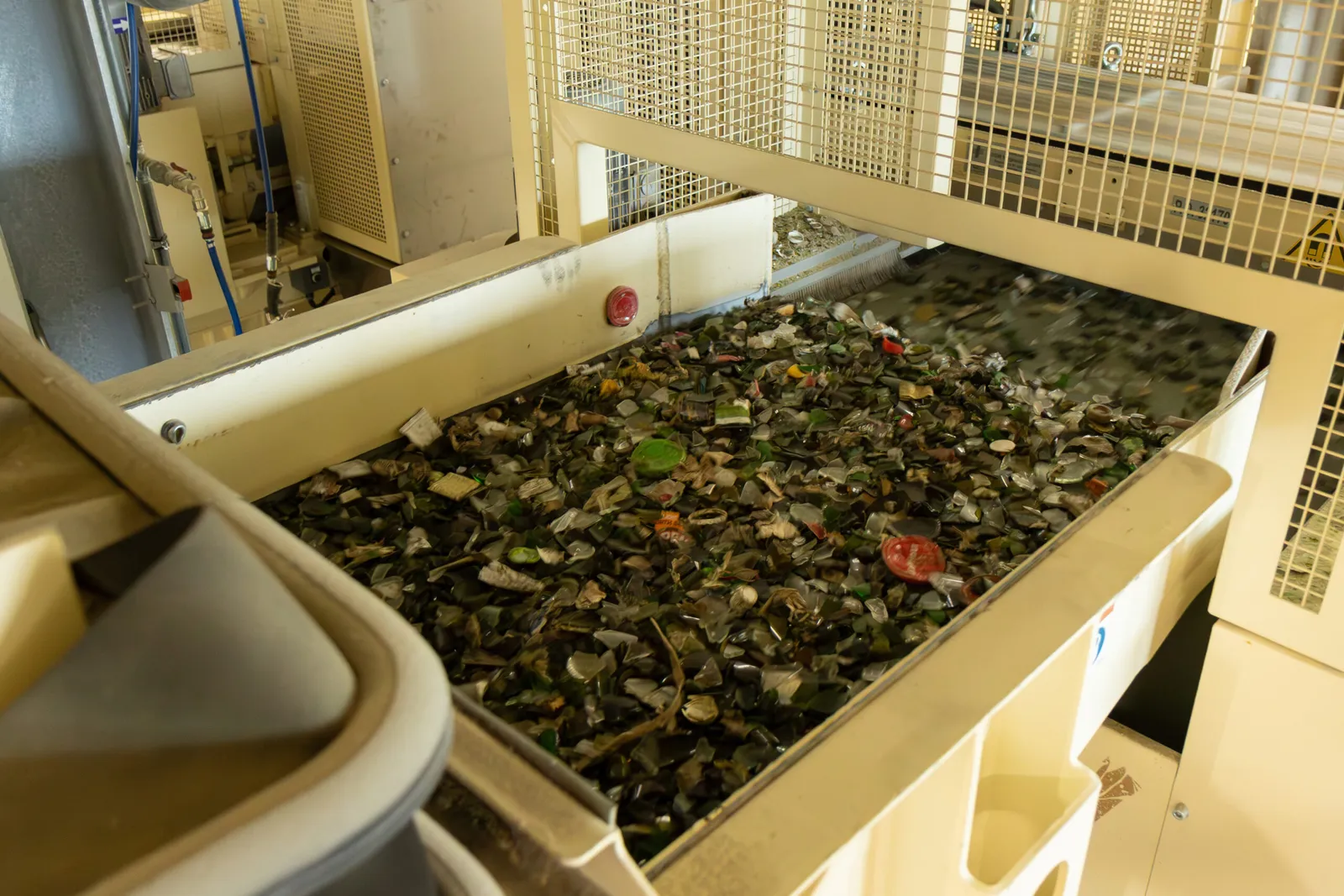
During the tour of the recycling plant, which winds its way across five floors, she points out the optical sorters. They are installed on several different floors. “They are the heart of the process,” Meuws explains. “This is state-of-the-art technology that will significantly improve our process. Depending on the cullet’s transparency and size, the optical sorters separate the glass into high-quality fractions. They enable us to meet demanding quality requirements. But of course, it all starts with good source separation. It is incredible what we find in glass jars: nitrous oxide cylinders, PMD packaging, textiles … Fortunately, there is a lot of awareness-raising around this in Flanders. It remains necessary, even today. Unfortunately, we are seeing more and more contamination in incoming streams, while our customers keep raising the bar. That is why we are so pleased with our new plant and its sorting capabilities.”
Everyone on board
GRL laid the first stone in July 2023. “We moved here on Good Friday, just in time for the Easter eggs,” she says with a broad smile. The official opening followed in June. “What makes me happiest is that we have managed to keep everyone on board. A difference of 15 km in distance did not put anyone off. But the new plant is a showcase for advanced automation and digitalisation. Tasks we used to sort manually are now handled automatically. We have also modernised the entire logistics operation, with unmanned weighbridges, for example. This new way of working did create some uncertainty. But with targeted retraining for staff, we managed to turn that concern into renewed enthusiasm. No one wants to go back. That is great.”
What does the future hold?
Does this mean Lummen is now completely behind you? “Not yet. All options remain open for our former home. For now, we are still using the lines there to reprocess certain streams. Whether that will continue in the future or we will sell the site remains to be seen.” And what does the future hold for Beringen? “With this new glass recycling plant, I have seen a dream come true. It is something the whole team has worked incredibly hard on, on top of our regular duties. I have to say I am relieved that it is up and running now, and that we can catch our breath for a while. But standing still means going backwards, and there are certainly plenty of challenges and dreams ahead. The plant is not finished yet either: we will continue to fine-tune it to get our production running at full steam,” Meuws concludes.
Question about this story? Ask your question
Keep following this
Get an email when a new story is published. No account needed.
- ThemeMaking use of textiles and other waste streams
- SubjectGlass waste