Why textiles are the new plastic
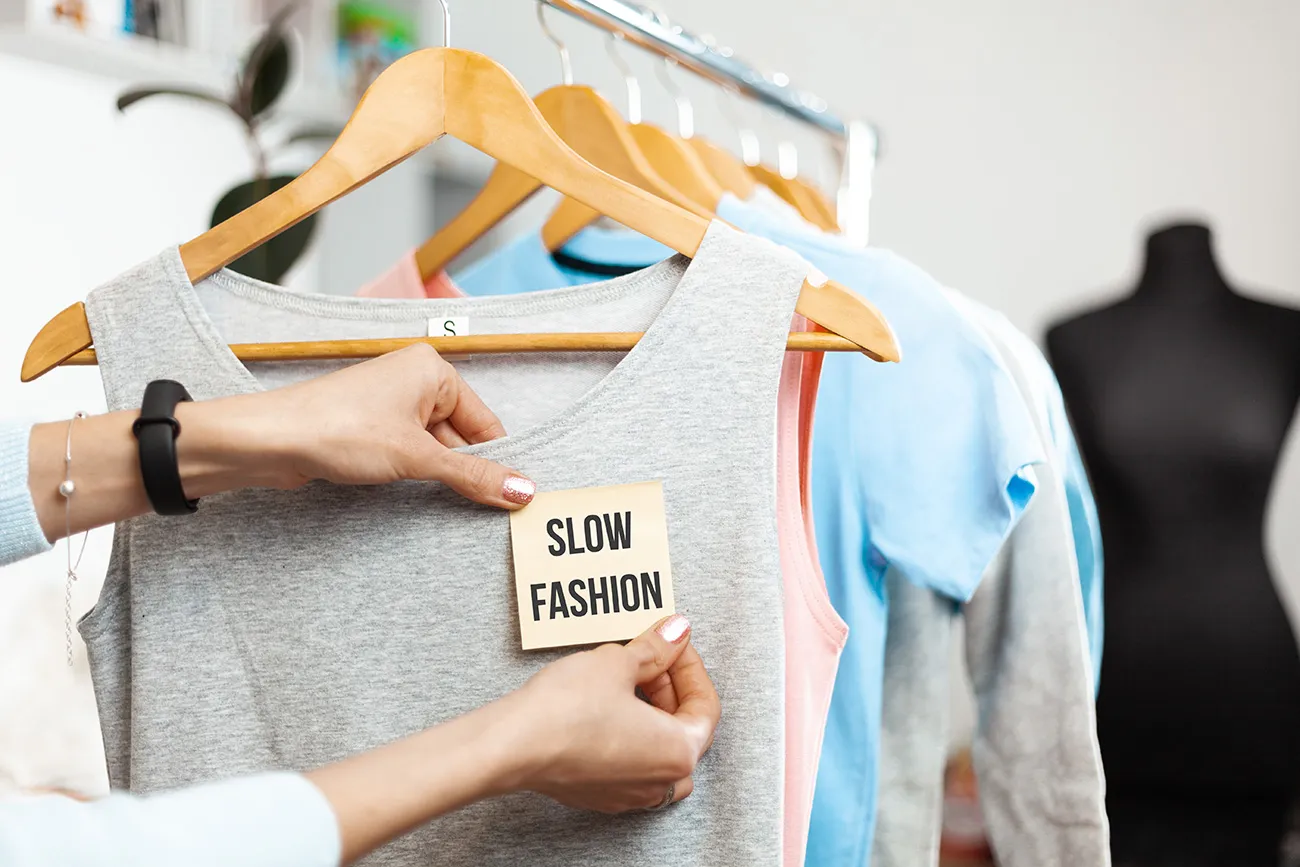
When China’s gates closed, Europe had to urgently look for uses for its plastic waste. The resulting mountain of waste put considerable pressure on prices for existing processors. But today we are seeing an industry emerge that, at least for certain plastics, is no longer dependent on the price of virgin materials. Meanwhile, however, a new problematic waste stream is already emerging. Coronavirus brought the vulnerability of the textile recycling chain clearly to light. This is a sector in which all stakeholders urgently need to take steps towards circularity. Europe has taken note, too.
Producing a single T-shirt requires around 2,700 l of fresh water. That is equivalent to the amount one person drinks in 2.5 years. The global textile industry consumed an estimated 79 billion m³ of water in 2015. For comparison, water consumption across the entire EU economy amounted to just 266 m³ of water over the same period. Around 20% of global clean water pollution is caused by the dyes and finishing agents used in the textile industry. At the same time, the textile industry is responsible for 10% of all carbon emissions worldwide. That is more than the emissions from international aviation and shipping combined. Washing synthetic materials also releases 0.5 million tonnes of microfibres into the ocean every year. This is 35% of all primary microplastics released into the environment.
From fast fashion to sustainable textiles
Are those figures making your head spin? The problem began with the introduction of fast fashion. The average person in the EU now buys 40% more items of clothing than in 1996. The sharp fall in prices and shorter lifespan of garments are largely to blame. Europeans buy almost 26 kg of textiles a year and throw away around 11 kg annually. 87% of this ends up in incinerators or landfill. As part of an action plan for a circular economy, the European Commission presented a new strategy in March 2022 to make textiles more sustainable, easier to repair, reusable and recyclable. It aims to tackle fast fashion and stimulate innovation in the sector.
A change of mindset among producers and consumers
It all has to start with a change of mindset among producers. Waste prevention must come first, so a new business model will have to be adopted that does not encourage consumers to change their wardrobe every season just to keep up with the latest trends. A garment now has an average lifespan of just 1 year. The new strategy also includes new ecodesign requirements for textiles, clearer information and a digital product passport. It calls on companies to take responsibility and act to minimise their carbon and environmental footprints. The Commission’s new strategy also includes measures to tackle the presence of hazardous chemicals, calls on producers to take responsibility for their products throughout the entire value chain, including when they become waste, and aims to help consumers choose sustainable textiles.
Energy savings of up to 330 GJ/t
Under the Waste Framework Directive approved by the European Parliament in 2018, EU countries are required to collect textiles separately by 2025. Second-hand clothing has the greatest potential to save energy and raw materials. Avoiding the entire production chain for new clothes can deliver energy savings of up to 330 GJ/t. Reuse, for example in the production of cleaning cloths and wipes, also brings a significant environmental benefit and saves 200 GJ/t of energy. The EU has an EU Ecolabel that can be applied to products from producers meeting certain environmental criteria, such as limiting the use of harmful substances and reducing water and air pollution. In addition, the EU has taken a number of measures to reduce the environmental impact of textile waste. For example, under the ‘Horizon 2020’ programme, funding is being provided to RESYNTEX, a chemical recycling project that could offer a circular business model for the textile industry.
Question about this story? Ask your question
Keep following this
Get an email when a new story is published. No account needed.
- ThemeMaking plastics and packaging circular
- SubjectTextile waste