












Where does our commercial plastic packaging waste go?
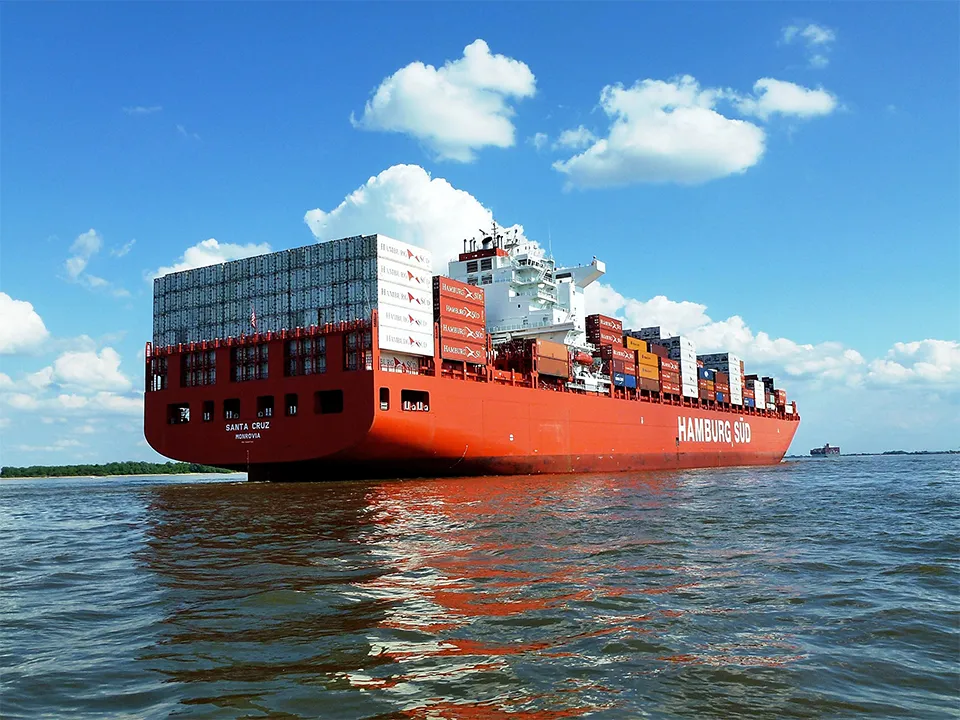
Traders play an important role in the plastic packaging waste recycling chain. They handle the complex administrative procedures involved in exporting waste and can provide processors with a steady supply of material.
That is why their services are often called upon. But what volumes are involved, and is the collected plastic packaging waste actually recycled? Valipac is the first organisation in Europe to provide a definitive answer, having mapped the destinations of 90% of Belgium’s commercial plastic packaging waste.
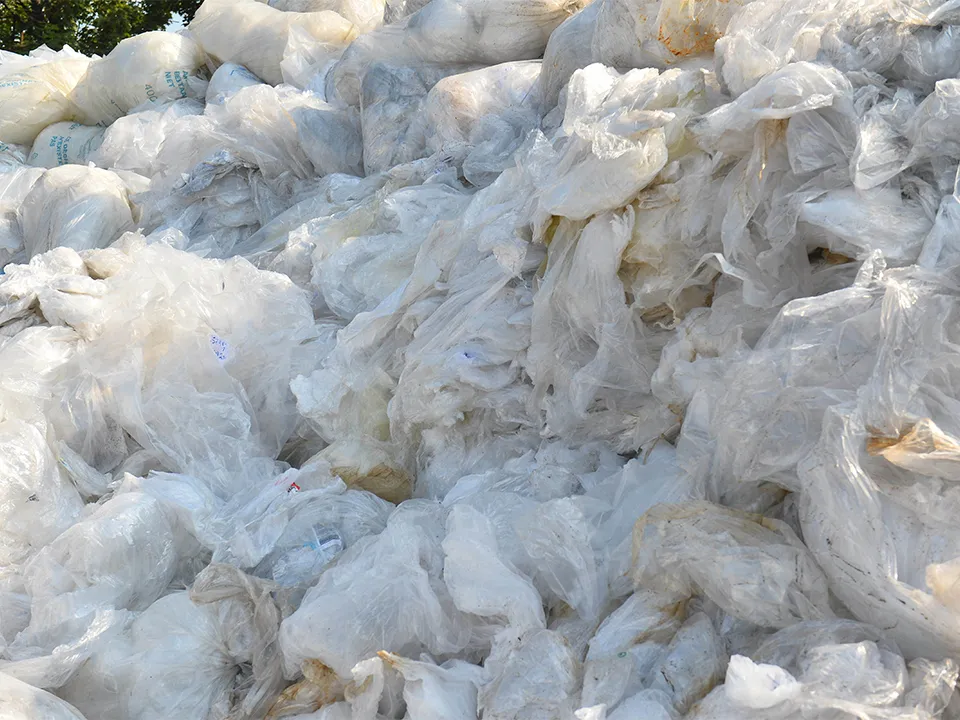
Valipac’s new accreditation brought with it a number of additional obligations. Reports on collected commercial waste had already given the legislator a good idea of where the waste was generated. The next steps in the chain now needed to be clarified: where does it ultimately end up? Mapping these destinations is part of the broader vision of encouraging local recycling in the longer term. Valipac director Materials and Operations Xavier Lhoir says: “The biggest blind spot concerned the plastic waste handled by traders. They account for 41.5 kilotonnes of the plastic packaging waste collected in Belgium. Where does this collected stream go? Where does the final recycling take place? When you consider that 58.8 kilotonnes of commercial plastic packaging waste was recycled in 2019, you realise just how important the traders’ role is. That is why we began contacting traders two years ago to gain more insight into the destinations of our plastic packaging waste.”
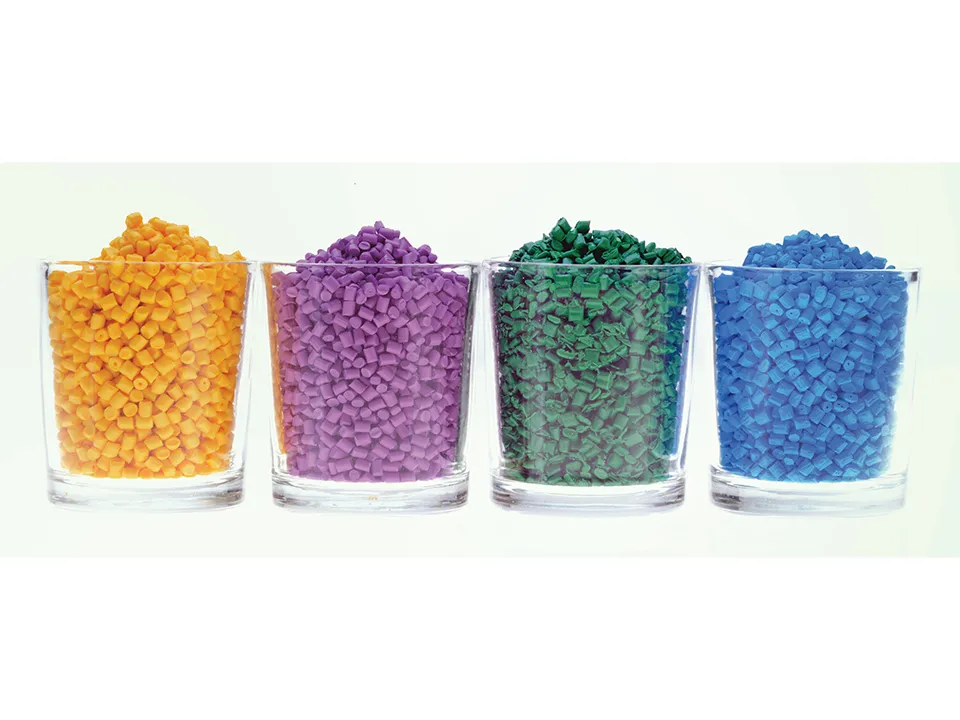
Information from eight traders: 85% of the market
“Traceability has been on our agenda for much longer. However, since traders have no obligations towards Valipac and the information is commercially sensitive, it took a long time to finalise the contracts. The negotiations lasted around two years. But this represents a huge step forward,” says Lhoir. At the beginning of 2020, Valipac was able to start processing the information provided by eight traders: Broeckx Plastic Recycling, De Pauw Recycling Fischer RVG, Fremo, Gemini, Kras, Peute Recycling and Synergy Tradeco. Together, they account for 85% of the market. Can we guarantee that the material is actually recycled? And does this take place under ‘broadly equivalent conditions’? This means that the country’s environmental standards are respected and that social conditions are also appropriate, with no child labour, for example. “Initially, we will focus our checks on the traders’ largest partners. In the current context, however, this is not possible, as travel is out of the question. We are considering temporarily outsourcing our audits to local auditing firms,” Lhoir says.
Asia is the main final destination
Based on this information, Valipac was able to identify 242 new recycling companies around the world. In total, 20.8 kilotonnes (39%) went to Asia, while 10 kilotonnes (19%) went to Turkey. The remaining 22 kilotonnes (42%) stayed in Europe.” Valipac is particularly pleased to have mapped 90% of the market, thanks to the willingness of the traders mentioned above and the operators affiliated with them. “For 2021, we are raising the bar again. We want to achieve maximum traceability by signing contracts with other traders and extending the mapping to other commercial packaging materials. At present, we can offer few incentives for this cooperation apart from financial compensation. But in the longer term, transparency about the final destination will become an important condition for being able to call something recycling,” Lhoir concludes.
Question about this story? Ask your question
Keep following this
Get an email when a new story is published. No account needed.
- ThemeMaking plastics and packaging circular
- SubjectPlastic waste







