












Update to the Recycle Check for Flexible Plastic Packaging
Text and images KIDV
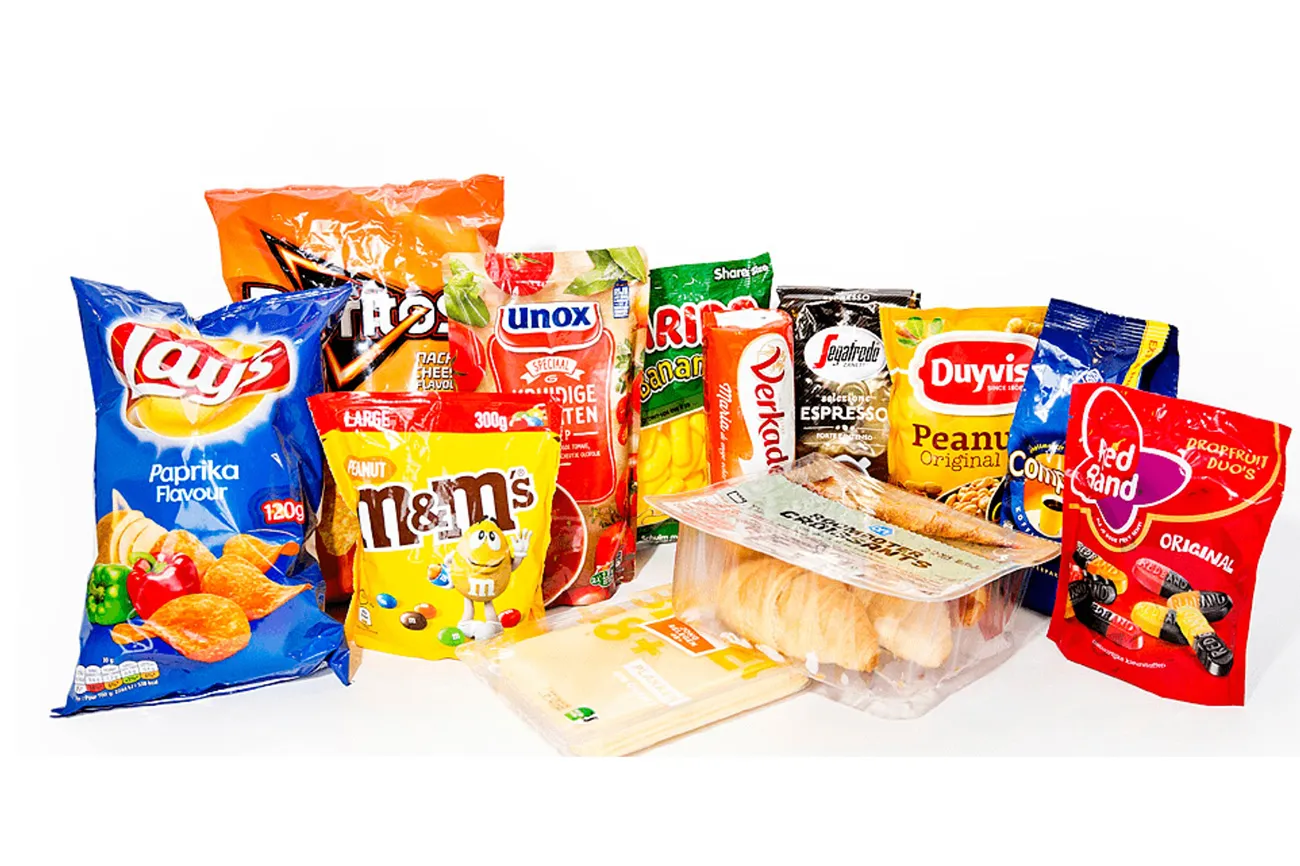
The Recycle Checks developed by the Dutch Sustainable Packaging Knowledge Institute (KIDV) are updated as needed. The latest update to the Recycle Check for flexible plastic packaging was published in mid-August. Producers and importers can use the Recycle Check to assess the recyclability of their flexible plastic packaging with relative ease.
The KIDV Recycle Check is a tool that helps packaging designers, as well as marketers and buyers, make one of the many decisions they face when bringing a new product or package to market. The tool takes the form of a decision tree. The Recycle Check applies to flexible plastic packaging that ends up in household waste, or similar waste streams, such as waste from the hospitality sector, offices, shops and service businesses.
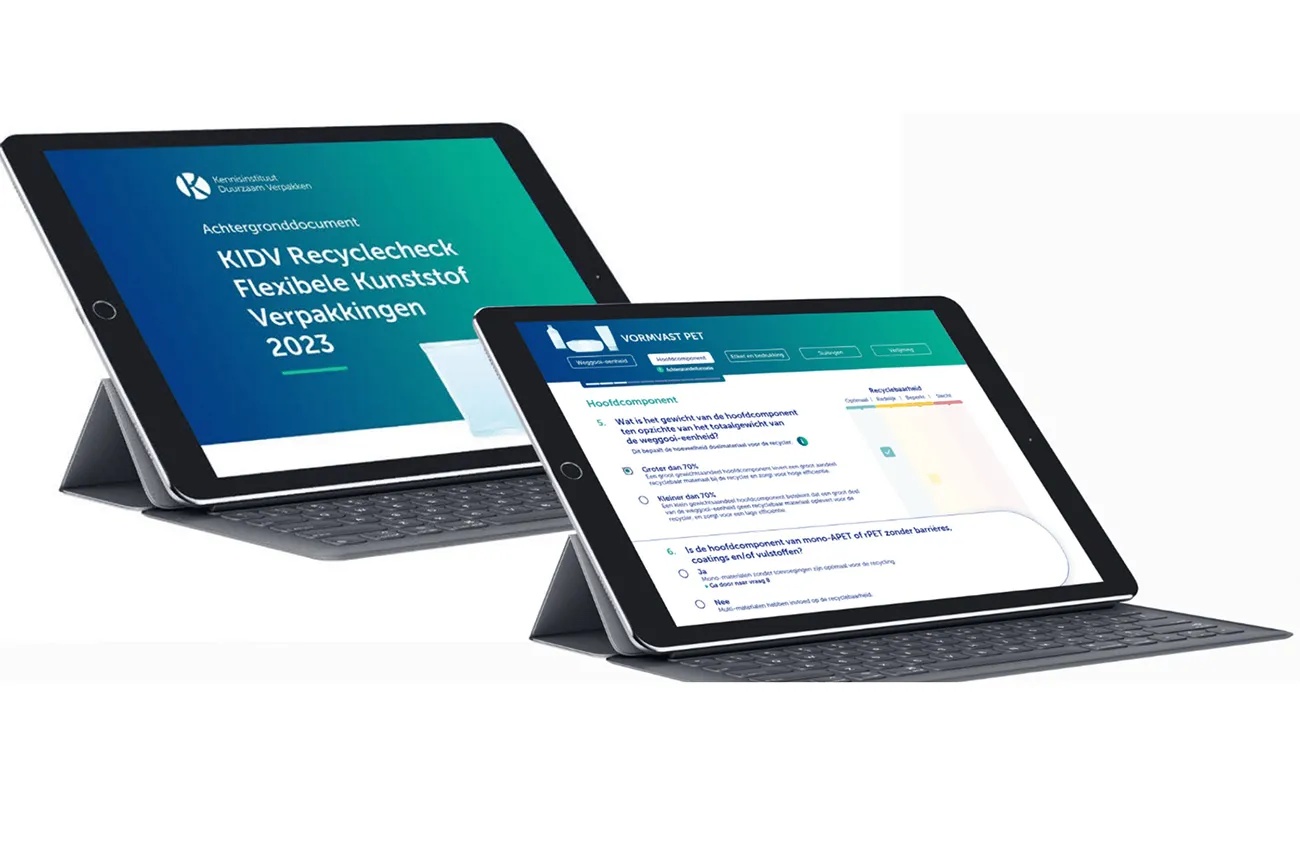
The layout and format of the Recycle Check have recently been updated. The new format clearly distinguishes between different types of plastic: PE, PP and other flexible plastics. A separate checklist of questions about the packaging has been created for each type of plastic. Further information and explanations of the checklist questions are provided in a background document.
Recyclability rating
Users can select the appropriate answer to each question about the packaging. The results are processed automatically, producing a rating for the packaging: good, reasonable, limited or not recyclable. Scores and any comments are summarised clearly. The summary can be saved as a PDF and shared with colleagues or other stakeholders. Users can also consult the other KIDV Recycle Checks directly if parts of the packaging are made of paper, glass or metal.
Key changes
The main changes to the Recycle Check for flexible plastic packaging, compared with the previous version, are listed below. An English version of the 2023 Recycle Check will be published soon.
• The requirement for packaging to be at least A4 size to qualify as ‘easily recyclable’ has been dropped. Sorting processes have been modernised, so in most cases smaller formats can now also be sorted and recycled effectively.
• In the previous version of the Recycle Check, flexible packaging smaller than 50×50 mm was classified as ‘not recyclable’. This has been changed in the 2023 version. Packaging larger than 30×30 mm can increasingly be sorted and recycled effectively.
• Barrier layers, such as EVOH, SiOx and AlOx, have a limited impact on packaging recycling when used in low concentrations. They can receive a ‘reasonably recyclable’ rating. The same applies to metallisation, provided the layer is not visible on the outside.
• Small rigid components made of the same material as the main component are no longer considered disruptive to the recycling process.
• PP packaging can receive a maximum rating of ‘reasonably recyclable’, as only limited quantities are currently recycled.
• Other flexible plastic packaging that is not made primarily of PE and/or PP can receive a maximum rating of ‘limited recyclability’, as it is not sorted into a separate mono-material stream. As a result, it mainly ends up in the mixed stream, often together with rigid plastic packaging, difficult-to-sort multi-material packaging and black packaging.
• A film, wrap or sheet made of different materials on each side can receive a maximum rating of ‘reasonably recyclable’.
• The background document includes tips on minimising product residue and the amount of ink and adhesives.
The Recycle Check for Flexible Plastic Packaging can be downloaded from the KIDV website.
Question about this story? Ask your question
Keep following this
Get an email when a new story is published. No account needed.
- ThemeMaking plastics and packaging circular
- SubjectPlastic waste







