












Three new recycling centres put Belgium at the forefront of Europe in creating a circular packaging economy
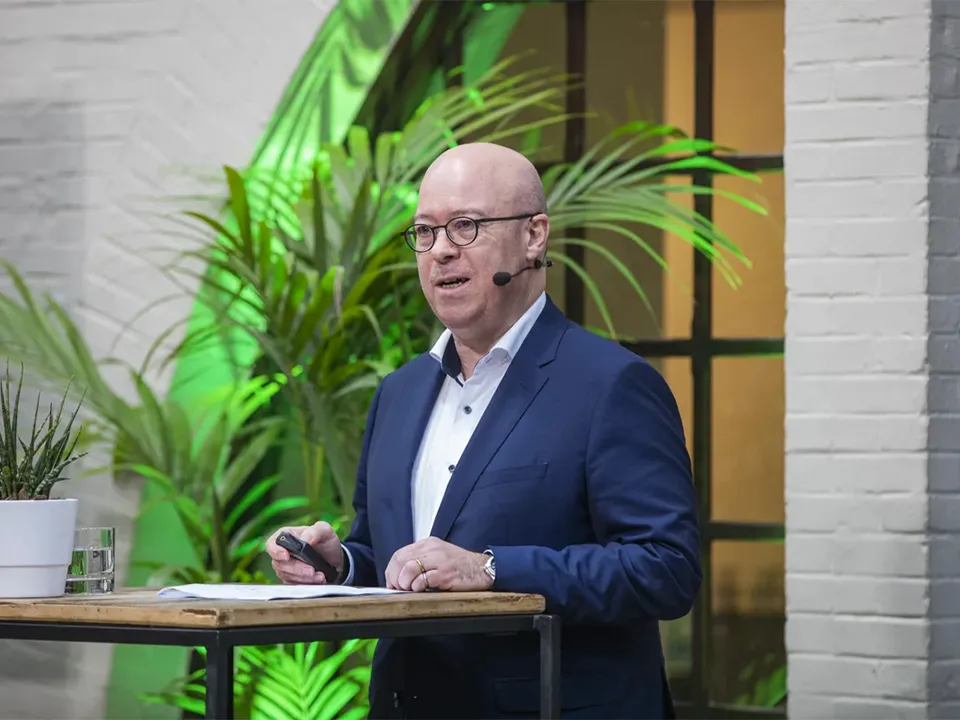
Fost Plus today announced the construction of three new recycling centres for plastic household packaging waste. These three centres in Belgium are the final link in creating a local circular packaging economy.
Following the expansion of the Blue Bag scheme and the construction of five new sorting centres, Fost Plus is now also reassuring consumers that separately collected household packaging waste is recycled close to home into secondary raw materials for new products or packaging. In total, this represents an investment of €700 million in the circular economy over the coming years.
“The expanded collection of plastic household packaging waste through the New Blue Bag has set an important process in motion,” says Patrick Laevers, Managing Director at Fost Plus. “We collect up to 90,000 tonnes more plastic household packaging each year, which is sorted by type at five high-tech sorting centres in Belgium. This meets two important requirements for developing a recycling chain: a consistent supply of quality material. Today, we are contracting three state-of-the-art recycling centres, in Beringen, Houthalen and Charleroi. This will enable us to develop four new recycling chains in Belgium, with more to come.”
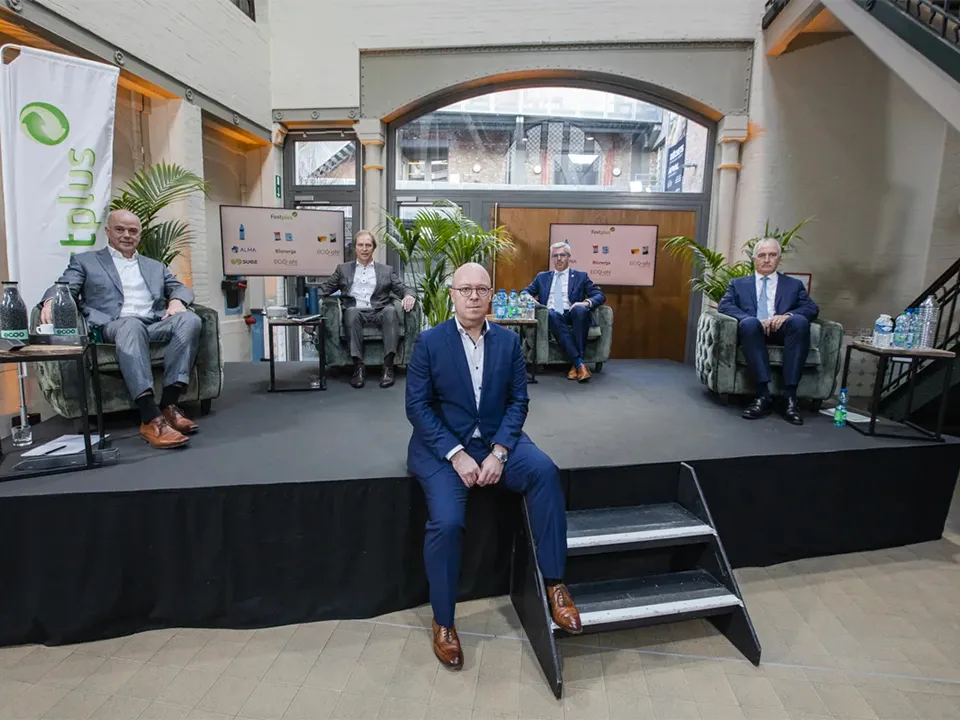
Marc Adams, Director of the Interregional Packaging Commission (IVC), adds: “We set the bar high in granting Fost Plus its accreditation. The Cooperation Agreement that establishes Belgium’s legal framework for packaging waste management goes well beyond the European directives. This ambition formed the basis for the tenders for the new recycling centres. Today, we are reaping the benefits.”
Key elements in achieving ambitious recycling targets
Belgian industry has committed to ambitious targets that go a step further than those set out in the European Circular Economy Package. In Belgium, for example, we aim to recycle 65% of plastic household packaging by 2023. We reached 46% in 2019, and 50% is within reach for 2020, a figure Europe only requires by 2025. The new recycling centres will play a key role in achieving these targets by recycling new types of plastic packaging collected through the New Blue Bag, such as pouches, films and trays. This means there is a recycling solution for any packaging that is needed. In addition, by 2025, half of PET drinks packaging on the Belgian market must be made from
r-PET. For the same period, Europe has set a target of 25%. Fost Plus is also meeting this target with the new bottle-to-bottle recycling plant for PET bottles.
“The packaging industry has taken on the challenge of recycling more and better through Fost Plus,” says Pascal Léglise, Chair of the Board of Directors at Fost Plus. “The New Blue Bag represents an additional financial commitment from Fost Plus members. The funds are being invested in sorting technology and the development of recycling chains. These three new recycling centres bring us another step closer to a recycling solution for every item of packaging placed on the Belgian market.”
Recycling close to home
“Flanders is already playing in the Champions League of the circular economy. But we are also looking ahead,” says Flemish Minister for the Environment Zuhal Demir. “With two new recycling centres in Flanders, we are taking another step towards a circular packaging economy. The new centres will also create sustainable jobs in the region. This is absolutely the direction we want to take in Flanders: keeping our own waste here and turning it into new raw materials.”
“The Walloon Government has committed to a two-pronged strategy for Wallonia based on Zero Waste and the circular economy. This puts Wallonia in a position to meet the highly ambitious targets for recycling plastic packaging waste and achieve a recycling rate of 70% by 2030. Developing this new recycling chain in Couillet, in the Charleroi region, is excellent news and will enable us to create the jobs of the future. The circular economy is central to Wallonia’s revival,” adds Walloon Minister for the Environment Céline Tellier.
PET bottle-to-bottle recycling
A consortium comprising Sources ALMA, Belgium’s market leader by volume in bottled water, and SUEZ, an expert in waste and water management, will build Belgium’s first integrated recycling plant for PET bottles. The plant will be built at the Tibi intermunicipal company’s site in Charleroi, with some funding expected to come from SRIW. It will have a capacity of 40,000 tonnes of PET per year. Using high-tech processes, PET bottles collected on the Belgian market will be transformed into high-quality recycled PET for food-grade applications. The recycled PET, or r-PET, will then be reintroduced to the Belgian market through bottled water sold under the various Sources ALMA brands and those of its partners in the retail sector.
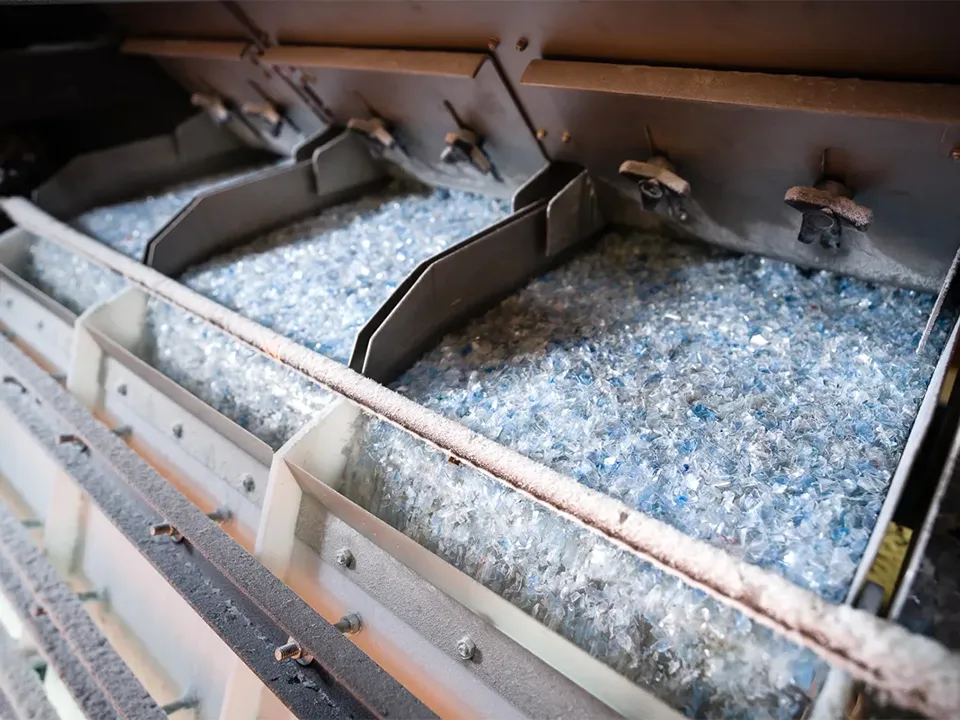
“Belgian citizens are Europe’s best at sorting waste. We are already close to the collection rate for recycling that Europe has set for 2029! It was therefore only logical to propose a truly circular concept: bottles collected from Belgian households are recycled in Belgium and turned back into bottles for water and other drinks for the domestic market. Thanks to high-tech recycling processes, we can operate in successive cycles, giving our PET bottles a new lease of life each time,” says Luc Baeyens, CEO of ALMA.
“This project is a major step forward for SUEZ. We were already active in the Belgian market through the collection and sorting of household waste, and from now on we will be responsible for recycling PET bottles together with our partner ALMA. Thanks to its central location and green processes, the new plant combines cutting-edge technology with respect for the environment,” explains Philippe Tychon, CEO of SUEZ Recycling & Recovery Belgium.
“With this new partnership, ALMA and SUEZ are helping to accelerate the use of recycled polymers in Belgium and develop a low environmental-footprint economy,” adds Eric Trodoux, COO of SUEZ R&R Belgium and CTO Northern Europe.
Film-to-film PE recycling: a recycling chain on an unprecedented scale
Under a partnership between Bionerga/Biostoom Beringen and recycling company ECO-oh! Group of Houthalen-Helchteren, PE film recycling will be developed at Bionerga’s site in Beringen. Polyethylene (PE) is the most common material used in household films. This is a completely new recycling chain on an unprecedented scale in Europe. The long-term contracts Fost Plus has signed with five new sorting centres guarantee a consistent supply of quality material, making this investment possible.
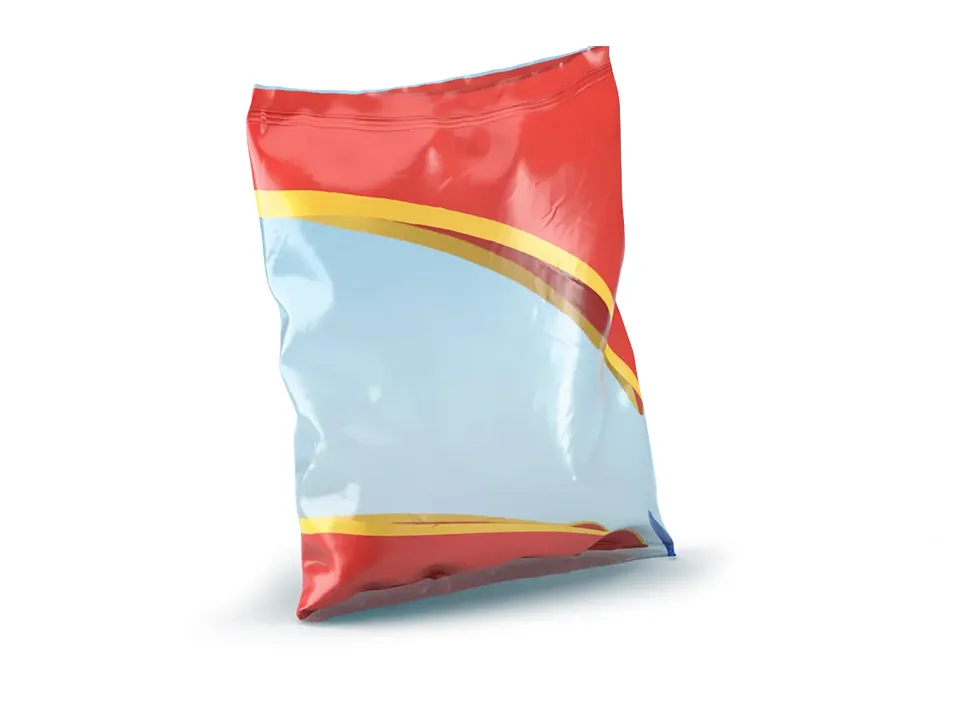
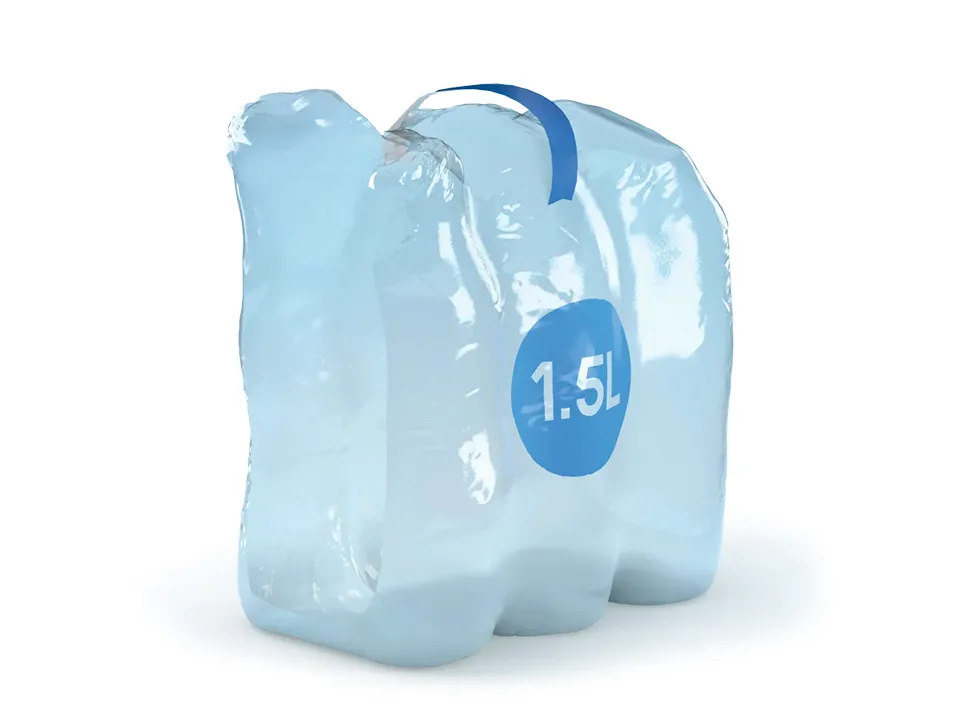
“AI and real-time monitoring of an in-line ‘film blowing’ application are creating a new standard for r-LDPE (recycled low-density PE films). The high level of purity broadens the range of applications for r-LDPE and makes it competitive with virgin plastics,” says Ludo Kelchtermans, CEO of Bionerga. “Film-to-film recycling of post-consumer PE therefore makes an important contribution to achieving plastic recycling targets.”
Mixed residual fraction completes the circular economy
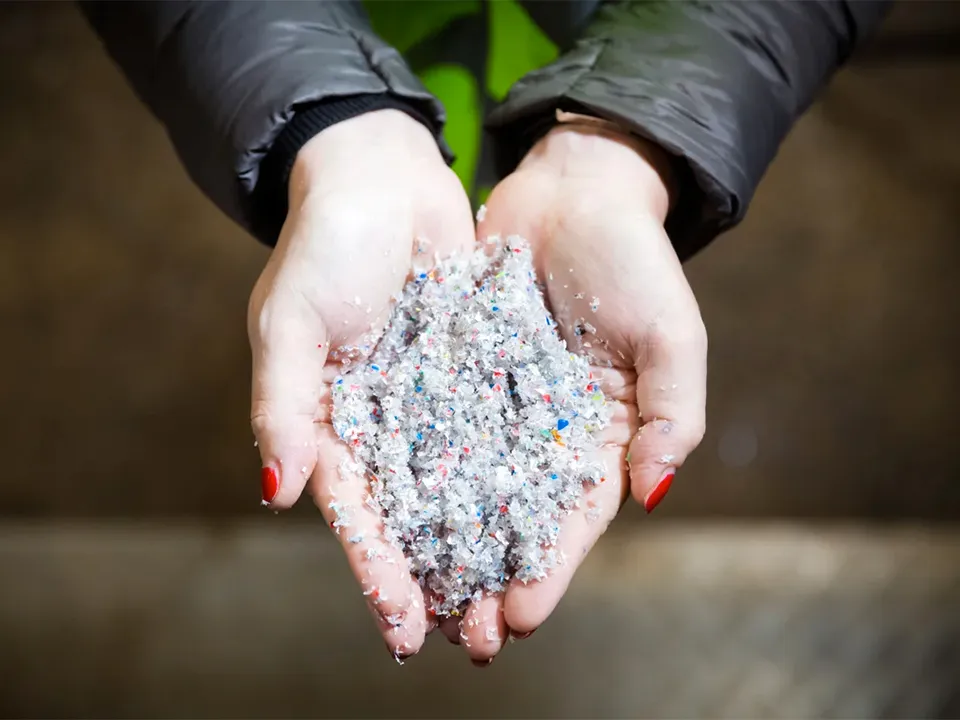
ECO-oh! Group has also secured the contract to recycle the mixed residual fraction. This completes the circular packaging economy. A residual fraction is essential to provide high-quality, sorted mono-material streams. High-grade recycling of this mixed fraction closes the loop by ensuring that materials which do not meet the stringent quality requirements for mono-material streams also have a recycling destination.
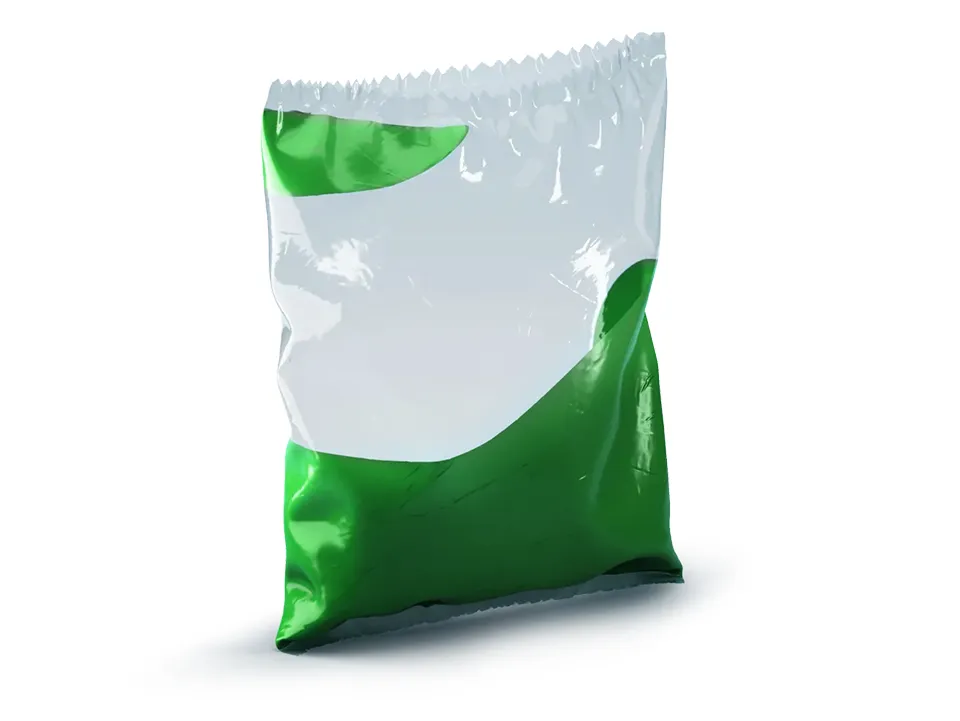
“Developing a recycling chain for mixed films and mixed polyolefins reassures citizens that 100% of the plastics they collect at home are actually recycled. That is a comforting thought. ECO-oh! Group recycles the mixed fraction into granulate or plastic pellets for a wide range of industrial applications,” adds Koen Verhaert, Managing Director of ECO-oh! Recycling.
Local employment
The availability of high-quality recyclate is not the only way in which the three new recycling centres will give the local circular economy a clear boost. By building three new recycling plants, we are bringing recycling back to Belgium from neighbouring countries. This will also create employment, with around 100 direct jobs and at least twice as many indirect jobs. The three recycling centres are expected to be operational in 2022.
Question about this story? Ask your question
Keep following this
Get an email when a new story is published. No account needed.
- ThemeMaking plastics and packaging circular
- SubjectPlastic waste







