












‘The plastics sector must scale up now to meet circularity targets’
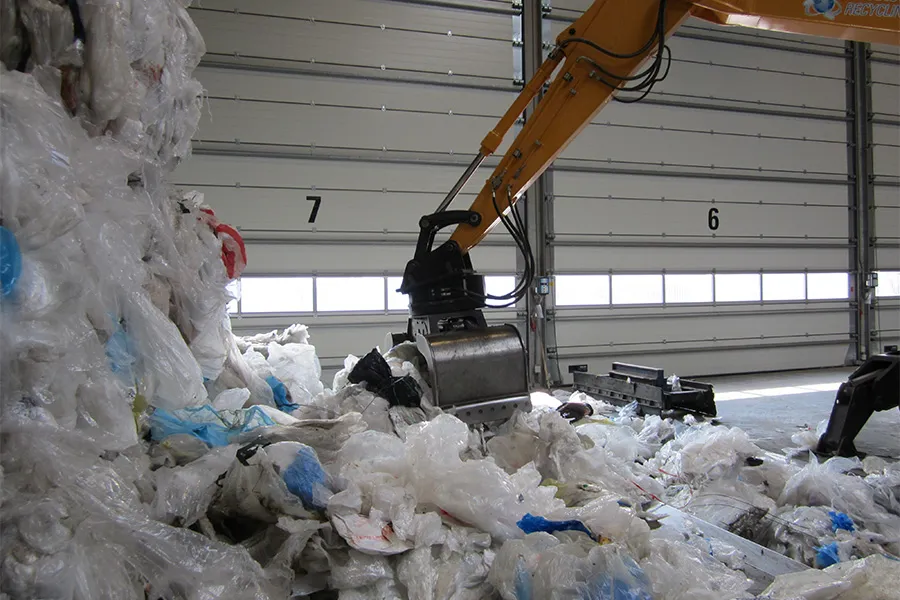
This time, we look at plastics recycling, one of the three main themes at Vakbeurs Recycling (www.vakbeursrecycling.nl). From 21 to 23 November, visitors will find more than just innovations on the exhibition floor in Gorinchem. Seminars will also see speakers explore, for example, the potential of new technologies. TNO will present a circular model based on AI to predict the best polymer application. In another session, Polestar Capital will discuss trends and development stages in chemical recycling, along with the associated financial models.
AI-based model for plastics
Tim Bulters, Business Developer Circular Plastics Modelling at TNO, explains their presentation. “Our Recycscore model is based on machine learning. It contains a large amount of data on polymer properties and the requirements for specific applications. A processor can enter its material stream, including contaminants and possible degradation, and the dataset of technologies then predicts the possible and best application(s). This is based both on the financial picture and on the application. Ultimately, they choose the best scenario for them.”
He continues: “It also works the other way round. A factory looking for a raw material can enter its specifications to identify the ideal material, then look for a supplier. A company can even diversify and start making several products from new streams. And anyone developing a new process or technology can see at a glance which costs are associated with which output.”
Different scenarios
Tim will present Recycscore at the exhibition using various examples. “There are so many different applications for plastics, from window frames to food packaging film. Recyscore contains public data as well as input data from customers. But we would like to enter more specific data too. I will also ask visitors about this. The more data there is, the more widely users can apply the model. They will then get different scenarios to help them make and substantiate their choice. The wide range of plastics applications offers opportunities for just as wide a range of recycled products, from the outer casing of a washing machine to film for food packaging and the aforementioned window frames in construction.”
Investment fund
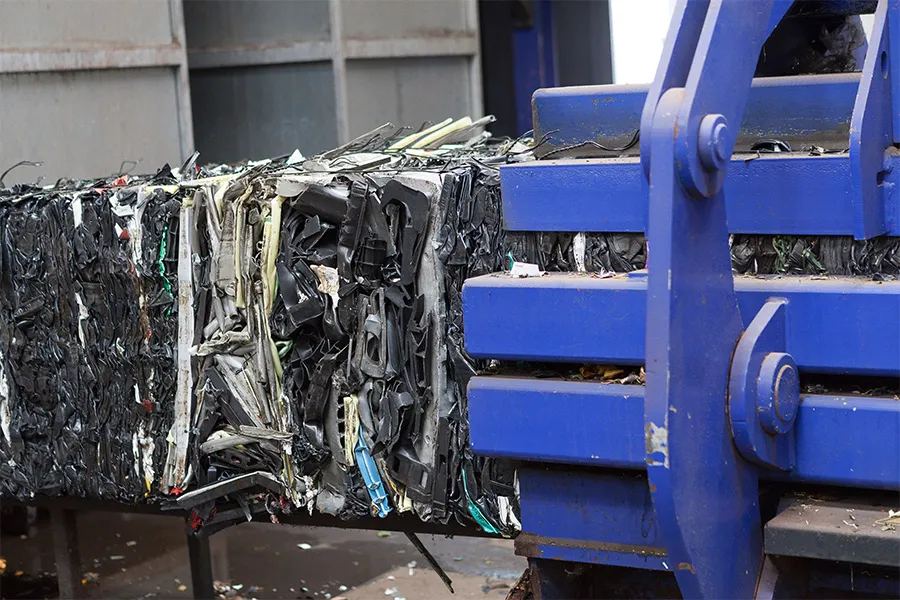
Another presentation will focus on financing models. With a fund of 210 million euros backed by institutional and impact investors, Polestar Capital is looking for groundbreaking circular technologies. Reinier van der Vusse says: “We are looking for potential game changers in plastics recycling, such as chemical recycling. This involves removing colourants, flame retardants and other additives from plastic waste at the end of its life, at molecular level. But there is also a lot happening on the bio-based front. Projects are under way to make biopolymers from organic waste or feedstocks such as sugar beet. I am continually amazed by how innovative the Netherlands is.”
He mentions various organisations with which they are currently negotiating a collaboration, and also cites the first QCP-fabriek at Chemelot as an example. They financed it around ten years ago. This processor of household plastic waste has since rolled out five plants across Europe, where it converts plastic waste into high-quality circular HDPE and PP.
Scaling up to meet targets
Van der Vusse continues: “At the exhibition, we want to share knowledge so that the plastics sector better understands how promising projects can secure financing. We will also offer guidance on which financial model suits each stage of development. Alongside financial returns, we assess whether each project delivers sufficient returns in terms of CO2 savings. Our focus is on efficiency gains and value creation.”
Van der Vusse warns that the sector must scale up now to meet circularity targets and close material loops. “That means everyone shares responsibility, including us as financiers. The challenge is that companies of different sizes all need to play their part. Start-ups and scale-ups to launch innovation successfully. Renewi’s of this world to collect and sort waste streams so they can be processed to the highest possible standard. And large multinationals such as Shell and Loyendell Basel to move away from virgin fossil-based raw materials and switch to circular feedstocks on a large scale for the production of their plastics.”
Question about this story? Ask your question
Keep following this
Get an email when a new story is published. No account needed.
- ThemeMaking plastics and packaging circular
- SubjectPlastic waste







