












Tackling plastic waste on construction sites
Text Valérie CouplezImage Denuo en essenscia
Circular working calls for collaboration
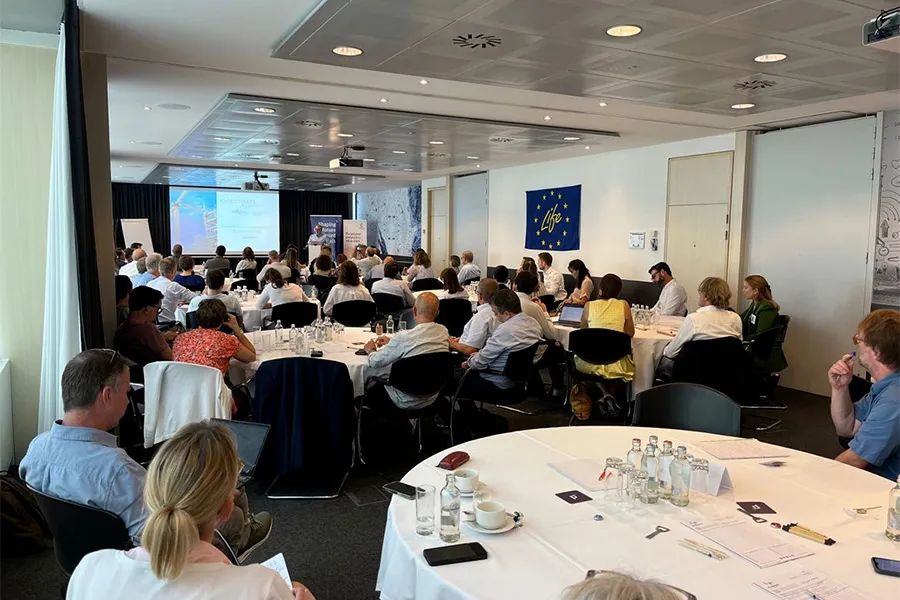
Around 60 people attended the latest edition of Plastic Matters. This time, the focus was on collecting plastic waste from demolition and construction sites. With this initiative, Denuo and essenscia aim to bring companies from both sectors together. “In a linear world, everyone does their own thing. In a circular economy, everyone needs to be in contact with one another. That’s why we’re trying to involve the entire value chain,” summed up Inge Dewitte (Denuo advisor) and Saskia Walraedt (director essenscia Polymatters).
It is no surprise that plastic waste from construction sites was the focus of this edition. “The primary focus of selective collection has been on the inert fraction. But there is also significant untapped potential in plastics. Various initiatives and pilot projects have already given us valuable insights. That makes this an excellent starting point for Plastic Matters,” says Walraedt. It is difficult to estimate exactly how much plastic waste is currently generated on construction sites. “For packaging, we know what comes onto the market and what becomes available again, because it has a short lifespan. It is harder to track other plastic materials, such as construction products, which generally have a much longer lifespan,” Dewitte admits. “That is something we are also grappling with at Denuo.”

Greater streamlining
That is why Dewitte also sees value in the big-picture view that Plastic Matters aims to provide. “Plastic is not an easy waste stream to handle, because it is often generated in highly fragmented quantities. Each stream represents only a small volume, especially on small sites. If we really want to close the loop, we need to streamline things to make the process workable and economically viable.” essenscia also advocates a joint approach. Walraedt says: “It is about finding synergies. Which plastics can we collect together? And which plastics may not need to be sorted at source? That is why we are calling for a coordinated approach that everyone can get involved in. It will certainly not be easy for small contractors to take steps in this area. The willingness is certainly there, and you can feel a green breeze blowing through the sector. But cost is also a factor. Incentives will be needed to bring about change on the ground and make implementation practical.”
The chicken-and-egg dilemma
Ultimately, that change will start with producers. “They also want to become more sustainable and are looking for ways to incorporate recycled materials into new products, for example. But then, of course, we face the chicken-and-egg dilemma. A sufficient and steady supply of recyclate is needed for that to happen. But without a market for it, recycling companies are reluctant to invest in collecting these small volumes from sites everywhere. The government also has a role to play in amending product standards so that the use of quality recyclate is legally permitted,” Walraedt explains. Ecodesign will be an important catalyst in this process. “Today, whether plastic waste from a construction site can be recycled depends very much on the product. PVC, polyethylene and polypropylene are already well managed. Chemical recycling may be a more suitable option for insulation materials. Here too, value-chain collaboration will need to develop,” Dewitte adds.
Rethinking products
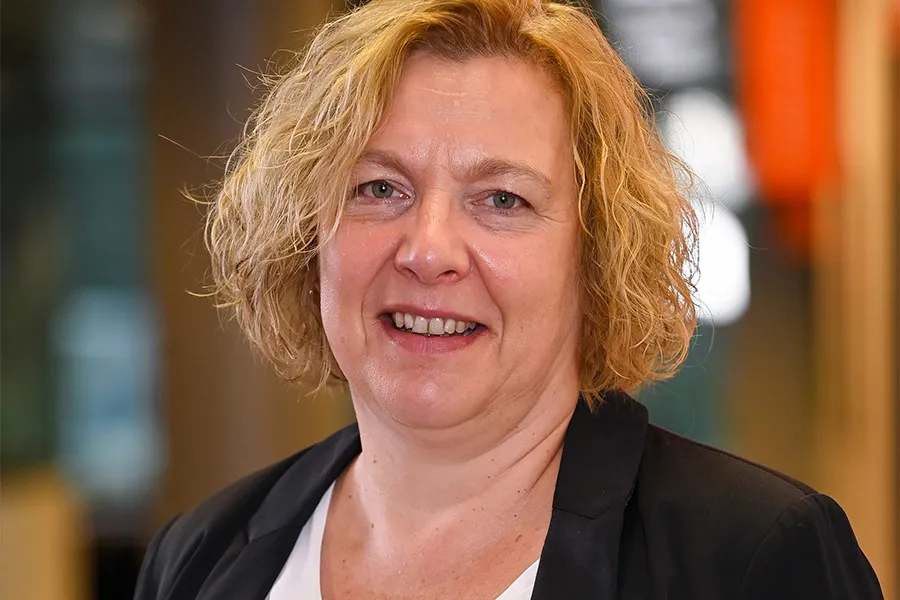
Dewitte gives the example of drainage pipes. Traditionally made from PVC, they are now increasingly made from PP, but the two are visually indistinguishable. “Manufacturers are not sufficiently aware of the impact this has further down the value chain. If, where possible, we could move towards using a single type of plastic for each application, that would help enormously. Or move from multilayers to single-layer materials. Or, when materials are combined, do away with screws and bolts to make dismantling easier later and therefore improve recycling. But always while respecting functionality and construction requirements.”
The tide is turning
There is still a long way to go before we see a 100% circular construction site. “But the tide is turning,” both women say. “Rome was not built in a day. Many great initiatives have followed meetings at Plastic Matters events. The more we sit down together, the better we will understand one another’s challenges. It is incredibly exciting to be a small link in this chain and follow the transition up close.”
Question about this story? Ask your question
Keep following this
Get an email when a new story is published. No account needed.
- ThemeMaking plastics and packaging circular
- SubjectPlastic waste







