












‘Sometimes plastic is better off being incinerated’
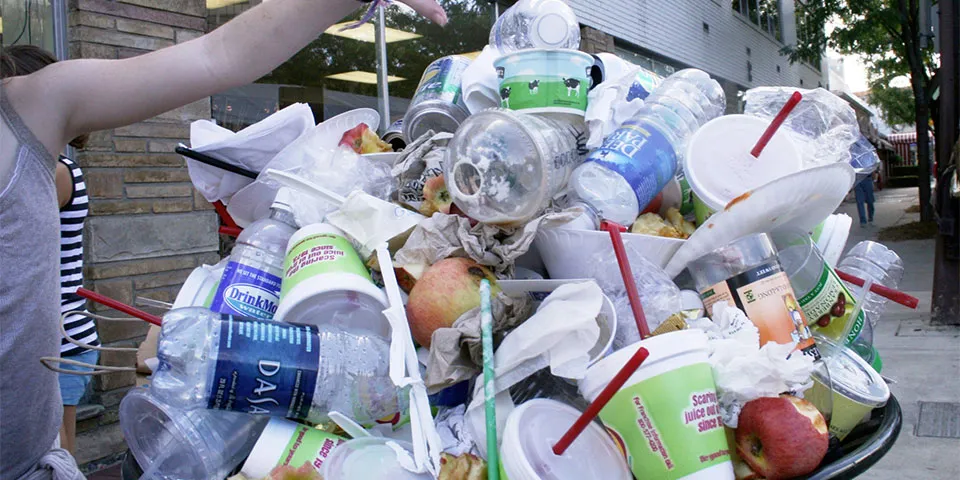
Last summer, Raymond Gradus, Professor of Economics at Vrije Universiteit Amsterdam, stirred up controversy in NRC. ‘Recycling plastic? Sometimes incineration is the better solution’, he wrote. His view runs counter to pretty much everything the sector has stood for over the past few decades. Or does he have a point?
Isn’t plastic recycling a success?
“It is true that in the Netherlands we are managing to sort ever larger quantities of plastic waste. But we can’t find buyers for it. We are now one of the world’s largest exporters of recycled plastic waste. But since China and Malaysia started sending our waste back, this lucrative trade has been curtailed. We are trying to turn it into useful products here in Europe. But now that the oil price has plummeted due to coronavirus, and with it the value of plastic granulate, only half of it is being sold and ever larger quantities of granulate are being stockpiled.”
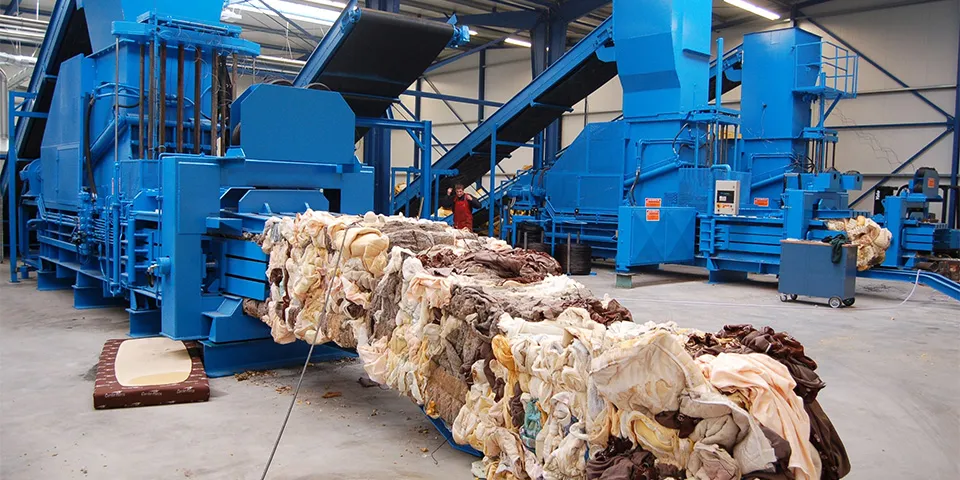
Shouldn’t the government step in and make the use of recycled plastic compulsory?
“What public interest would that serve? Incineration seems to be regarded as a cardinal sin these days, but I think there are good reasons to question that view. As we recycle more and more plastic in the Netherlands, the quality of the plastic waste gets worse and worse. And most plastic, with PET bottles the exception, is not easy to recycle at all. Think of all kinds of film. It is often contaminated and difficult to reuse. This stuff is now being shipped around the world in huge vessels or stockpiled until the oil price picks up again. But I think that is wishful thinking.”
What do you propose, then?
“These low-grade types of plastic would be much better incinerated in efficient incinerators in the Netherlands or Scandinavia. That may seem paradoxical, but it isn’t. The CPB already stated in its report ‘The Circular Economy’ that incinerating plastic produces barely more CO2 emissions than recycling it. We are talking about just 0.1 to 0.15 per cent of total CO2 emissions. Eating meat and flying are many times more polluting.”
Every little helps, right?
“That’s right. But plastic recycling is also relatively expensive. Municipalities receive a payment from the packaging industry to set up a collection infrastructure for plastic in residents’ homes. Costly recycling centres are being built, and two-thirds of all municipalities collect plastic waste from door to door once a month. The recycling industry also receives substantial payments. The cost-effectiveness of plastics recycling is extremely low. Saving one tonne of CO2 by recycling plastics costs 178 euros. Alternatives such as wind power cost just 30 euros. Capturing CO2 and then storing it in depleted gas fields costs 80 euros. So if we invested the same amount of money we currently spend on plastic recycling in wind power, we would save six times as much CO2. And even more at today’s low oil price.”
Is incineration the only solution, then?
“No, only partly. I believe post-sorting plastic waste is also worth considering. The technology is available, and it is much cheaper than separate collection by municipalities. First, mechanical post-sorting improves the quality of recyclate because only the good-quality plastic is extracted. That also makes it more valuable. And there is no need to separate and collect the poor-quality material first, only to incinerate it anyway. So I am calling for further improvements to post-sorting technology. If you do this by type of plastic (PET, PE, PP), it leaves hardly any unwanted plastics mixed in. This increases the value and improves reuse.”
Question about this story? Ask your question
Keep following this
Get an email when a new story is published. No account needed.
- ThemeMaking plastics and packaging circular
- SubjectPlastic waste







