












Plastics recycling close to home
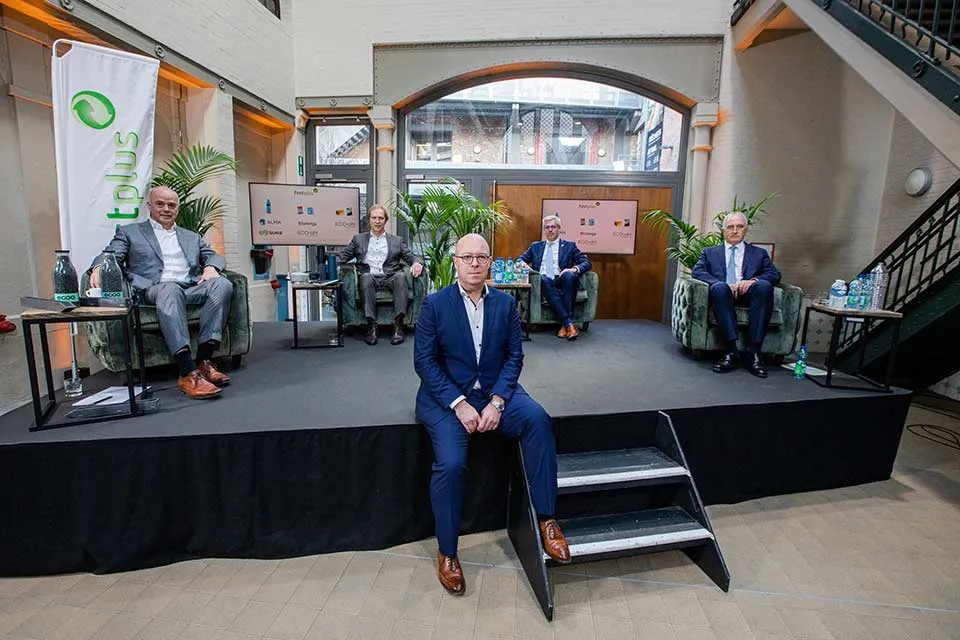
Three new recycling centres in Belgium will form the final link in creating a local circular packaging industry.
Household packaging waste collected through the new blue bag will therefore be recycled close to home into secondary raw materials and packaging. In total, this represents an investment of €700 million in the circular economy over the coming years. The new recycling centres will be located in Beringen (Bionerga and ECO-oh!), Couillet (Alma and SUEZ) and Houthalen-Helchteren (ECO-oh!).
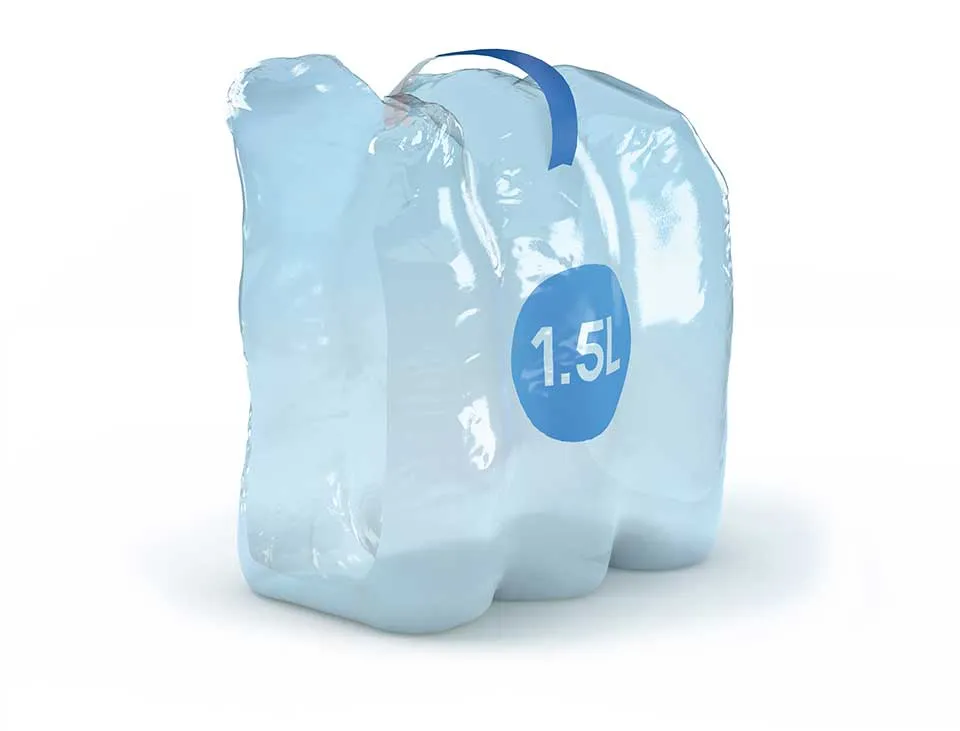
“The packaging industry has taken on the challenge of recycling more and better through Fost Plus,” says Pascal Léglise, chair of the Fost Plus Board of Directors. “The new blue bag represents an additional financial commitment from Fost Plus members. This money has been invested in sorting technology and in building recycling chains. With these three new recycling centres, we are another step closer to a recycling solution for every item of packaging placed on the Belgian market.” We are pleased to introduce them below.
PE film-to-film: a recycling chain on an unprecedented scale
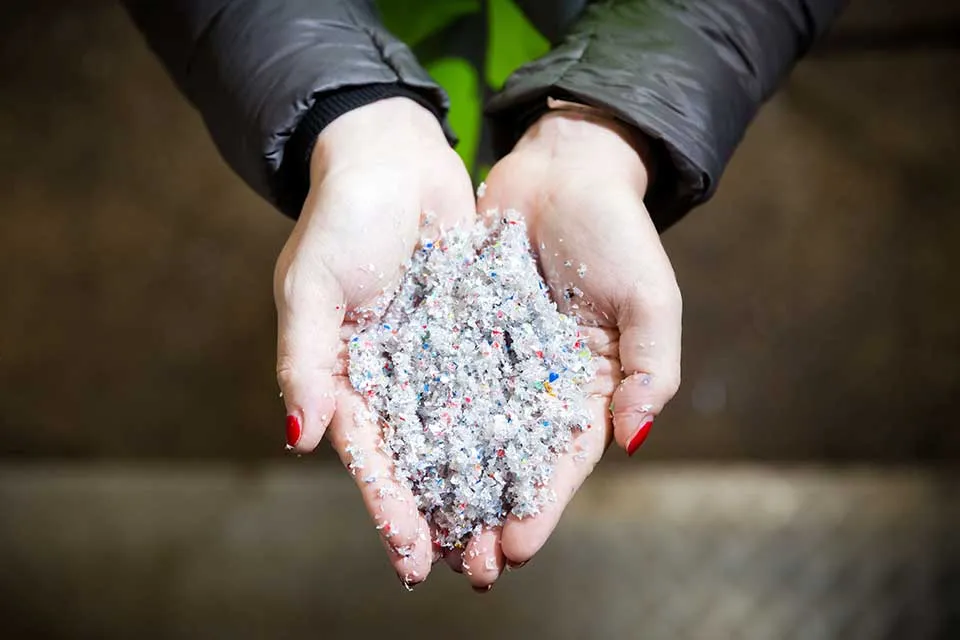
Bionerga/Biostoom Beringen and recycling company ECO-oh! Group, based in Houthalen-Helchteren, are working together to develop PE film recycling at Bionerga’s site in Beringen. Polyethylene (PE) is the most common material in household films. This is an entirely new recycling chain on an unprecedented scale in Europe. “Thanks to AI and real-time monitoring of an in-line film-blowing application, a new standard is being set for r-LDPE (recycled low-density PE films). The high level of purity broadens the range of applications for r-LDPE and makes it competitive with virgin plastics,” says Ludo Kelchtermans, CEO of Bionerga. “Film-to-film recycling of post-consumer PE thus makes a significant contribution to achieving the plastics recycling targets.”
PET bottle-to-bottle recycling
A consortium comprising Sources ALMA, Belgium’s market leader by volume in bottled water, and SUEZ, an expert in waste and water management, will build Belgium’s first integrated PET bottle recycling plant. It will be built at the Tibi intermunicipal company’s site in Charleroi and is expected to be partly financed with support from SRIW. The plant will have an annual capacity of 40,000 tonnes of PET. Using high-tech processes, PET bottles collected on the Belgian market will be turned into high-quality recycled PET for food-grade applications. The recycled PET, or r-PET, will then be reintroduced to the Belgian market through the bottled water produced under the various Sources ALMA brands and those of its partners in the distribution sector. “Bottles collected from Belgian households are recycled in Belgium to produce new bottles for water and other drinks for the domestic market! Thanks to high-tech recycling processes, we can work in successive cycles, giving our PET bottles a new lease of life each time,” says Luc Baeyens, CEO of ALMA. “Thanks to its central location and green processes, the new plant combines cutting-edge technology with respect for the environment,” explains Philippe Tychon, CEO of SUEZ Recycling & Recovery Belgium.
Mixed residual fraction completes the circular economy
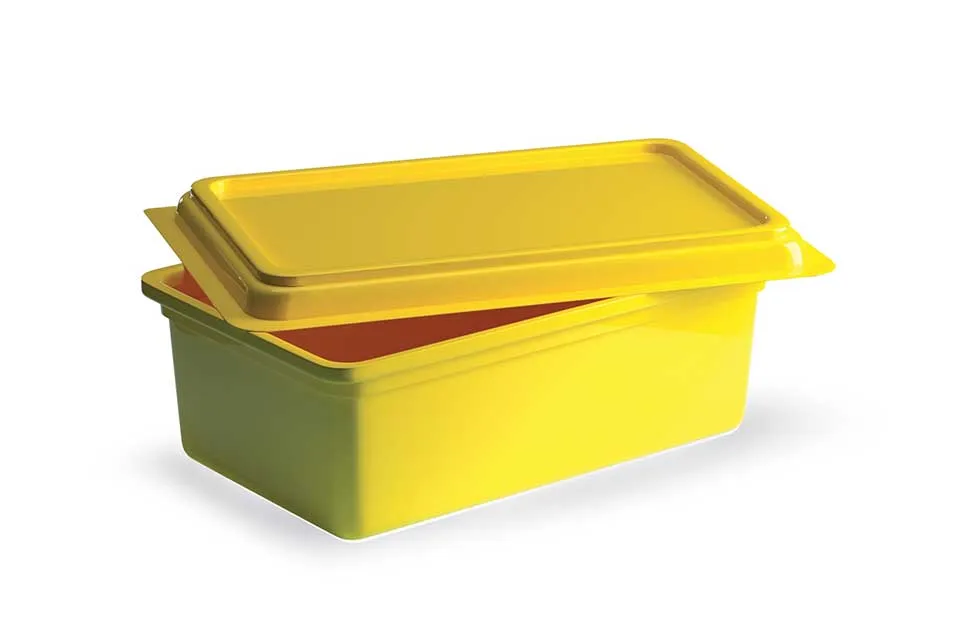
ECO-oh! Group has also won the contract to recycle the mixed residual fraction. This forms the final link in the circular packaging economy. A residual fraction is essential to provide high-quality, sorted mono-material streams. High-grade recycling of this mixed fraction completes the circle, as it also gives materials that do not meet the stringent quality requirements for mono-material streams a recycling route. “Building a recycling chain for mixed films and mixed polyolefins guarantees citizens that 100% of the plastics they collect at home will actually be recycled, which is reassuring. ECO-oh! Group recycles the mixed fraction into granulate or plastic pellets for a wide range of industrial applications,” adds Koen Verhaert, managing director of ECO-oh! Recycling.
Question about this story? Ask your question
Keep following this
Get an email when a new story is published. No account needed.
- ThemeMaking plastics and packaging circular
- SubjectPlastic waste







