












Plastics from local waste streams
Text Valérie CouplezImage B4Plastics
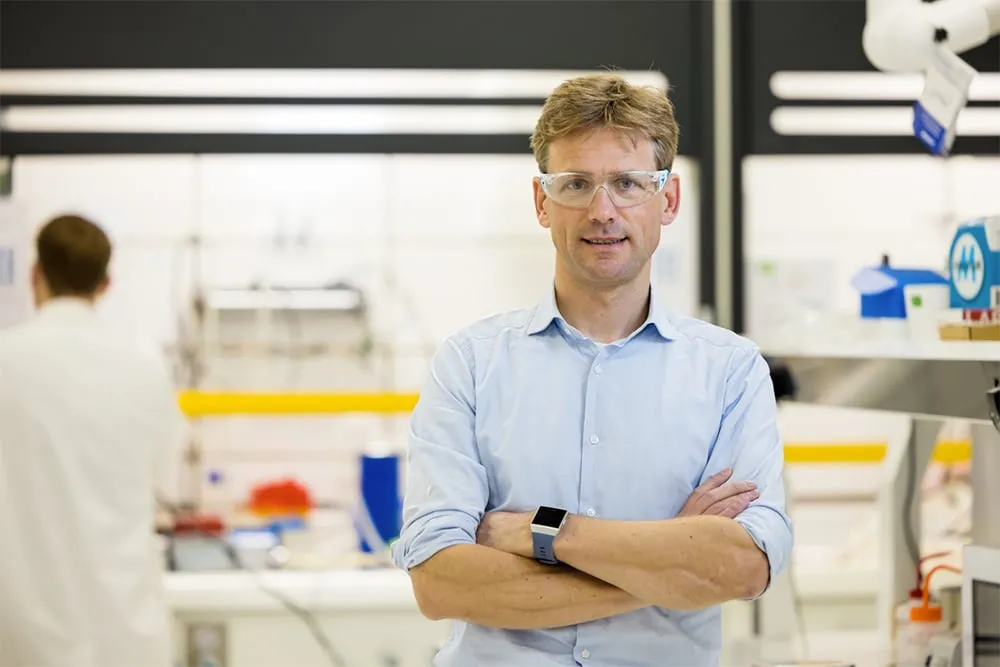
They call themselves plastics architects. Just as a traditional architect builds your dream home, the team at B4Plastics develops plastics tailored to your application, with the planet in mind. That is why their raw materials consist as much as possible of local waste streams. “We need to give the bioeconomy every opportunity here, rather than thinking the Far East will keep supplying us,” says managing director Stefan De Wildeman.
When we first interviewed B4Plastics in RecyclePro seven years ago, the company was working hard to produce so-called eco-plastics: plastics made from locally sourced, renewable or biodegradable materials. Back then, the raw material was sugar beet waste. Today, the company has explored a range of different streams. It remains a challenging market, however. “Everyone wants bio-based products, but their wallets don’t always follow. That’s the biggest obstacle on our path to sustainability. We see companies taking many small steps in the right direction, but also plenty of mouse droppings,” De Wildeman jokes.
Pioneering role
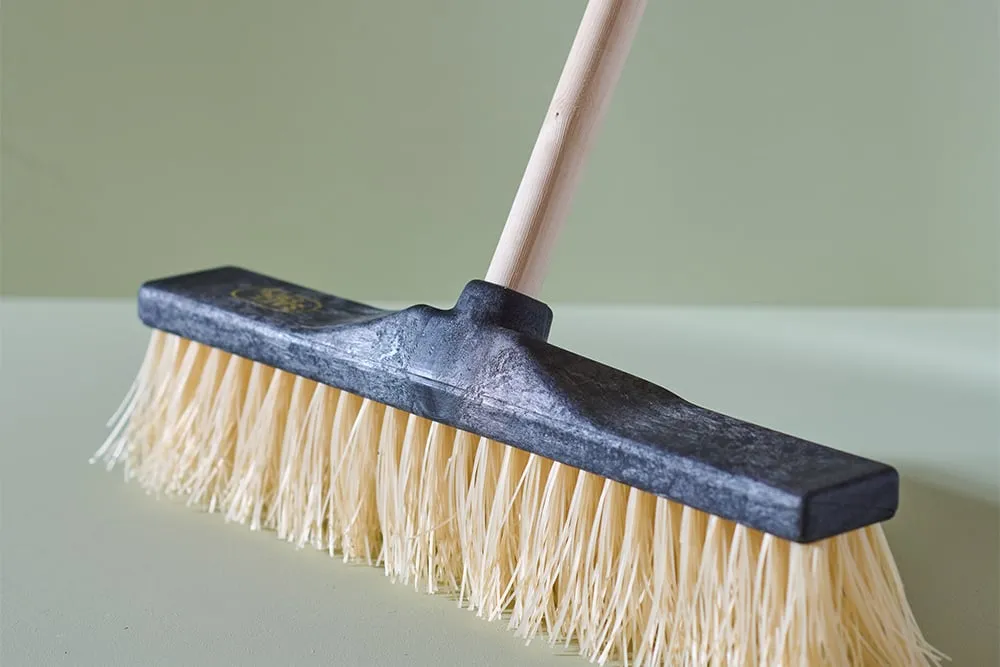
Even so, he remains convinced that they have set out on the right path. VLAIO agreed, recognising B4Plastics in the ecology category at the first VLAIO awards ceremony. “By persevering and investing in knowledge and expertise, we have now developed the world’s strongest biodegradable plastic. This can make a real difference in applications that are particularly prone to wear and tear. Take a scrubbing brush, for example. Its bristles will wear down into microplastics that sooner or later end up on our plates. We need to develop sustainable alternatives for anything that can be left behind in nature,” De Wildeman says with conviction.
Bioeconomy crucial for jobs and prosperity
B4Plastics is proving that it can be done, not just in theory but in practice too. “Our oldest projects are now six years old and have resulted in mature products. The problem is that they have little visibility. That is why we are now trying to get our brand name onto the packaging: ‘B4Plastics inside’, a bit like the chips in our computers.” Negotiations and the first orders with a number of major brands are under way. De Wildeman hopes this will put the bioeconomy on the map. “There are plenty of jobs to be created in Europe if we dare to invest in this. If we don’t, other parts of the world will take over this new economy, and with it our prosperity,” he warns.
Building its own production facility
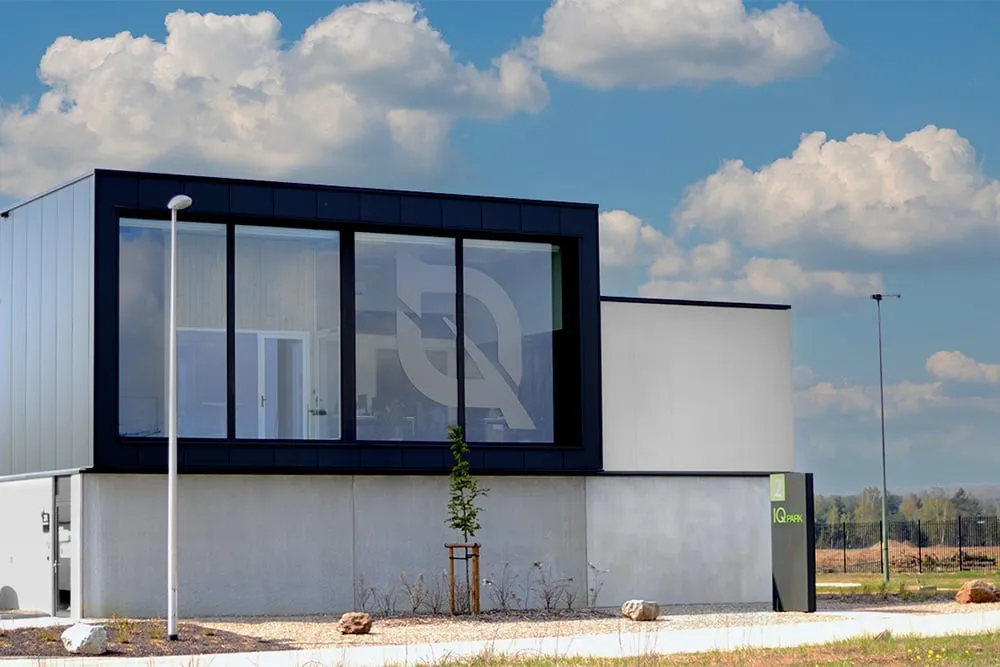
B4Plastics is leading by example. The company is planning to build a demo production plant. “The aim is to build a flexible production facility for developing unique biomaterials, from the first tonne batches right through to the point where they are rolling out in several lorry loads a week. The whole world is looking for solutions to become more sustainable. From Dilsen-Stokkem, we will show that it can be done, from development through to industrial scale. Unfortunately, though, we can’t move faster than the market grows. So we will scale back construction until we have sufficient market commitment for the next steps. We hope to get started next year and be running at full capacity well before the end of this decade. Initially, that should create an additional 75 to 100 jobs.”
Possible anywhere in the world
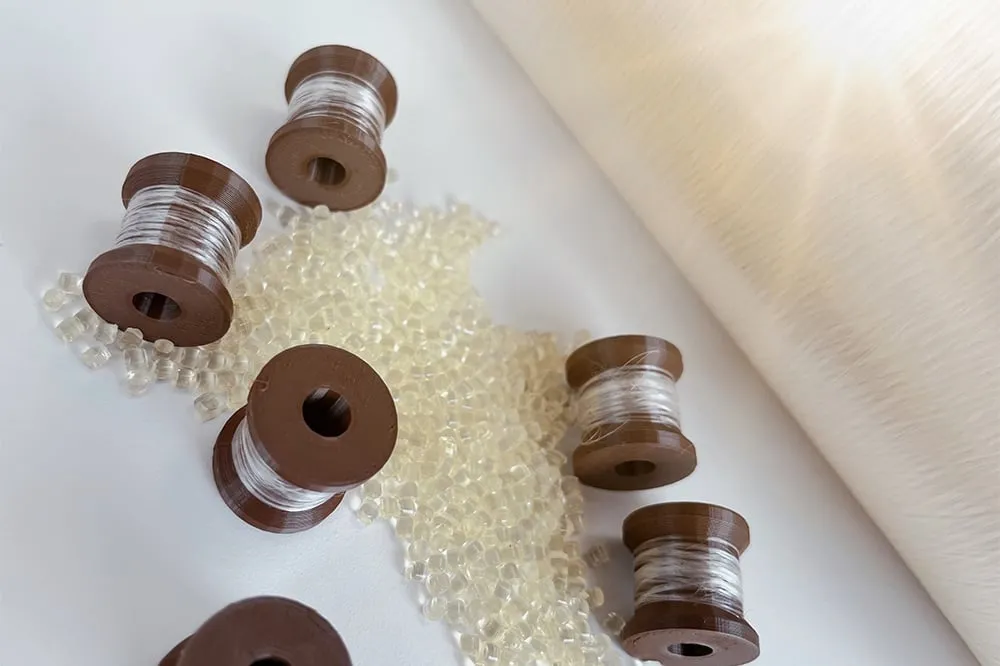
The fact that it can be done from Dilsen-Stokkem demonstrates the potential of the bioeconomy. “There is no reason not to do it there. Just as the sun shines on every square metre of the Earth, you can set up a small manufacturing operation anywhere by working with local waste streams. We have chosen the less obvious path, but we have set a flywheel in motion that serves the highest form of green innovation: developing new value chains (scope 3), in our case by developing and marketing new, more local biomaterials. In time, these will complement more conventional ways of going green, such as solar panels or electric cars. VLAIO’s recognition gives us another important foothold. It also reflects well on the whole team, who push boundaries every day to continue the research. The more of our products that cross the finish line, the better positioned we will be, and by extension Flanders and Europe as a whole, in the new bioeconomy,” De Wildeman concludes.
Question about this story? Ask your question
Keep following this
Get an email when a new story is published. No account needed.
- ThemeMaking plastics and packaging circular
- SubjectPlastic waste







