












NL | First results of Plastic Pact disappointing
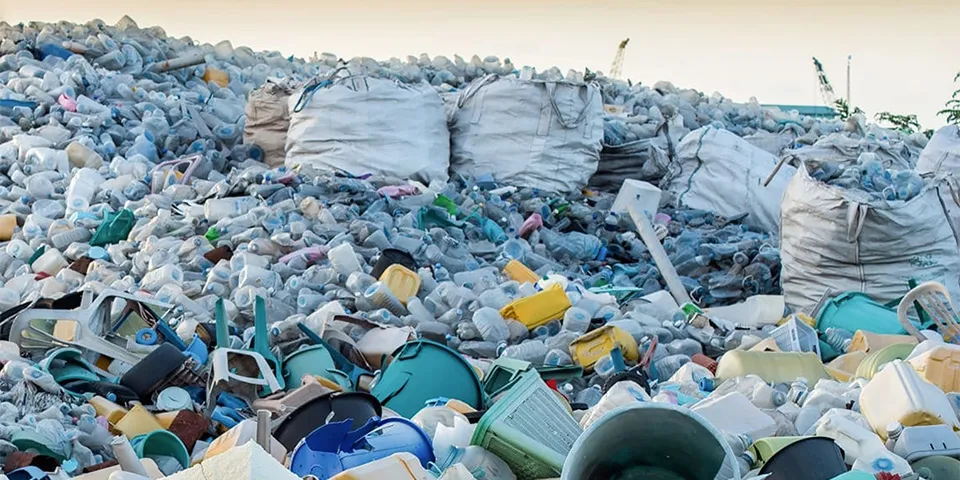
42 per cent of participants submit data
A significant proportion of companies taking part in the Plastic Pact are still not providing enough information on plastic production and use. This is according to an initial assessment by the National Institute for Public Health and the Environment (RIVM). Just 42 per cent of participating organisations submitted data.
The Plastic Pact was launched in the Netherlands in February 2019. It is a first step towards making single-use plastic products and packaging more sustainable and using them more sustainably. The Pact has now been signed by 97 parties, including manufacturers, retailers and the Ministry of Infrastructure and Water Management.
The Pact sets measurable targets, and it was agreed that progress would be monitored. The RIVM (National Institute for Public Health and the Environment) has now, 12 months after the Pact was launched, received data from participating organisations for a baseline assessment of plastic use in 2017 and 2018. The baseline assessment covers the Pact’s four targets: by 2025, plastic products and packaging should be designed to be easier to recycle; we should use less plastic, including by reusing it more; more should be recycled; and more recycled plastic should be used in new products.
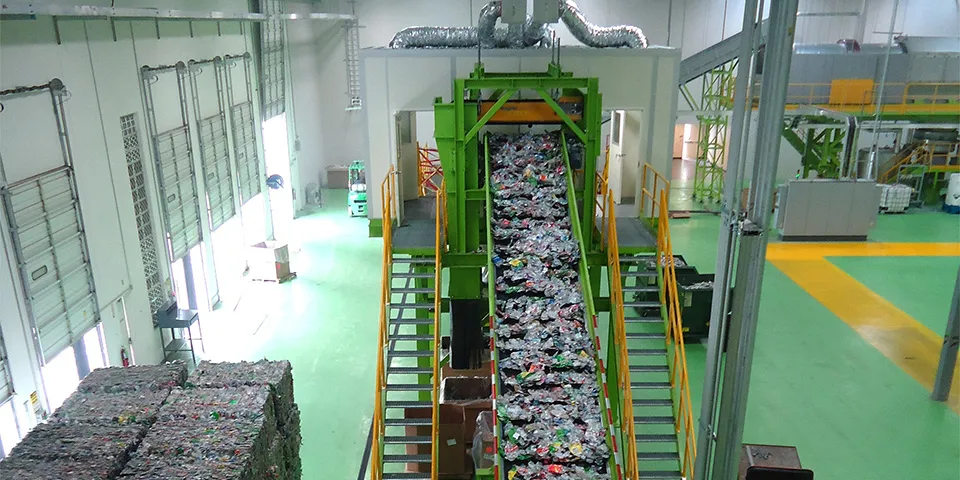
Less than half of participants have submitted data so far.
A good start
The RIVM describes this as “a good start”, but says it is important that more parties submit data in the coming years. The institute needs this information to check whether companies are meeting the terms of the pact agreed between the government and businesses last year.
Under the Plastic Pact, plastic use must be 20 per cent lower in 2025 than in 2017. At least 70 per cent of all single-use plastic products and packaging must also be recycled without loss of quality. In addition, plastic products and packaging must be made from fully recyclable plastic.
The RIVM has now received data from participating organisations for a baseline assessment of plastic use in 2017 and 2018. “Most of the data received relates to recyclability and the use of recycled plastics,” says Susanne Waaijers of the RIVM.
Reuse and sorting
Less information has been received on reuse and sorting. There is also little information available on the quantity of hazardous substances in plastic, such as Substances of Very High Concern (ZZS, substances of very high concern). Monitoring has got off to a good start, but it is important that more parties submit data in the coming years. Only then will it be possible to draw firm conclusions about progress under the Plastic Pact.
The RIVM is understanding, however. “It is also very complicated and means extra work for companies,” says Waaijers. “A supermarket, for example, needs to know exactly what is in its product range, which types of plastic have been used and how waste is processed. It is extremely ambitious. The companies that have submitted information are really the frontrunners.”
Almost 100 food producers, supermarket chains, packaging companies, caterers and other businesses have signed the Plastic Pact, but less than half have submitted data so far. Companies are not legally required to provide the information, but by signing the Pact, they have committed to working towards its targets in the coming years.
A learning process
The RIVM says: “Setting up the monitoring system is a learning process, with improvements made every year. Not all companies were able to provide data for 2017 and 2018. A number of parties have said they will invest so that they can do so next year.”
Question about this story? Ask your question
Keep following this
Get an email when a new story is published. No account needed.
- ThemeMaking plastics and packaging circular
- SubjectPlastic waste







