












Law firm takes an integrated approach to the sector
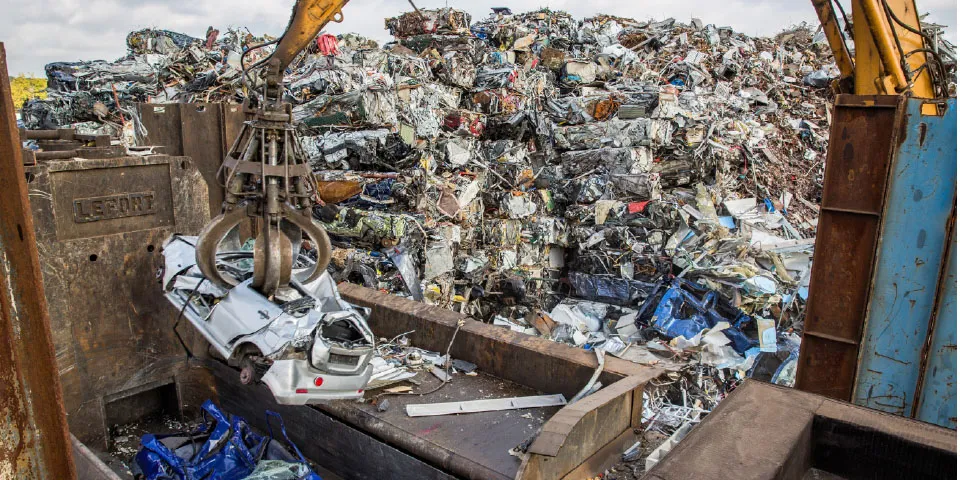
‘We need to move away from the idea that the waste and recycling sector is dirty and dangerous’
With around 40 lawyers, Van Iersel Luchtman Advocaten is one of the larger independent law firms in the south of the Netherlands. Its offices in Den Bosch and Breda also serve clients north of the rivers. In addition to expertise across a dozen areas of law, the firm specialises in several specific sectors, including waste and recycling.
In fact, Van Iersel Luchtman Advocaten even has a dedicated Waste & Recycling sector team, bringing together lawyers from different practice areas. One of them is Wilbert van Eijk, chair of the sector team. “We work almost exclusively for waste and recycling companies, which allows us to tailor our legal services to the issues facing the sector. Our specialist knowledge gives us a significant competitive edge.”
The Waste & Recycling sector team focuses mainly on environmental permits, building permits, water permits, zoning plans, questions about the sale of recycled products, real estate, contracts and procurement. “We also advise on intellectual property when companies bring new products made from recycled materials to market. And we support companies when the authorities come calling to take action against them for allegedly breaching one of the many regulations,” says Van Eijk. “We have extensive experience in environmental and health and safety criminal law. The latter includes workplace accidents that require the involvement of the Dutch Labour Inspectorate (Inspectie SZW).”
Environment and Planning Act
Asked which developments business owners should be wary of in the coming period, Van Eijk is brief: “The new Environment and Planning Act, which comes into force on 1 January 2022. It will bring about major changes in environmental and planning law. Companies really need to start preparing for it.”
Van Eijk is not sure, however, whether the Environment and Planning Act will achieve its intended aim of reducing the regulatory burden on businesses. “On paper, it is a great principle, but only in practice will we find out whether it achieves that aim. For now, it seems to be making things even more complex.”
He also warns about workplace safety. The Dutch Labour Inspectorate carries out strict inspections and will continue to do so. “Another ongoing question is: ‘When does my processed product cease to be waste?’ We see a lot of debate about when a recycled product is no longer considered waste. There are many cases where a company says, ‘this is a new product’, while the authorities insist that the company is still selling waste. This shows that although the government has committed to sustainability and innovation, the legal reality is more stubborn. Legislation is clearly lagging behind the drive for innovation and sustainability among recycling companies. That remains a challenge.”
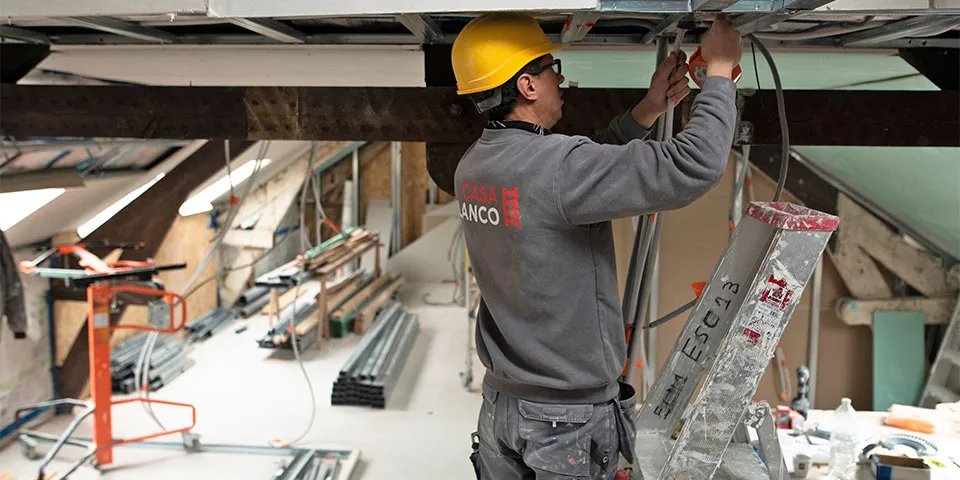
Van Eijk can also point to examples of legislation failing to keep pace: “Take the use of fly ash in concrete, glass as a foundation beneath roads on soft ground, or certain processed waste streams as fertiliser. Innovation is moving faster than the authorities can keep up.”
Tomorrow’s raw materials
Van Eijk sees the sector as a special one, particularly in light of the government’s sustainability and innovation agenda. “Everyone talks about the circular economy. Yesterday’s waste must become tomorrow’s raw material. That means the sector also has a pioneering role to play in meeting climate and sustainability targets. We can leave behind the outdated image of the sector as dirty and dangerous. Waste processors are helping to build our future.”
From a legal perspective, Van Eijk sees a number of pitfalls ahead. “If we want to turn waste into raw materials, it is particularly important to make room for this in the regulations. We desperately need these companies to replace our scarce raw materials and help keep the world liveable for future generations.”
Question about this story? Ask your question
Keep following this
Get an email when a new story is published. No account needed.
- SubjectPlastic waste







