












Law firm takes an integrated approach to the sector
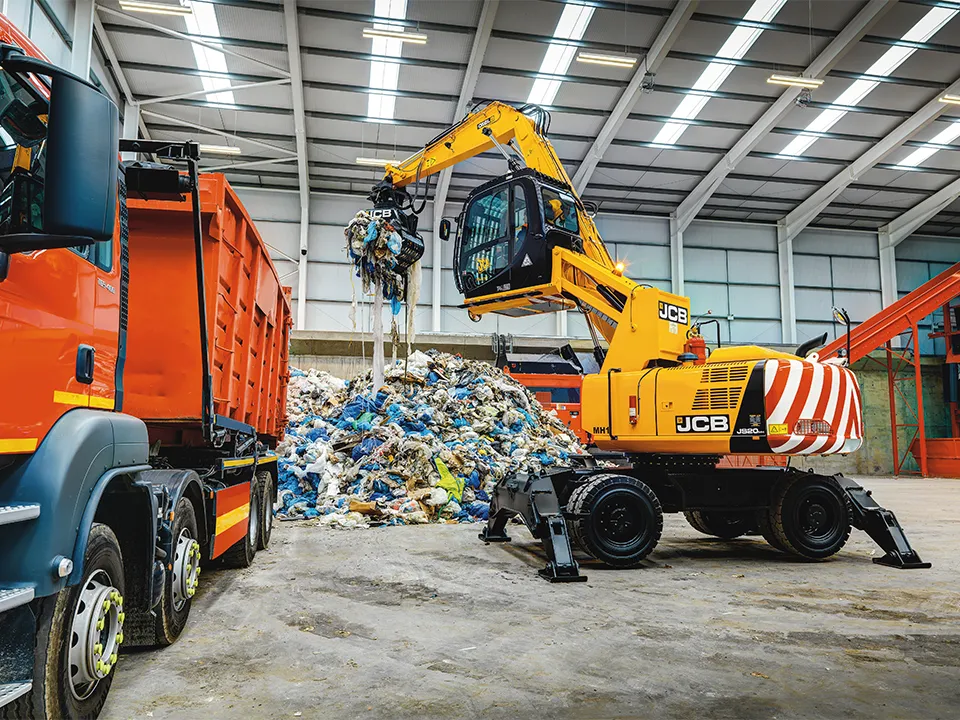
‘We need to move away from the idea that the waste and recycling sector is dirty and dangerous’
With around 40 lawyers, Van Iersel Luchtman Advocaten is one of the larger independent law firms in the south of the Netherlands. Its offices in Den Bosch and Breda also serve clients north of the rivers. Alongside expertise in a dozen areas of law, the firm specialises in several specific sectors, including waste and recycling.
In fact, Van Iersel Luchtman Advocaten even has a dedicated Waste & Recycling sector team, bringing together lawyers from a range of disciplines. One of them is Wilbert van Eijk, chair of the sector team. “We work almost exclusively for waste and recycling companies, which means we can tailor our legal services to the issues facing the sector. This gives us a significant competitive advantage because we have specialist knowledge.”
The Waste & Recycling sector team focuses mainly on environmental permits, building permits, water permits, zoning plans, questions about the sale of recycled products, property, contracts and tendering. “We also advise on intellectual property when companies bring new products made from recycled material to market. And we support companies when the government comes calling to take action against them for allegedly breaching one of the many rules,” says Van Eijk. “We have extensive experience in environmental criminal law and health and safety criminal law. The latter includes workplace accidents that require the involvement of the Netherlands Labour Authority (Inspectie SZW).”
Environment and Planning Act
Asked about developments business owners should be wary of in the coming period, Van Eijk is brief: “The new Environment and Planning Act, which comes into force on 1 January 2022. It will bring about major changes in environmental and planning law. Companies really need to start preparing for it.”
Van Eijk is not convinced that the Environment and Planning Act will achieve its intended aim of reducing the regulatory burden on businesses. “On paper, it is a wonderful idea, but only time will tell whether it delivers. For now, it looks as though things are only going to get more complicated.”
He also warns about workplace safety. The Netherlands Labour Authority carries out rigorous inspections and will continue to do so. “Another question that will remain is: ‘When does my processed product cease to be waste?’ We see a lot of disputes over when a recycled product is no longer considered waste. There are many cases where a company says, ‘This is a new product’, while the government insists that the company is still selling waste. Here, we see that although the government has committed to sustainability and innovation, the legal reality is more resistant to change. Legislation is clearly lagging behind the innovation and sustainability drive of recycling businesses. That remains a challenge.”
Van Eijk also has examples of legislation lagging behind: “Take the use of fly ash in concrete, glass as a foundation beneath roads on soft ground, or certain processed waste streams as fertiliser. Innovation is moving faster than the government can keep up.”
Tomorrow’s raw materials
Van Eijk sees the sector as a special one, particularly in light of the government’s sustainability and innovation agenda. “People talk a lot about the circular economy. Yesterday’s waste must become tomorrow’s raw material. This means the sector also plays a pioneering role in achieving climate and sustainability targets. We can leave behind the outdated perception that the sector is dirty and dangerous. Waste processors are helping to build our future.”
From a legal perspective, Van Eijk sees a number of pitfalls ahead. “If you want to turn waste into raw materials, it is especially important to create room for this in the regulations. We need these companies more than ever to replace our scarce raw materials and keep the world liveable for future generations.”
Question about this story? Ask your question
Keep following this
Get an email when a new story is published. No account needed.
- SubjectPlastic waste







