












Grant for research into circular plastics
Text and images Rijksoverheid, Roel van Gils

From 18 June, companies that make plastic products can apply for grants to explore how they can use more circular plastics. The Dutch government is making a total of €49 million available for this purpose up to 2030.
The grants will enable plastics processors to carry out technical tests to determine whether they can replace some of the fossil-based plastic in their production processes with recycled or bio-based plastic. Recycled plastic is plastic made from waste that can be used again as a plastic feedstock after collection and processing. Bio-based plastic is made from materials such as plants, plant residues or algae. Plastic is currently made mainly from fossil feedstocks such as oil and natural gas. As these resources are finite and their use in production generates a great deal of CO2, companies making plastic products or components need to use more recycled and bio-based plastic.
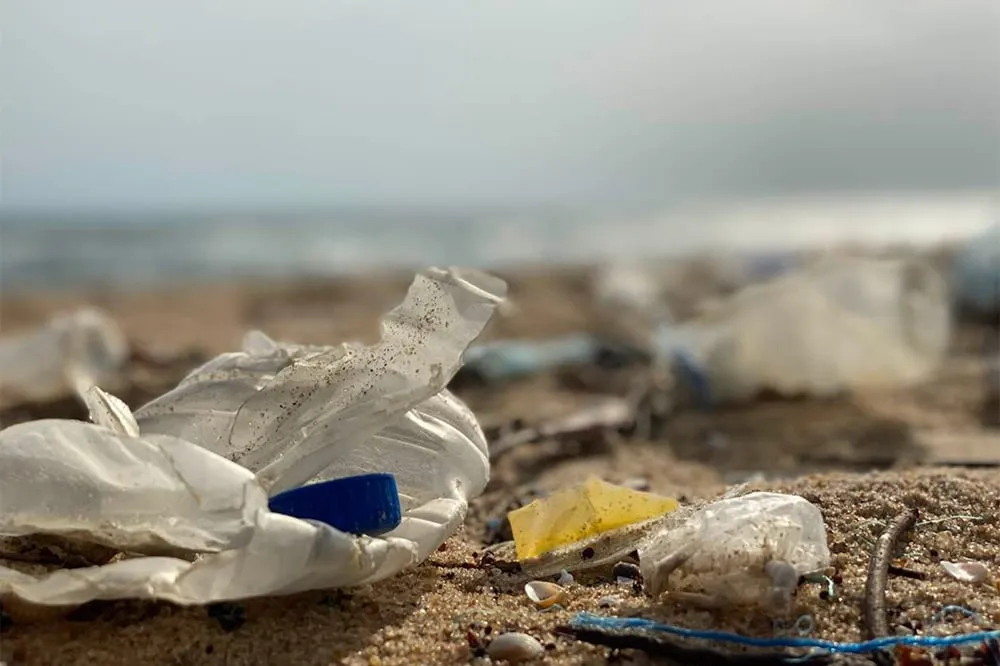
Less fossil-based plastic, more recyclate and bio-based plastic
The grant scheme is part of a wider package of measures to increase the proportion of recycled or bio-based material used in new plastics. One example is plastic made from sugar cane and used in drinks bottles. In the Netherlands, around 8% of plastic products and components are currently made using recyclate. Bio-based plastic is used only to a very limited extent. This proportion needs to increase.
Industry has a vital role to play
“We want to move away from using fossil feedstocks,” says Mark Harbers, caretaker Minister of Infrastructure and Water Management. “Not only as an energy source, but also as a raw material for the things we make, such as plastic. Our aim is for the Netherlands to be climate-neutral and fully circular by 2050. That means an economy in which we keep reusing raw materials and generate virtually no waste. We need industry to play a key role in this, and grants like this help companies switch from fossil to renewable feedstocks.”
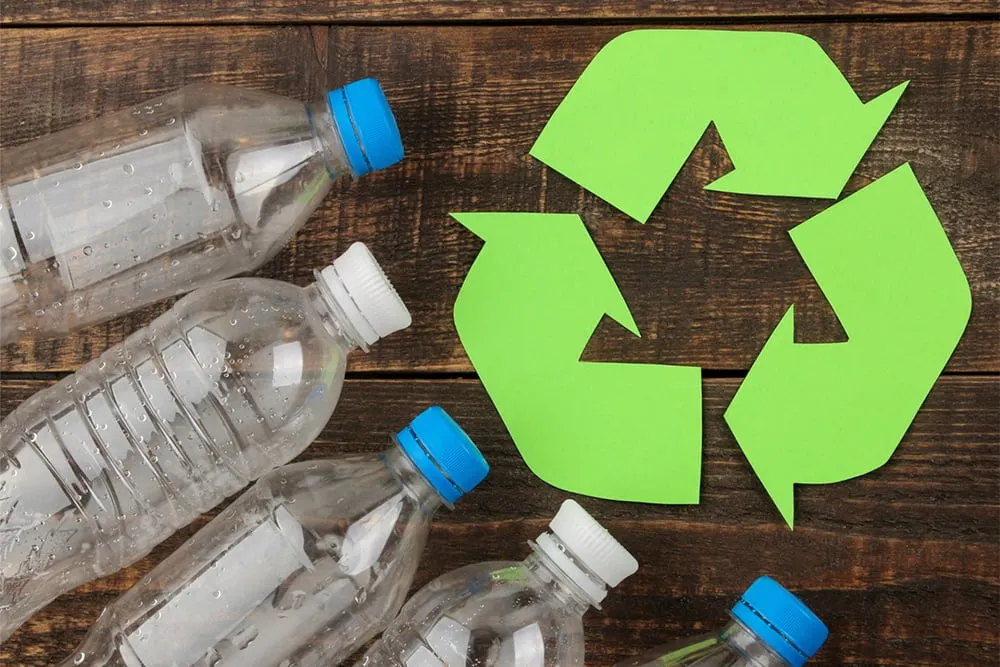
National circular plastics standard
The government is working on introducing a national circular plastics standard (NCPN). This means that, from 2027, an increasing proportion of recycled or bio-based material will be used in new plastics in the Netherlands. This grant scheme is being made available in conjunction with the introduction of the NCPN and is part of a package providing a total of €267 million in grants to promote circular plastics. The grant scheme was developed in consultation with the plastics processing sector. It is being established by the Ministry of Infrastructure and Water Management and administered by the Netherlands Enterprise Agency.
Question about this story? Ask your question
Keep following this
Get an email when a new story is published. No account needed.
- ThemeMaking plastics and packaging circular
- SubjectPlastic waste







