












GBN-AGR launches artificial grass recycling
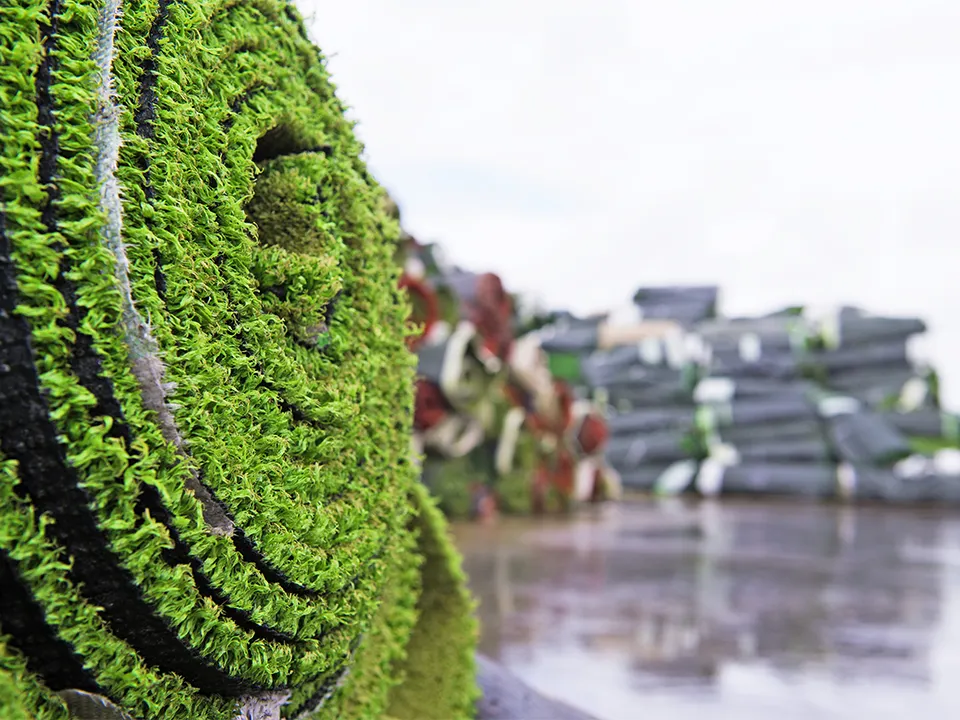
The inability to recycle end-of-life artificial grass gave the sector a poor image. This prompted producers, contractors and GBN to join forces and develop a recycling plant.
The plant began operating this year. GBN sees plenty of potential, but is calling for manufacturers to become more aware of the issue. “Circular raw materials must be recognised as fully fledged materials as soon as possible.”
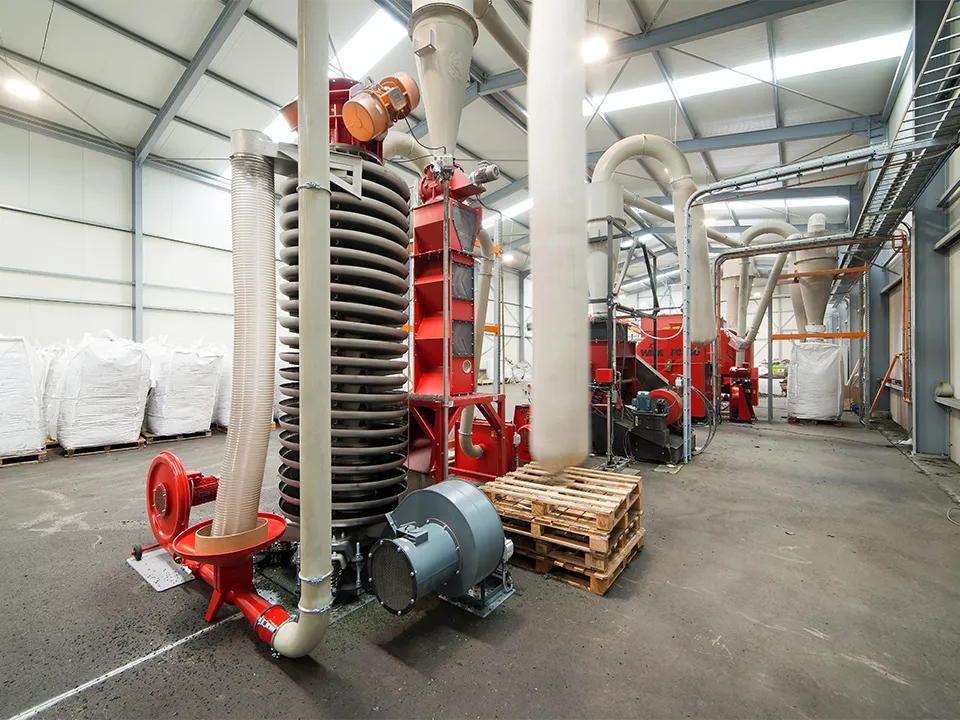
Utrecht-based GBN is a multidisciplinary network organisation with several recycling divisions. The newest member of the GBN family is Artificial Grass Recycling (AGR). GBN-AGR recycles end-of-life artificial grass pitches. It is an initiative by GBN, together with a number of artificial grass suppliers and producers and contractors in the sector, who are committed to transparent and responsible artificial grass recycling. The partnership secured the investment needed to build a plant in the circular cluster in the Port of Amsterdam area.
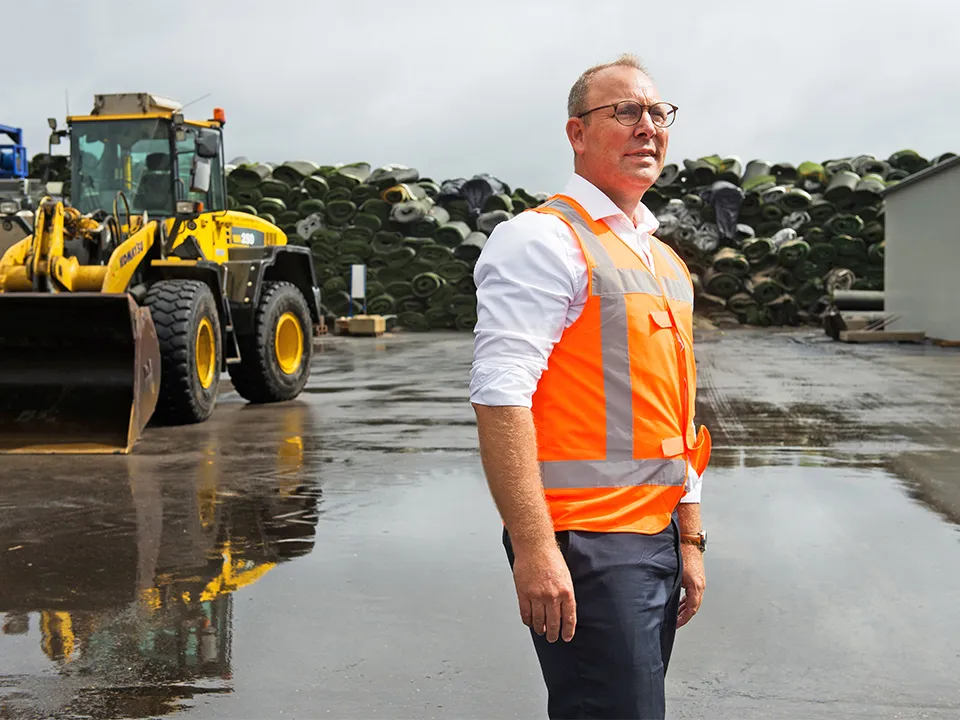
Artificial grass recycling in the Netherlands looked very different in 2018, says Eric van Roekel, CEO of GBN. “There was no effective technology available to handle this recycling, with the result that the artificial grass waste mountain was growing in the Netherlands. Artificial grass reaches end of life after ten years.”
Broad alliance
The ‘artificial grass mountain’ generated a great deal of negative media coverage, reflecting badly on the sector. “Producers, who compete with one another in sales, then sat down together and took responsibility for products they had sold ten years earlier.” Only a broad alliance made it possible to raise the capital, stresses the passionate Van Roekel. “Recycling artificial grass is an expensive process.”
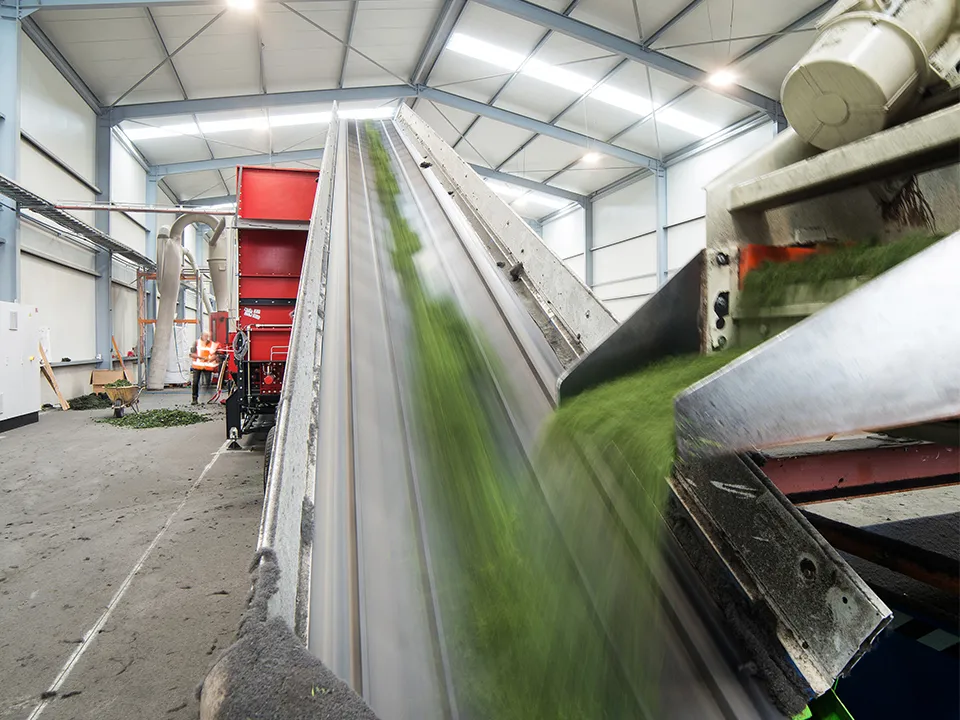
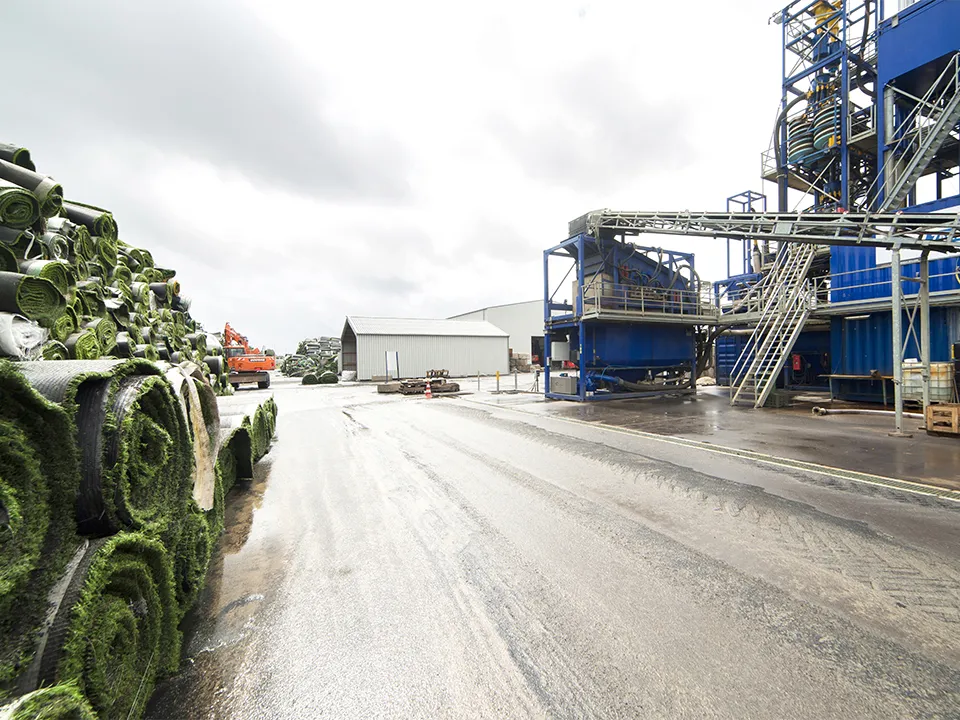
The plant began operating this spring, with a target of processing 1.5 million metres this year. The artificial grass pitches, which contain sand and rubber granules when delivered, yield a number of circular raw materials. The sand is washed and screened before being used in new pitches, while the rubber granules are also reused in pitches or supplied to industry. The artificial grass itself is processed into Recycled Turf Agglomeraat (RTA). These granules are used as a raw material, for example, to manufacture picnic tables and other plastic products.
Chemical recycling
Having taken the first major steps, GBN wants to refine the recycling process further in the longer term. “We want to improve our production methods so that we can make even higher-quality end products,” says Van Roekel. He says the company is also investigating applications for chemical recycling. “At present, we only use mechanical recycling, but chemical recycling offers other options that could create more added value.”
Despite the company’s ambitious plans, the recycling expert says it is largely dependent on demand. At present, the manufacturing industry does not yet place enough value on recycled raw materials. “When oil prices are low and plastic is cheap, people choose these materials rather than a circular product.”
A change in mindset is needed
The CEO says the manufacturing industry therefore needs a change in mindset. He is referring not only to the fact that using virgin raw materials further depletes the planet’s resources. “I’m also looking at consumer demand, which is on the brink of major change. My children draw pictures of the plastic soup in the sea, and employees no longer want a company car because they prefer sustainable mobility. The time will also come when consumers no longer want a table made from virgin materials, but insist that it be made from recycled material.”
Question about this story? Ask your question
Keep following this
Get an email when a new story is published. No account needed.
- SubjectPlastic waste







