












Eight multinationals join forces to accelerate the transition to circular plastics
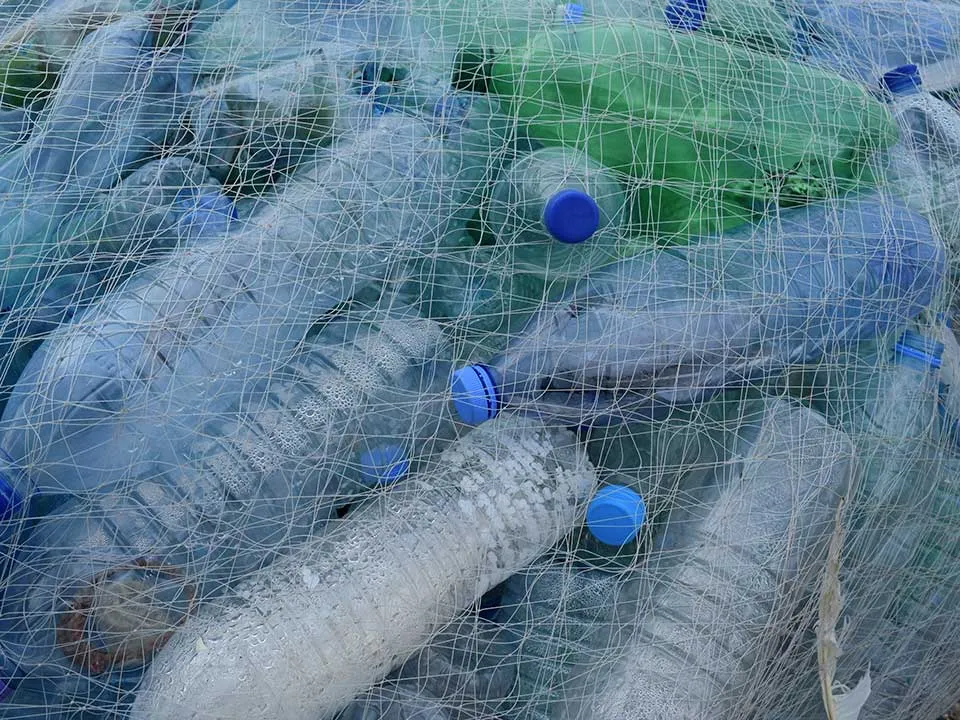
The Dutch Sustainable Growth Coalition (DSGC), led by the CEOs of eight Dutch companies operating internationally and chaired by Jan Peter Balkenende, aims to accelerate the transition to a circular economy for plastics.
An integrated approach focused on breakthrough innovation and collaboration is essential now. The environment is the primary concern, but the transition also offers economic opportunities across the entire value chain.
In its publication ‘Transition Time! A circular economy for plastics’, the coalition outlines the challenges posed by plastics, shares innovative case studies and makes specific recommendations to encourage joint action. In January, Jan Peter Balkenende presented the publication to the Dutch cabinet and Frans Timmermans, Executive Vice-President of the European Commission and European Green Deal. “A transition on this scale requires shared values and a willingness among different partners to create a responsible society in which plastic, now far too often regarded as waste, becomes a resource,” said Jan Peter Balkenende.
When receiving the publication, Frans Timmermans agreed that the plastics issue must be tackled collectively. “This publication is urgently needed: in the EU, we want to significantly reduce the amount of plastic and the amount that is incinerated, and we need to bridge the price gap between virgin and recycled plastics. We will pursue this when revising various directives.”
The benefits of the transition are enormous. In a circular economy, the amount of plastic in the environment will fall dramatically. Energy and water consumption will also drop significantly, as will CO2 emissions. New technologies can be scaled up for innovative applications, helping plastic retain its value as a secondary raw material. Collaboration between governments, knowledge institutions, civil society organisations and businesses is crucial to closing the loop together. DSGC members describe innovative case studies from their own operations, showing how they are working with stakeholders to close the plastics loop. Their shared knowledge and experience can inspire other companies to invest in a circular economy. Harmonised policy and an effective legal framework are both vital to help initiatives grow into impactful, sustainable solutions. The DSGC has put forward specific recommendations to this end.
Question about this story? Ask your question
Keep following this
Get an email when a new story is published. No account needed.
- ThemeMaking plastics and packaging circular
- SubjectPlastic waste







