












Demand for recycled plastics on the rise
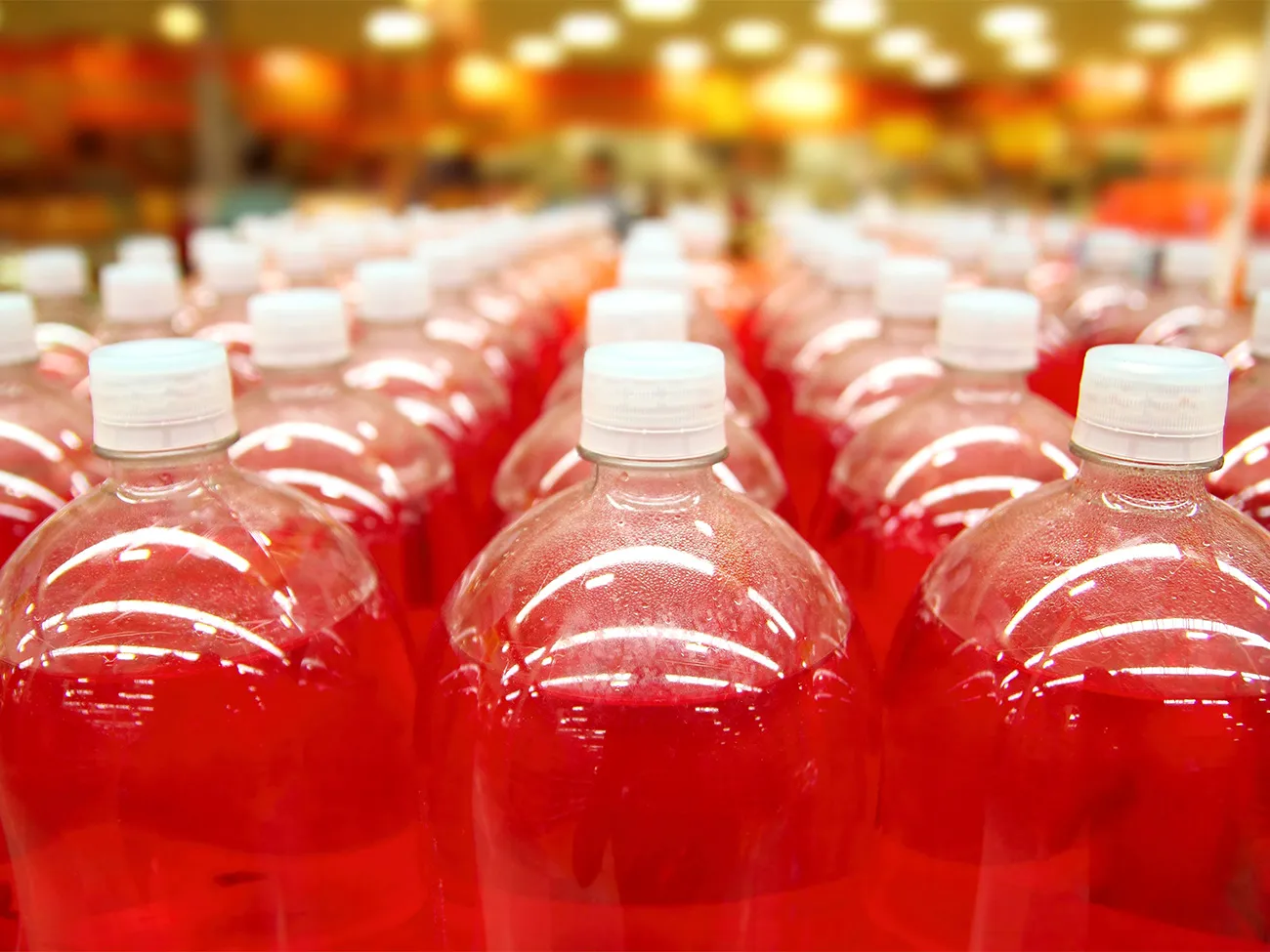
Recycled plastics are on the rise again, and for the first time, not solely because of higher oil prices. Europe’s decision to make recycled content mandatory in PET bottles will, for the first time, completely break the link between the price of virgin PET and that of recyclate. In the years ahead, finding enough high-quality waste material will be a challenge.
Last year, plastics recyclers were still facing a crisis. Car parks were full of post-consumer plastic waste waiting for better times and better prices. Oil prices had fallen to such a low level that demand for recyclate largely ground to a halt. Today, the trend has reversed. As oil prices hit new highs, recyclate is becoming more popular again. It is difficult to calculate the exact price increase. The differences can vary considerably depending on the type of plastic and the quality of the recyclate. But the trend is positive across the entire value chain. For recycling companies, the higher prices their customers are willing to pay also mean they have to pay more for the waste material they buy.
PET leads the way
The biggest increase is undoubtedly in PET. Oil price fluctuations no longer play a part in setting the price of recycled PET. This positive trend is thanks to European regulations requiring PET bottles to contain 25% recycled content from 2025. The bar will be raised to 30% in 2030. Companies are already looking for recycled PET of the right quality to meet these requirements. But there is more to it than that. Companies are increasingly committing to sustainable business practices. They are encouraged to do so by regulations with the same focus, more environmentally conscious consumers who want to buy sustainably, and competitors who in many cases share the same vision. Brand owners in particular want to lead by example. This trend is also reducing dependence on oil prices, since companies that have switched to recyclate are unlikely to return to virgin materials. They have made a commitment and now need to honour it.
Mandatory recycled content drives demand
The requirement to use recycled content has therefore given the market a strong boost. Demand for PET is particularly strong. Recycling companies will now need to ensure they can collect and recycle enough plastic waste. This is not an obvious solution for every type of plastic. New sorting and recycling technologies will be needed to recover value from more challenging waste streams. But the entire value chain has a responsibility to play its part. Designers and producers must also apply ecodesign principles so that valuable raw materials can be recovered to the greatest possible extent once a product reaches the end of its life.
A gradual approach
But this should not end here. For other plastic waste streams too, mandatory recycled content could encourage separate collection and further investment. Given the current shortage of high-quality input material, common sense dictates starting modestly. By beginning with a lower percentage of recycled content and increasing it after evaluation, we can avoid a rush while allowing the market to adapt gradually to the new requirements. This would largely mitigate the risk of there not being enough material available for recycling. It is important to prioritise retaining as much of the raw material’s value as possible when producing recyclate. This will allow our materials to be put back to use at the end of their life in applications of at least the same quality, with minimal energy input. This matters because we will urgently need them in the future. The current materials crisis has proved as much.
Question about this story? Ask your question
Keep following this
Get an email when a new story is published. No account needed.
- ThemeMaking plastics and packaging circular
- SubjectPlastic waste







