












“Creating circular hubs”
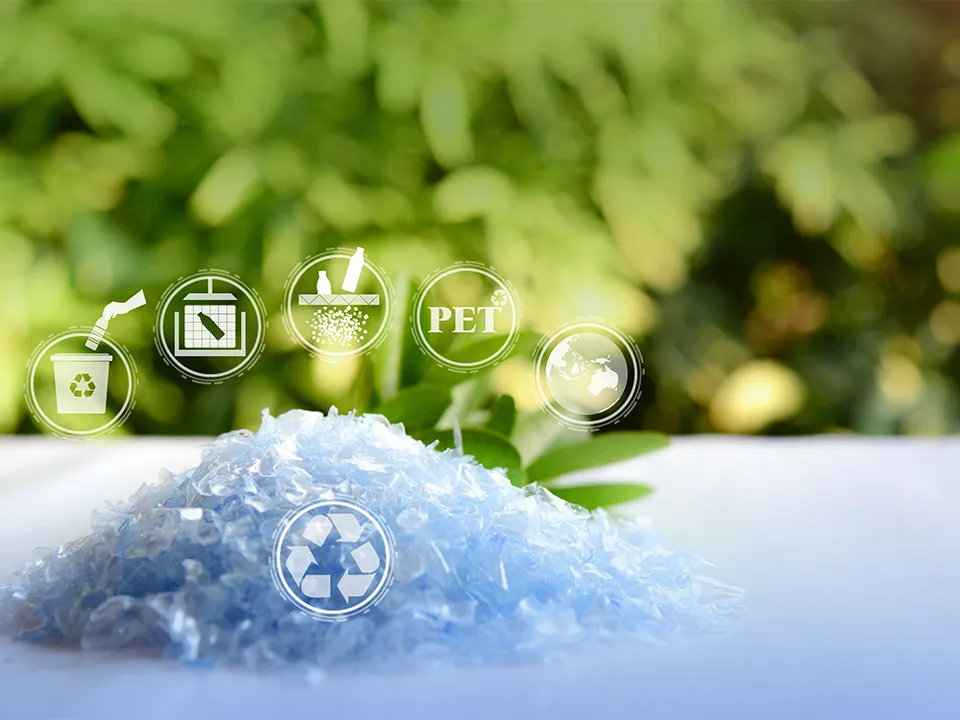
How hard the impact of coronavirus is being felt depends to a large extent on where you are in the supply chain. The strategic choices ECO-oh made in the past have proved to be the right tools to weather this difficult period.
“We are only active to a limited extent in trading granules. In that area, we have deliberately opted for long-term contracts to be less dependent on external factors such as oil prices. We can hear and feel the price pressure, but its impact here remains limited,” says Nathalie Verhaert of ECO-oh.
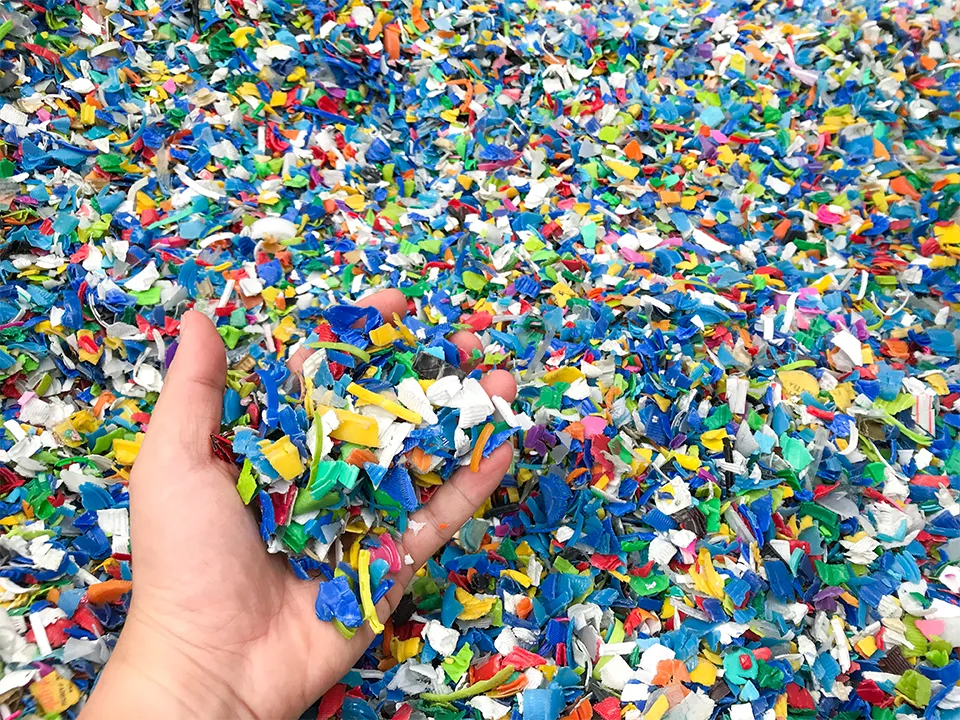
The fact that in Houthalen they also process a large proportion of their granules into finished products themselves was enough to restore the balance. “The public sector may have ground to a halt, but the garden sector, for which our products were developed, was the first to receive the government’s green light to resume operations. Everyone wanted to make the most of lockdown to get their home and garden in perfect order. That was a blessing for us.” Verhaert realises that others in the sector found it harder to weather the storm. “We will only be able to change that when everyone understands the importance of a circular economy. That is why it is so important to get consumers on board. We are fortunate to work with partners who share our belief in a better, more sustainable world. Partnerships will be important in setting up short supply chains, circular ecosystems, as it were, where virgin materials, secondary plastic granules and the end application are perfectly aligned. For example, products need to be easy to recycle if they are to be produced profitably. If you can also bring all the partners together on the same site, circular hubs can emerge, enabling operations to be even more efficient. And if a plastics tax is introduced after all, why not apply it to products that are difficult to recycle? At least that would create an incentive to look for alternatives.”
Question about this story? Ask your question
Keep following this
Get an email when a new story is published. No account needed.
- SubjectPlastic waste







