












‘All plastic must be recyclable’
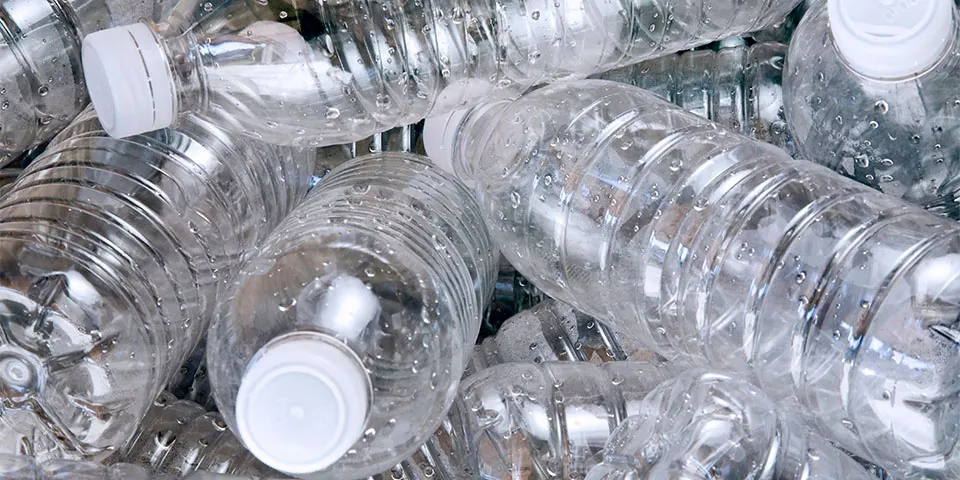
66 companies sign Plastic Pact
All plastic packaging must become recyclable or suitable for reuse. Fifteen European countries and 66 companies have formed a partnership to achieve this. Minister for the Environment Van Veldhoven recently presented the plan in Brussels.
Van Veldhoven: “If we want to meet the Paris climate targets, we need to look at clean raw materials as well as clean energy. I believe that in the future we should be able to reuse every last bit of plastic and keep it out of our oceans and the environment. That way, we can leave the planet cleaner and healthier for future generations. It is no easy task, but by working together with all these parties on a European scale, it can be done.”
Van Veldhoven, together with her French and Danish counterparts, led the European Plastics Pact. The idea took shape a year ago among the three ministers during a meeting of environment ministers in Brussels. Following the launch of the Plastic Pact in the Netherlands and France, enthusiasm grew and led to the creation of its European counterpart.
The European Plastics Pact comprises agreements between plastic producers, major companies, governments and recyclers. The pact sets out four substantive targets that signatories have committed to meet by 2025. Plastic packaging must become fully recyclable and, wherever possible, suitable for reuse; plastic use must be reduced; collection, sorting and recycling must be improved by 25 per cent; and at least 30 per cent recycled plastic must be used in new packaging and products.
A total of 66 companies and organisations and 15 governments have signed the pact. According to its architects, participation is voluntary but not optional. Progress by participants is monitored each year. The first working groups are starting today, immediately after the launch, with work including setting up monitoring and reporting, transporting plastic waste and designing plastic products for circularity. Progress is overseen by a rotating steering group made up of a number of signatories. The European Commission is involved as an observer to the pact. Together with the European Commission, the signatories will also consider how the European Plastics Pact can contribute to new European plastic policy based on the European Green Deal.
NGOs such as Greenpeace and Break Free From Plastic are critical of the pact. They point out that signing it is voluntary and not legally binding. The organisations therefore question whether companies will opt for recycled plastic, especially now that virgin plastic is cheaper. The NGOs say it would be better to introduce tougher measures to discourage the use of all types of plastic.
Question about this story? Ask your question
Keep following this
Get an email when a new story is published. No account needed.
- ThemeMaking plastics and packaging circular
- SubjectPlastic waste







