












€7.5 million in support for infinite plastics recycling
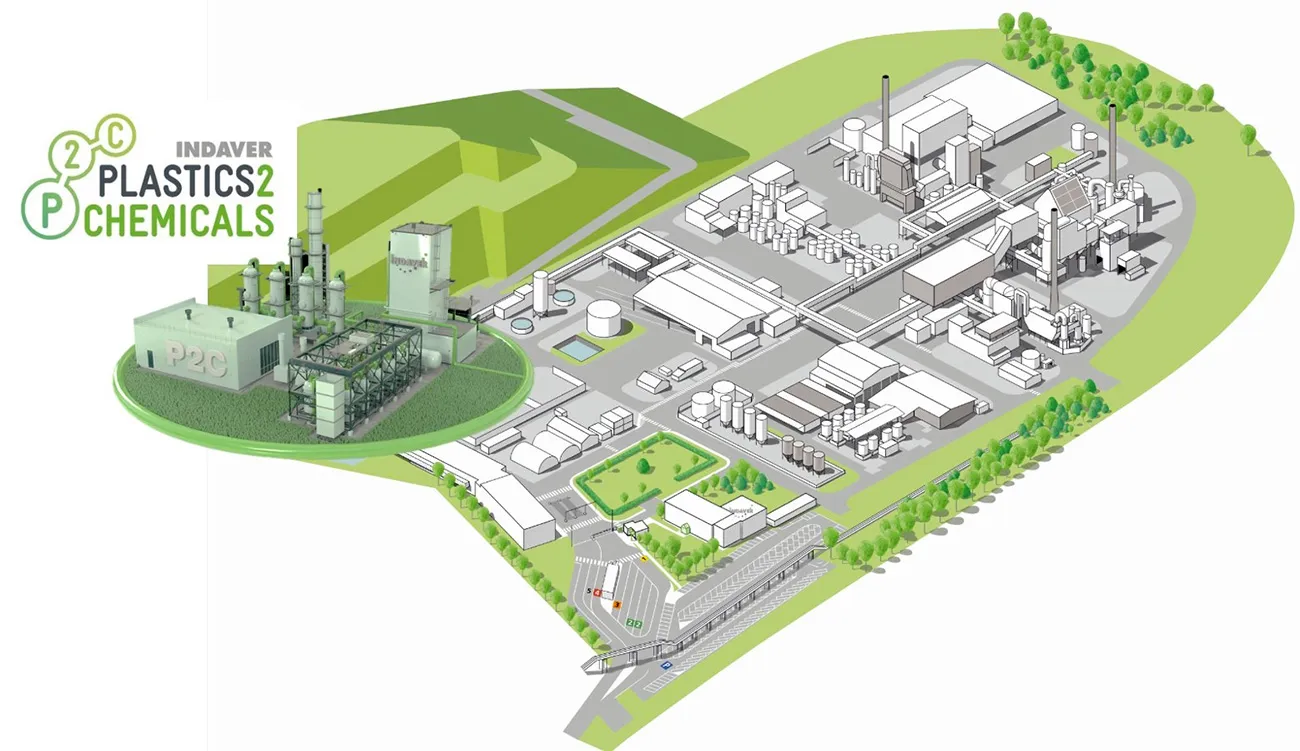
The global market is seeing growing demand for sustainable recycling solutions for plastic waste. Indaver has been investing for several years in Plastics2chemicals (P2C), a programme to develop a safe recycling process for post-consumer plastics, for which there are currently no good recycling options. The Flemish Government is providing the waste management company with €7.5 million in technology support. If the project proves profitable, half of that amount will have to be repaid.
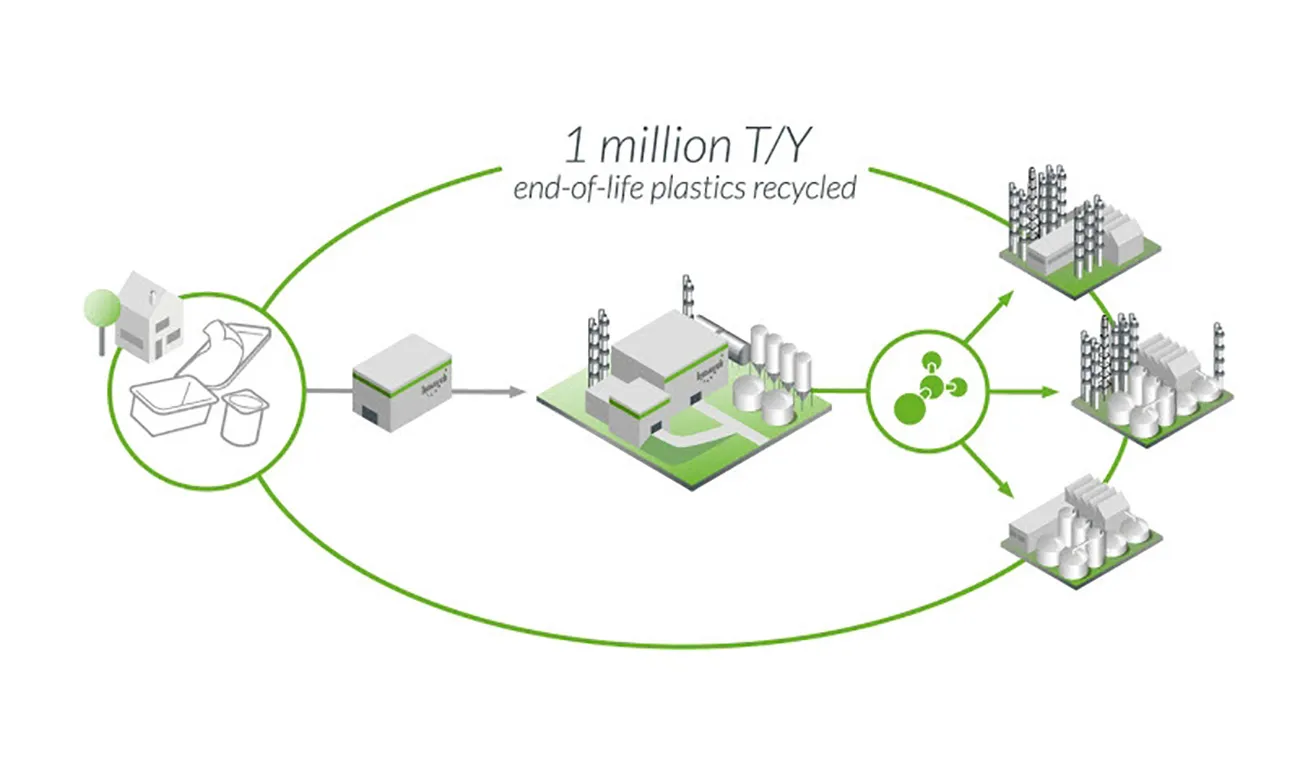
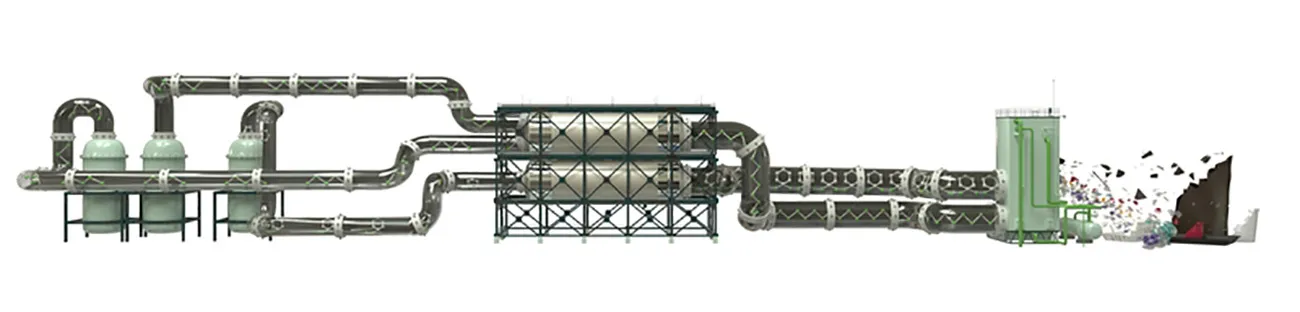
With its P2C plant, Indaver aims to develop a safe and sustainable solution for post-consumer plastic waste. Years of research and development have led to a depolymerisation process that converts plastics into high-quality recycled feedstocks for the (petro)chemical industry, such as styrene, naphtha and waxes. Drawing on its long-standing expertise in recycling waste down to the molecular level, Indaver has helped accelerate the successful delivery of the P2C project. Paul De Bruycker, CEO of Indaver: “With our innovative Plastics2chemicals project, Indaver will be able to recycle plastics into basic chemicals for industry. This will enable us to realise our ambition of playing an essential role in the circular economy as a waste management company. We recover valuable raw materials from plastics, creating value for society and our customers.”
Strategic technology support
The Flemish Government now also wants to invest in the project, awarding €7.5 million in support. “What is new is that half of the amount awarded will be repaid if the project delivers good returns,” says Minister Hilde Crevits. “We link support to returns. If good results are achieved, Flanders will recover part of its investment through repayable advances.” The €3.75 million will be repaid in full if the project is successfully completed, and in part if the investment does not fully meet expectations. If the project performs better than expected, Indaver will repay up to 10% more than the repayable amount. Indaver itself is investing €60.5 million in the new facility.
From saving 90,000 tonnes of CO2 to 225,000 tonnes
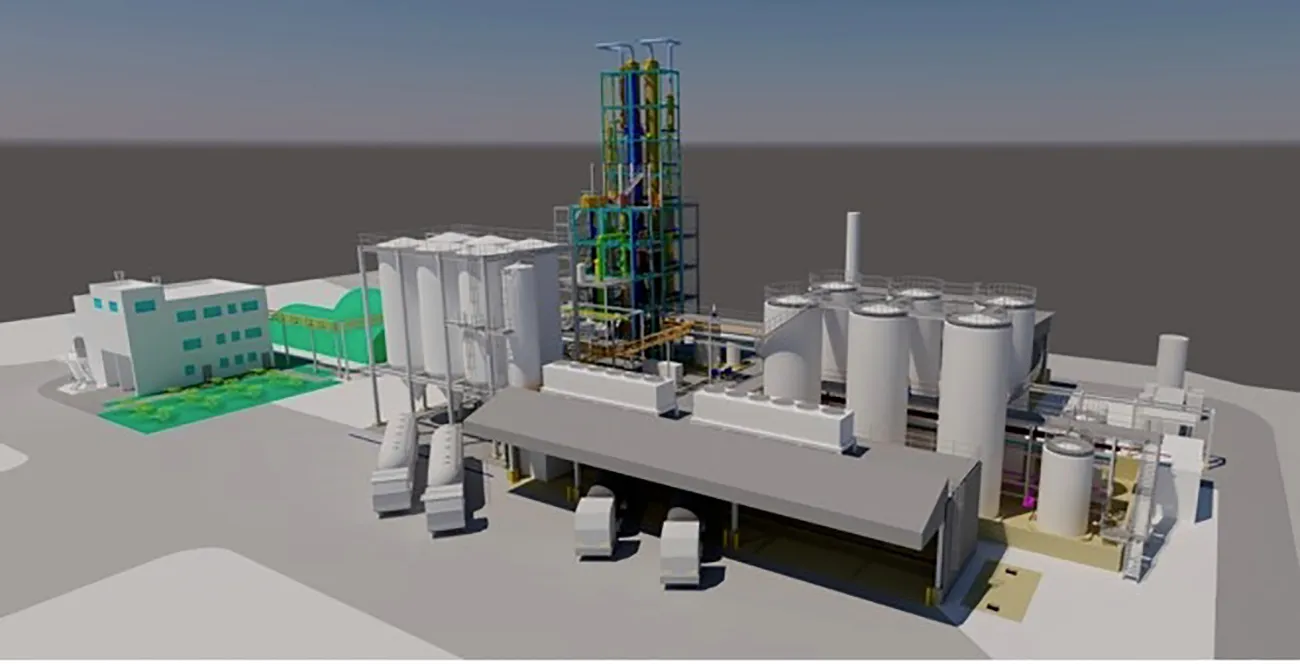
The depolymerisation and purification process was extensively tested in collaboration with Flemish universities, using Indaver’s own test set-up. This test set-up has now been developed into a chemical pilot plant. With investment and support from the Flemish Government, Indaver now plans to build a demonstration plant with a recycling capacity of 31,000 tonnes per year. The plant will recycle polystyrene and mixed polyolefin waste and is expected to be operational by 2024. If all goes according to plan, Indaver will invest in the next stage in 2027: the construction of a dedicated recycling plant for polystyrene and polyolefins. In time, this is expected to create around 100 additional jobs and save 90,000 tonnes of CO2 per year initially (demonstration plant), rising to 225,000 tonnes of CO2 per year from 2027. Crevits: “Flanders is an important pioneer in plastics reuse. This investment is important for the environment and for the circular economy and climate.”
Close collaboration
Since high-quality recycled feedstocks are used to replace virgin raw materials, close collaboration with the chemical industry is essential. To secure markets for the feedstocks produced for the chemical industry, Indaver is working with styrene and polyolefin producers that have preferred partner status. Indaver plans to build several plants in Europe, with the ultimate aim of recycling 1 million tonnes of plastics.
Question about this story? Ask your question
Keep following this
Get an email when a new story is published. No account needed.
- ThemeMaking plastics and packaging circular
- SubjectPlastic waste







