What do carmakers think of the new rules?
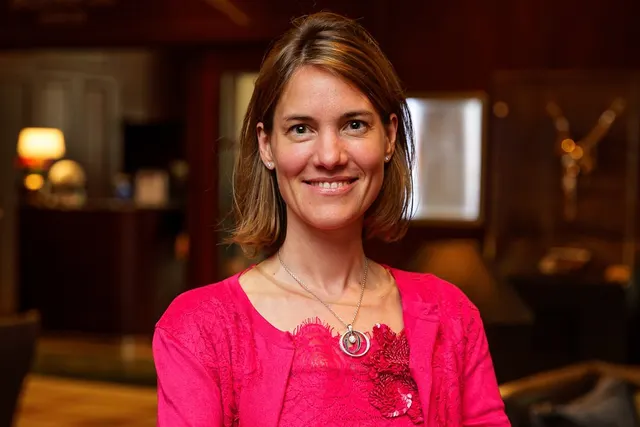
Text Valérie CouplezImage EuRIC en Volvo Cars
Wanted: sustainable steel
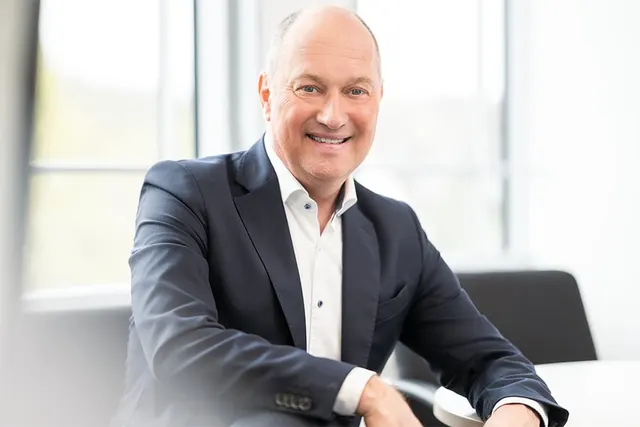
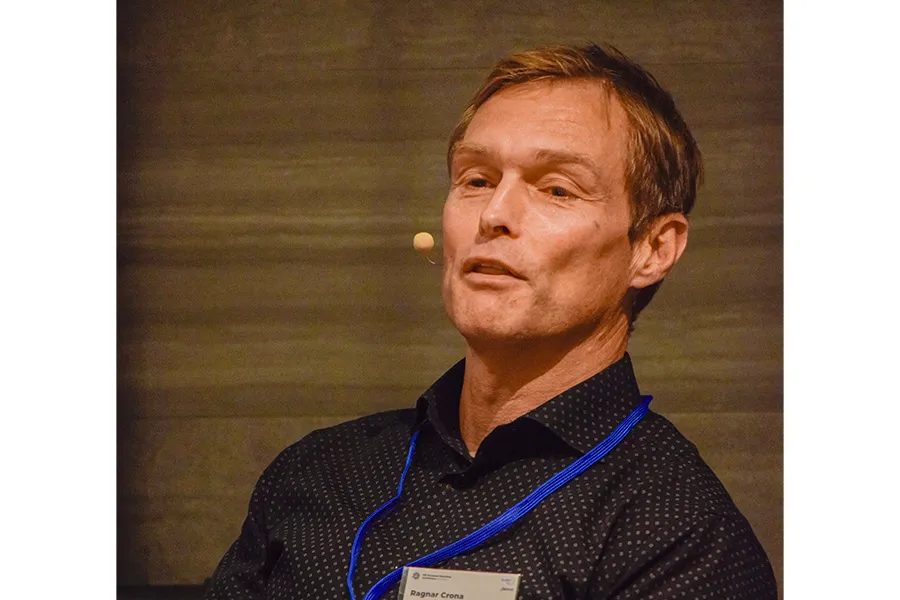
The new end-of-life vehicle rules also explicitly call on carmakers to take on more responsibility. For Volvo Cars and its Circular Economy Manager Ragnar Crona, this is self-evident. “Volvo has a long history in safety. Sustainability will be at least as important a topic in the coming years. It is at the centre of everything we do.”
Volvo Cars did not even have to wait for the new end-of-life vehicle rules. Its ambitions were already firmly in place: by 2025, half of its sales must be electric cars. It also aims to reduce CO2 emissions per car by 40% and already use 25% recycled content in new cars. Crona: “99% of emissions from car production come from the value chain. Scope 1 & Scope 2 emissions account for just 0.3 tonnes of CO2. We therefore need to look at how our raw materials are produced (18.1 tonnes of CO2) and how we can achieve more sustainable use over the car’s entire lifetime (27.9 tonnes of CO2). But we will also have to adapt our business model, so that we no longer make more money by producing more. We want to become a leading company in circular and responsible business. That is the mission.”
Getting the circular automotive industry moving
Crona warmly welcomes the new end-of-life vehicle rules. “This directive can kick-start the creation of circular initiatives for the automotive industry. And we will need them to achieve our targets. The proposed mandatory separation of materials will hopefully lead to more recycled material for our industry.” Even so, Volvo will have its work cut out. “With what is available today, we cannot get enough material to meet the requirements for recycled plastics. We can achieve the target of using 25% recycled material in the car. But closing the loop on a quarter of those materials… that is impossible without chemical recycling. Not even with mono-materials. We still have time. Hopefully more material will be available in five years’ time. It is a matter of investing.”
Finding more sustainable steel
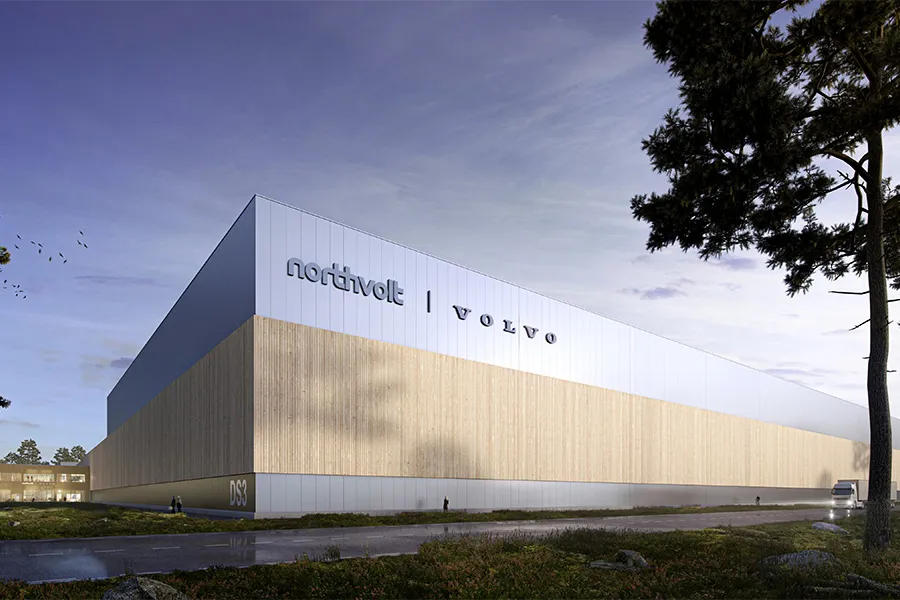
But what is Volvo Cars’ top priority? Finding greener steel. “Everyone talks about batteries. And yes, 29% of the CO2 emissions from producing an electric car come from the battery. But it will be years before the first batteries come back. We have plenty of time to establish a supply chain for that. It is a different story for the steel and iron in our cars (19%). There are fewer options for simply replacing these materials with a more sustainable alternative.” There is no shortage of initiatives. Volvo has entered into a joint venture with Northvolt to produce and recycle batteries together. It is also working with SSAB to develop fossil-free steel.
Taking an individual approach to EPR is not the answer
The directive refers to extended producer responsibility. Volvo Cars, however, has no intention of tackling this challenge on its own. “If every carmaker wants to recover its own materials, that will lead to highly inefficient logistics processes. Except perhaps in Sweden, where we have the largest market share. No, we believe an ecosystem offers a better solution, although for now we have no idea exactly what that might look like. But of course, we are talking to dismantlers and recycling companies to see how we can make this happen. Circularity requires collaboration.”
Question about this story? Ask your question
Keep following this
Get an email when a new story is published. No account needed.
- ThemeRecovering metals and creating value
- SubjectScrap metal