Aluminium packaging recycling increases sharply
RAVN calls for improvements to achieve a fully closed loop
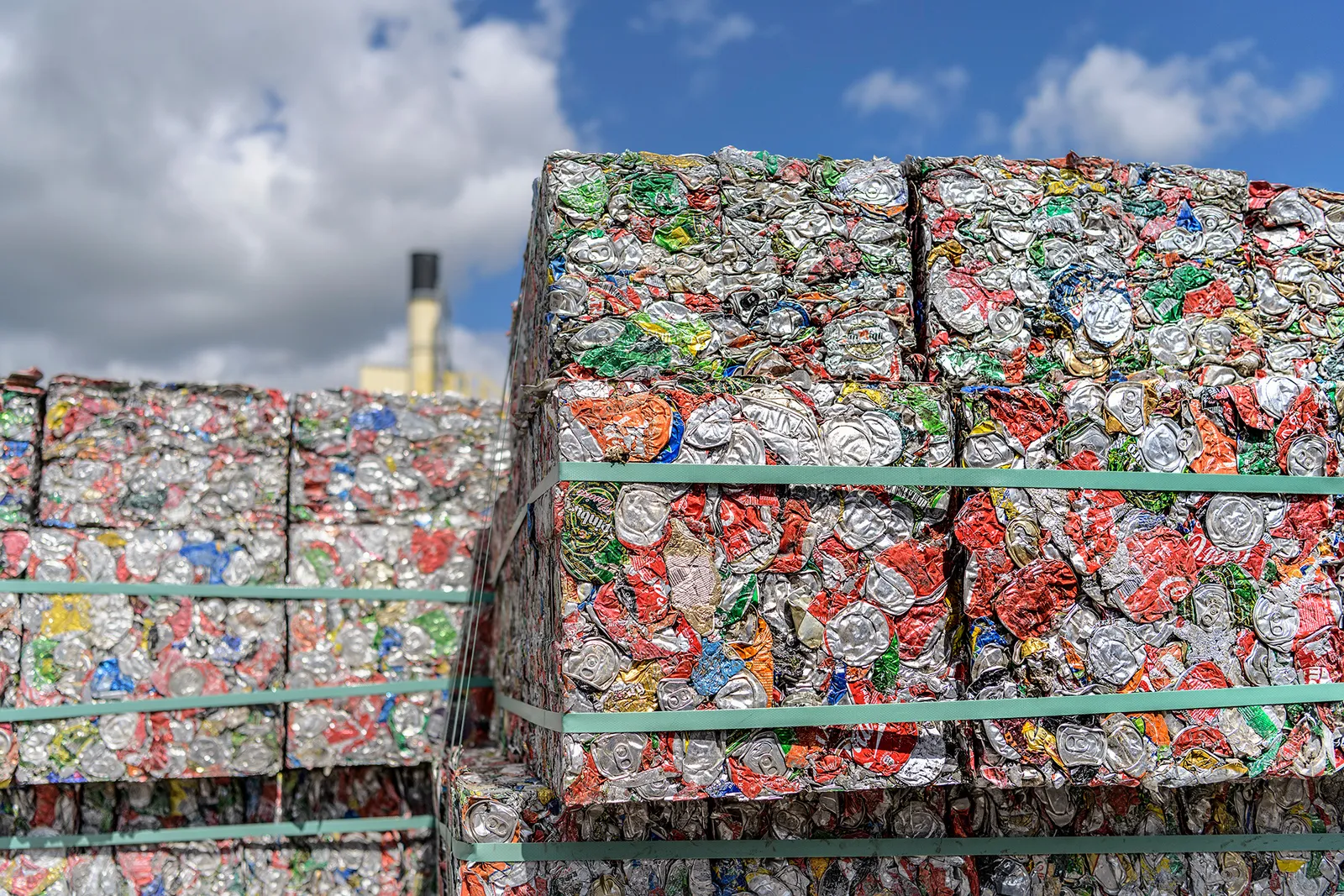
Recycling Aluminium Verpakkingen Nederland (RAVN) is pleased with the latest recycling results for aluminium packaging, as announced by Verpact, the organisation responsible for collecting and recycling all packaging in the Netherlands. With the recycling rate rising sharply from 69 per cent in 2023 to 84 per cent in 2024, aluminium packaging recycling is getting closer to achieving a fully closed loop. Despite the positive increase, RAVN believes there is still plenty of room for improvement, particularly in the quality of the recyclate and in meeting the collection target for cans through the deposit return scheme.
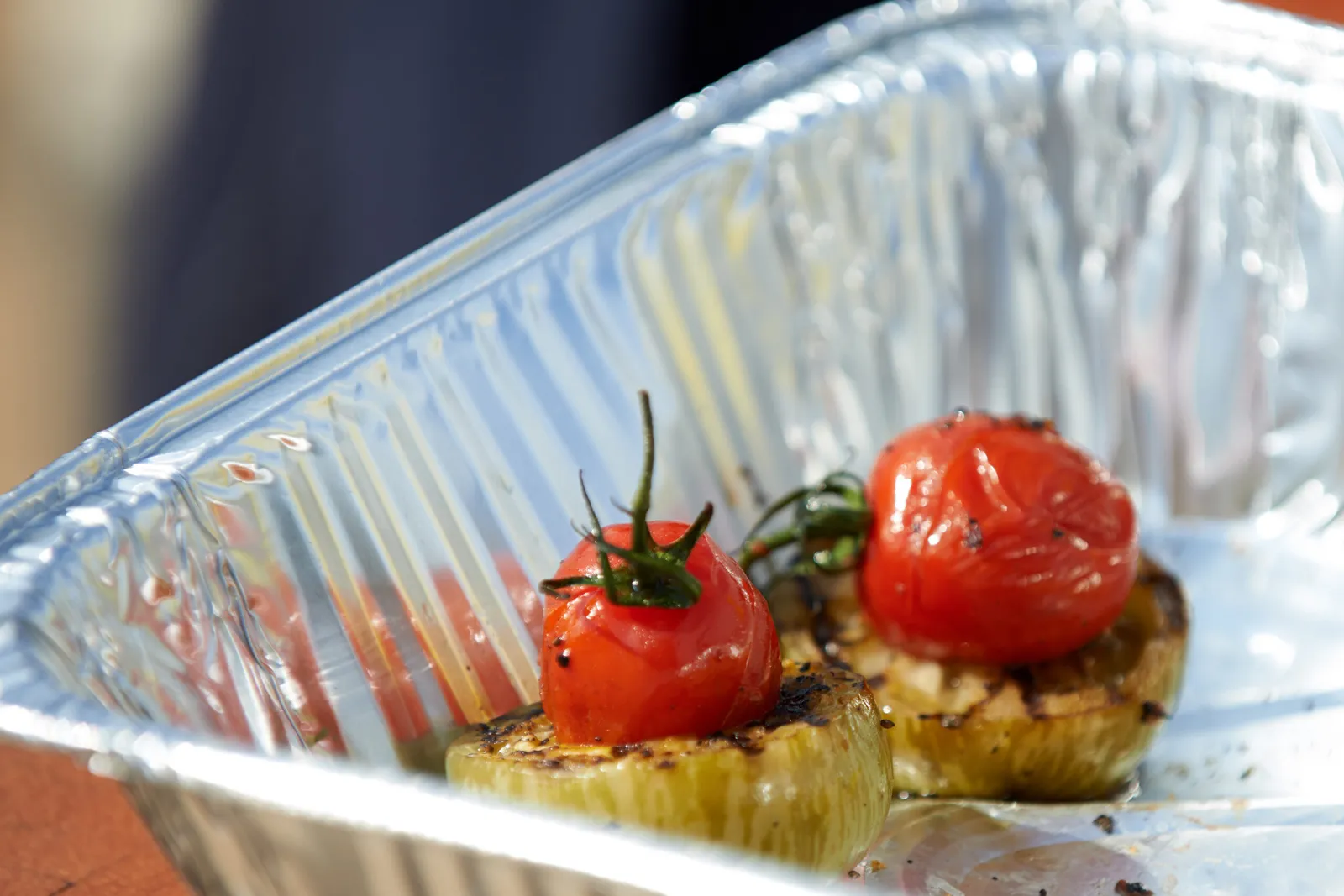
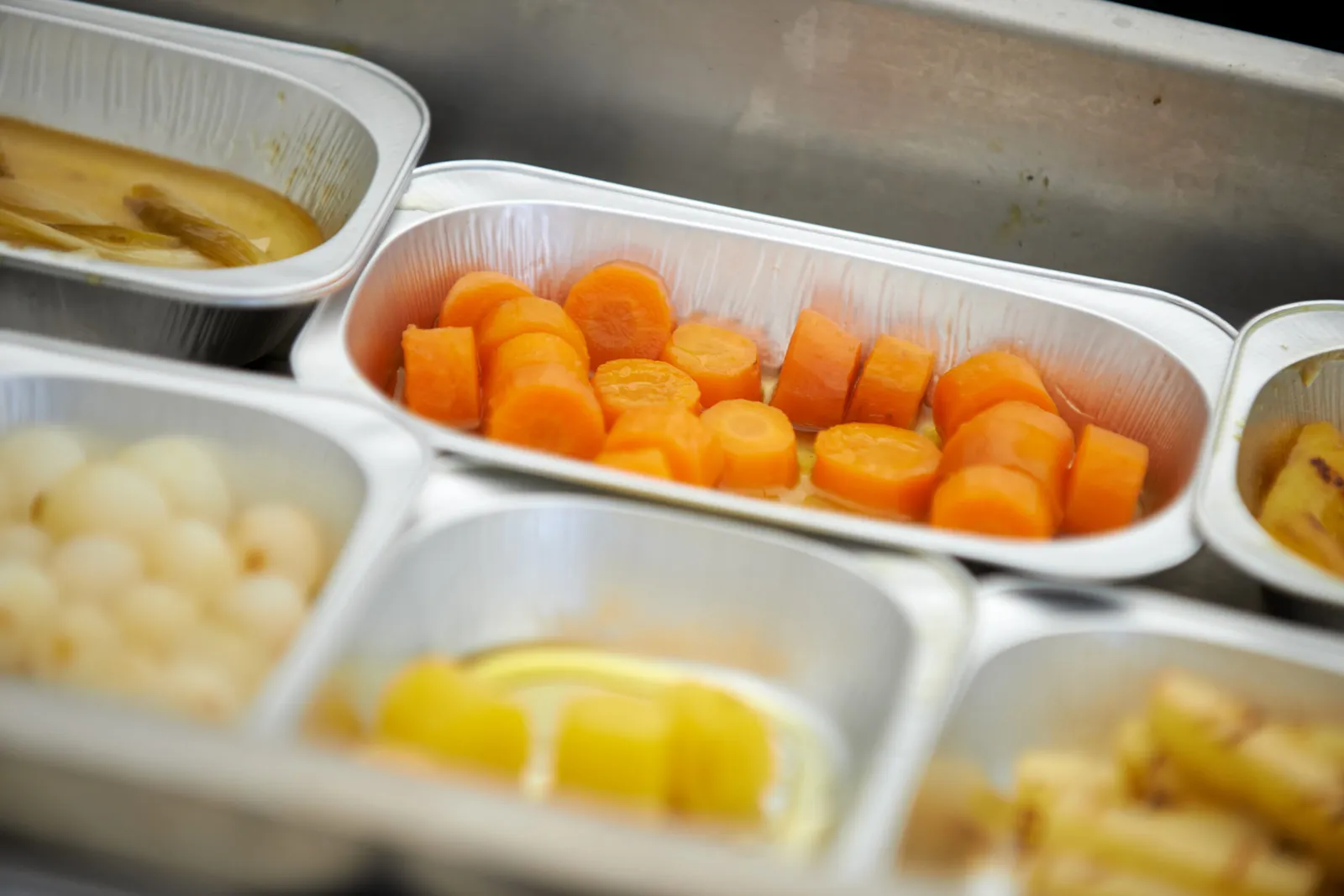
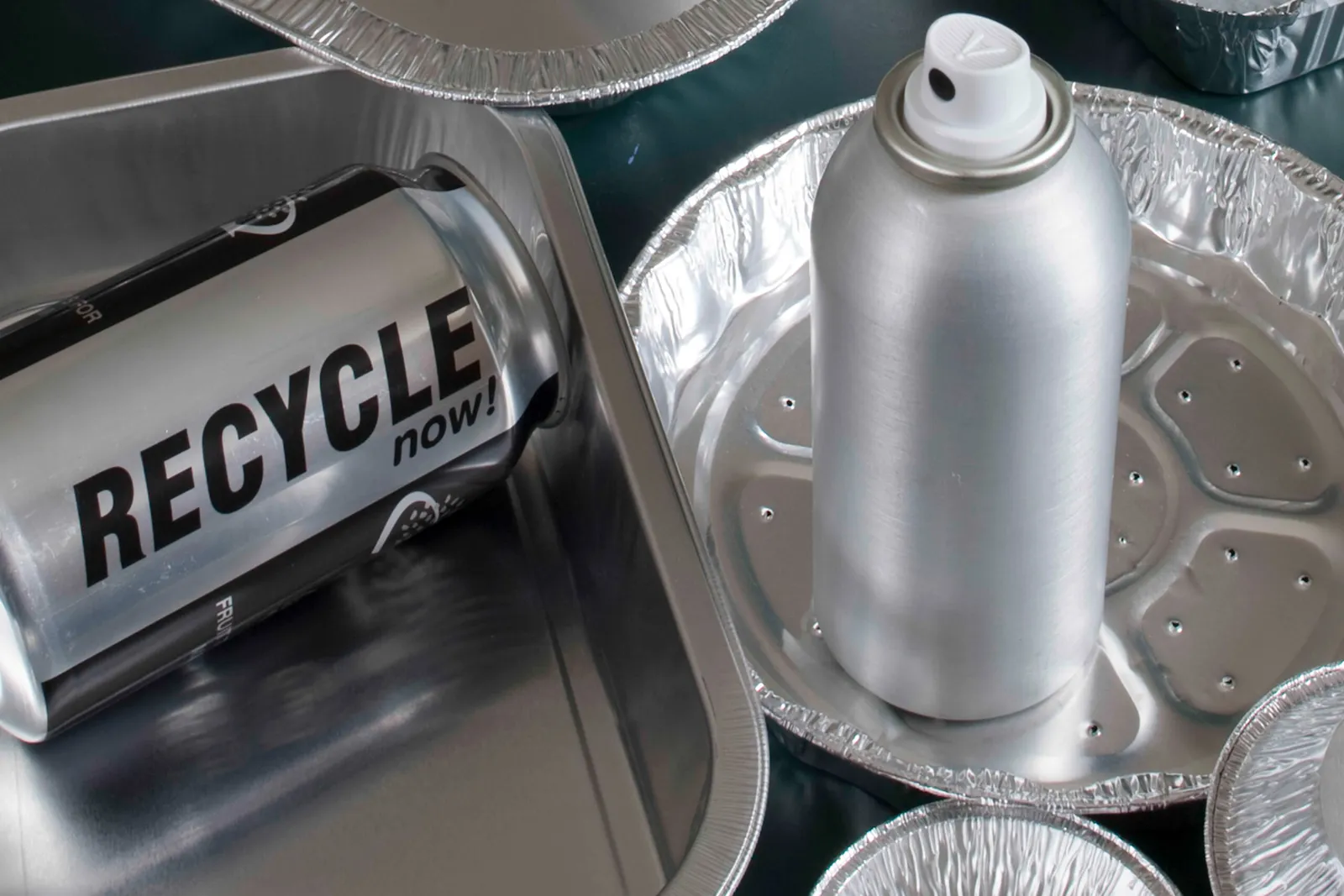
According to RAVN director Maarten Labberton, too much aluminium packaging is still being incinerated, resulting in material and quality losses, particularly for small, thin foil packaging. “The top layer is damaged by oxidation, meaning not all the aluminium can be recovered from the bottom ash of incinerators,” Labberton explains. Collecting aluminium aerosol cans, trays and foil through PMD, combined with source separation, keeps the packaging intact and allows it to be fully recycled. Sorting residual waste after collection also delivers good results. Labberton says: “Almost all the aluminium can be recovered, often after pyrolysis treatment to remove the remaining plastic and paper contamination. The result is a clean aluminium fraction that can go straight into the melting furnace to be recycled into new aluminium products. This saves a great deal of energy and raw materials”. RAVN is therefore calling for a consistent nationwide approach so that consumers know exactly what can and cannot be collected.

Expanding PMD waste collection
RAVN welcomes the clarification due to be introduced shortly for coffee capsules: from January 2026, these can also be disposed of with PMD waste. So-called ‘eddy current separators’ (magnets that attract aluminium) can remove aluminium cans from the PMD stream, allowing them to be fully recycled. Maarten Labberton says this is an important step, but there is more to be gained. He is therefore calling on Verpact and local authorities to expand the PMD stream further to include other small fractions, such as tealight candles and household foil.
More deposit return points for cans
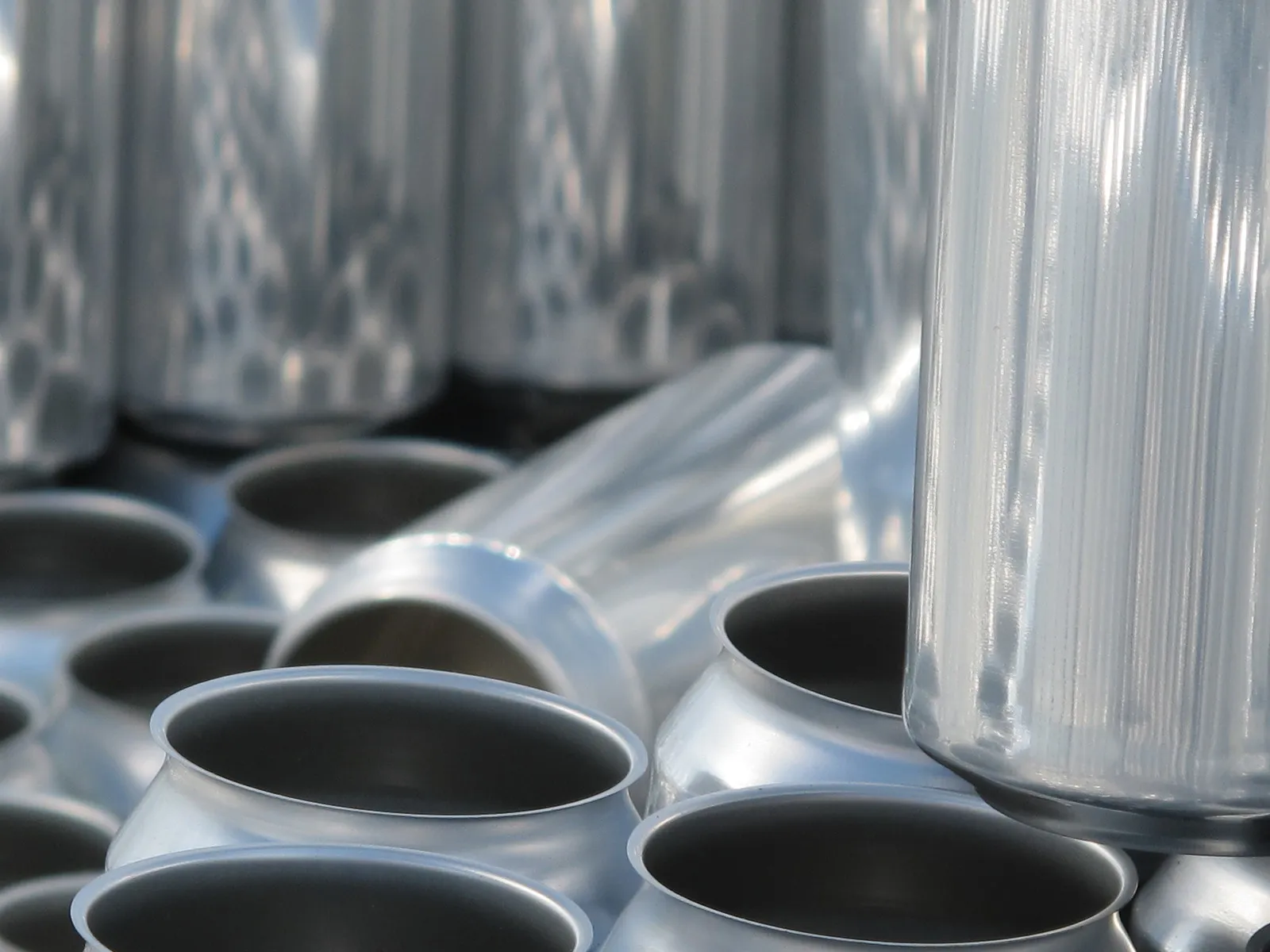
The latest recycling results show that the statutory collection rate of 90 per cent for cans has not yet been achieved. RAVN is therefore calling for a substantial increase in the number of collection points with return machines. The organisation stresses that various purpose-built ‘reverse vending machines’ (RVMs) are available on the market. These include smaller machines for ‘on-the-go’ collection points, such as stations, petrol stations and cinemas, as well as larger ‘bulk’ machines where consumers can return a whole load of cans and bottles at once.
Towards a statutory collection obligation?
With the upcoming elections in mind, Labberton is making an appeal to the next government: “Fix the current legislation and introduce a statutory collection obligation at all retail outlets in the Netherlands.”
Question about this story? Ask your question
Keep following this
Get an email when a new story is published. No account needed.
- ThemeMaking plastics and packaging circular
- SubjectScrap metal