“For more than 100 years, we have been building a bridge between the old and the new”
Text Saar BenteinImage Belgian Scrap Terminal
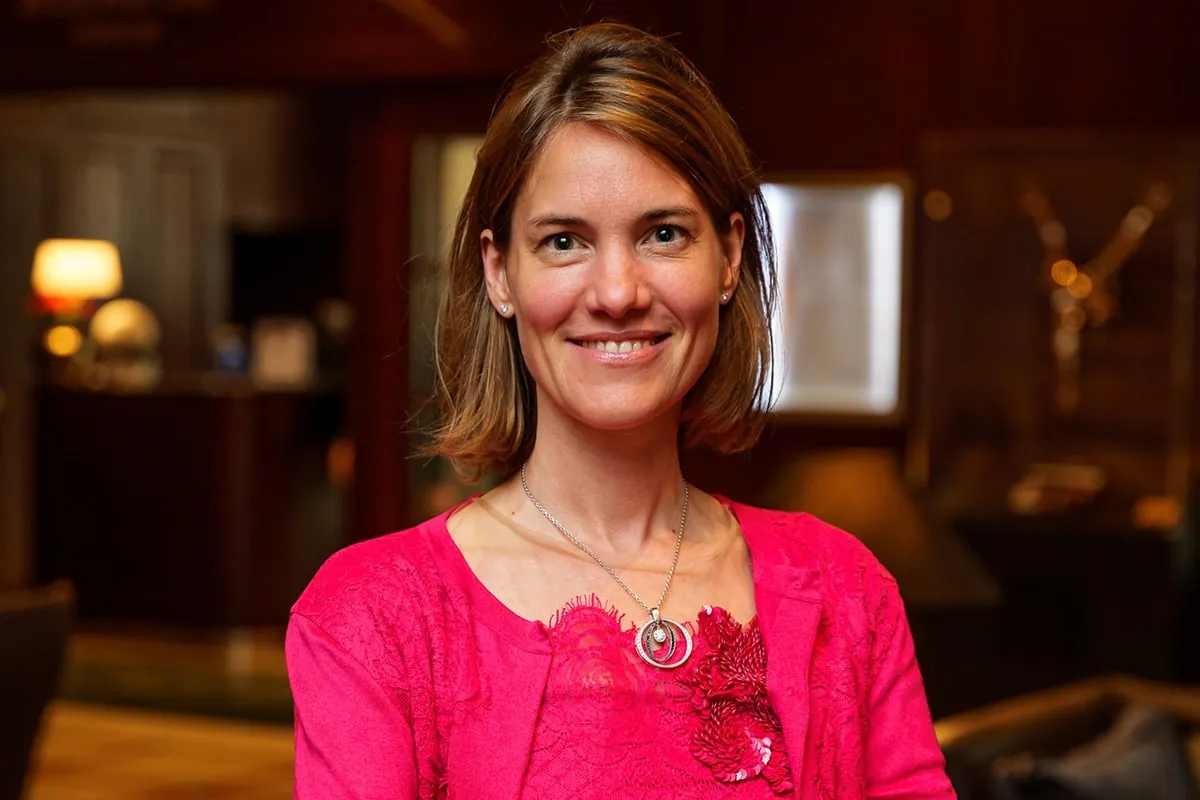
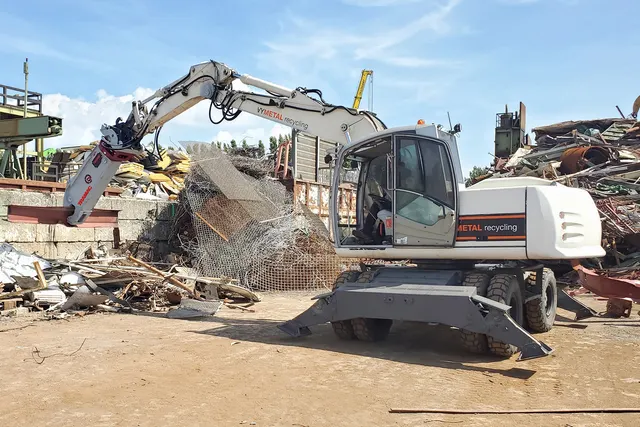
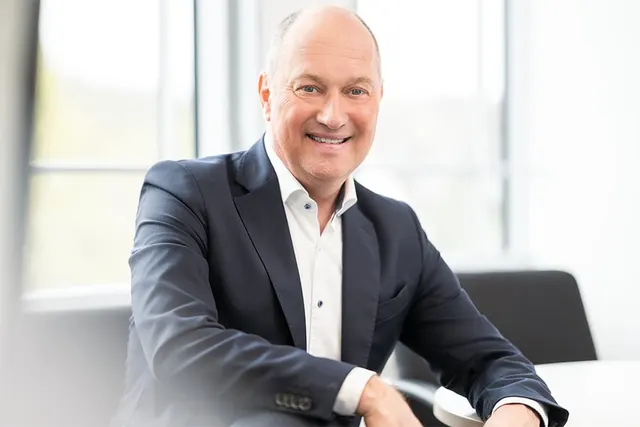
Every ending is a new beginning: this was the vision that inspired Caroline Craenhals’s great-grandfather to found Belgian Scrap Terminal. Although the product has changed, from textiles to a focus on metals, his vision still holds true today. “A product at the end of its life cycle becomes something new,” says Craenhals. Today, she heads a thoroughly family-run business with sites in the Port of Antwerp, Willebroek, Liège, Arlon, Hoboken and Givet.
Craenhals grew up with a passion for recycling. “I am carrying on the legacy of three generations. I consider that both a privilege and a source of great wealth. I draw on their experience while also bringing about change. I worked side by side with my father for the first 15 years. He used my youthful perspective to look at things with fresh eyes, and then, as it were, seasoned it with his experience. We build a bridge between waste and new raw materials, but we also build a bridge between the past and the future in the way we run our business. Innovating with respect for the past.”
Technological progress
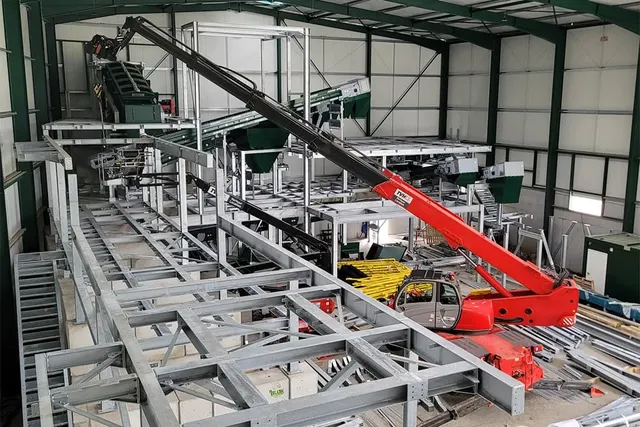
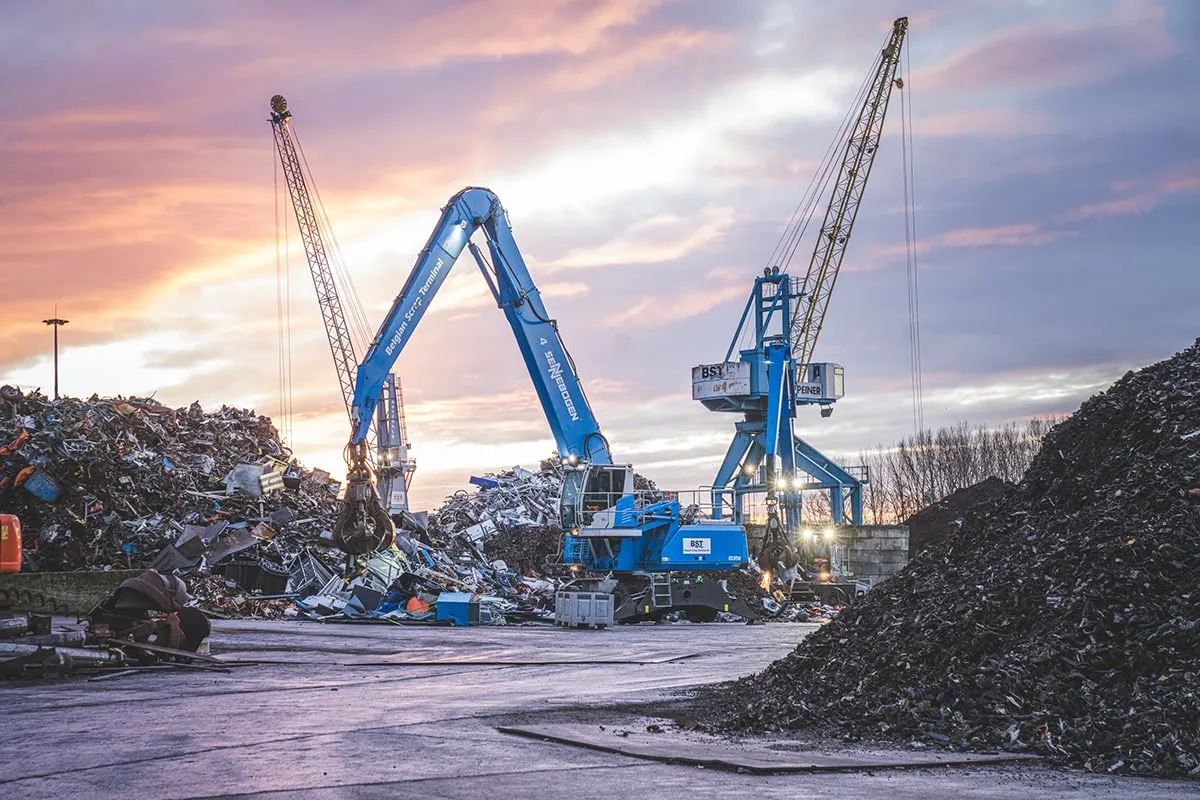
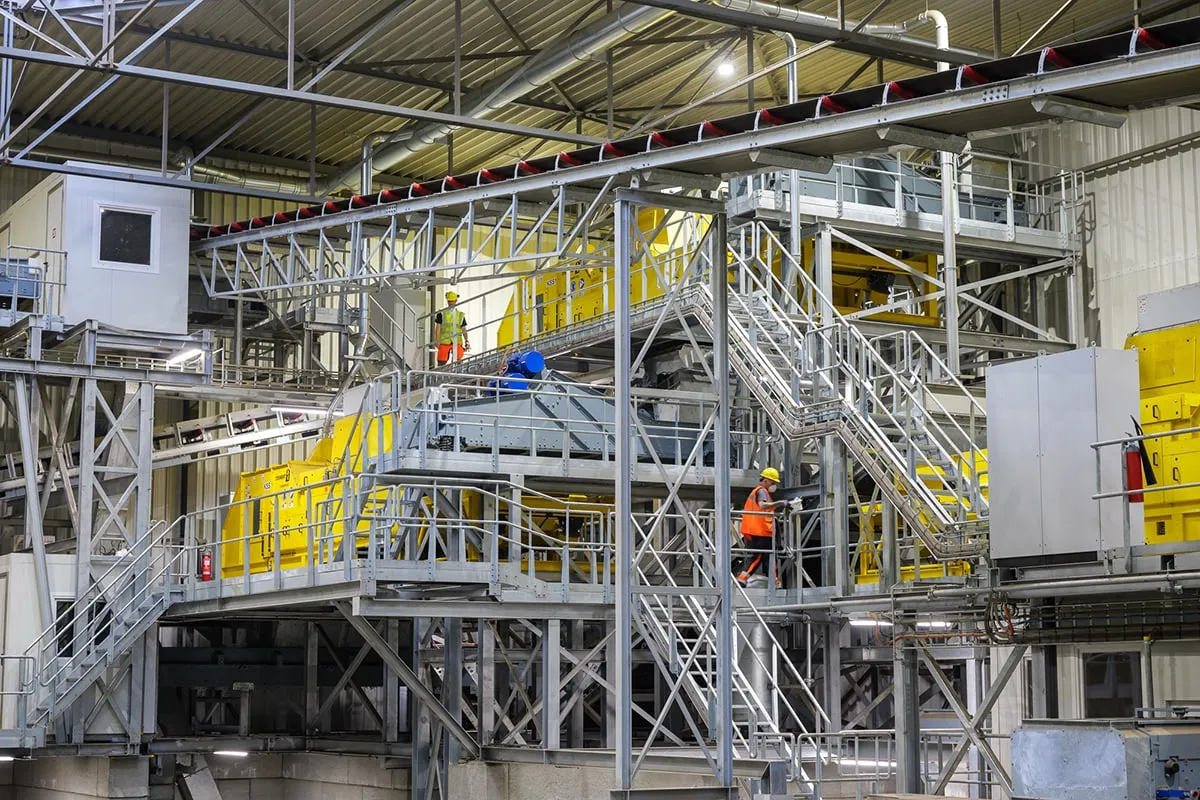
Looking back, Craenhals sees technological progress in recycling methods as a major development. “Twenty years ago, the EU introduced new legislation that gave a huge boost to the development of new recycling technologies,” she explains. BST is also continually innovating. Last year, the company invested €15 million in separating cast and wrought aluminium with different alloys. “Although demand for the finished product is not yet particularly high, we expect aluminium smelters to require increasingly pure materials in the future. We are keen to take a pioneering role. We need to separate and shred raw materials more effectively. The purer the secondary raw material, the better it can be used in the production process.”
Recycled content
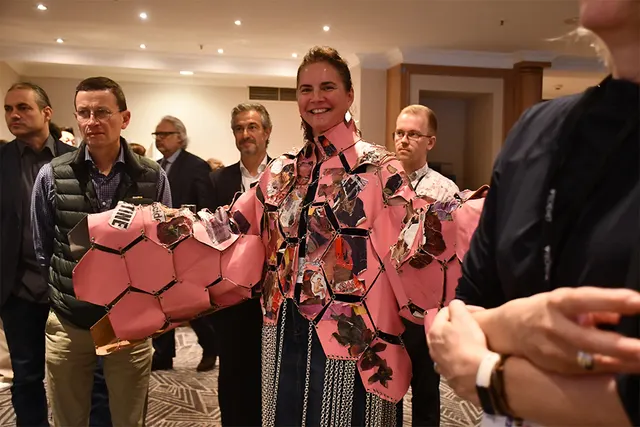
For Craenhals, using recycled materials in that production process is therefore a logical and crucial development in the recycling industry. “Everyone talks a big game about ecodesign, but in practice it is still limited to a few promising start-ups. For me, using recycled materials on a large scale is the first step towards putting ecodesign into practice. Adapting operational processes will take time. The positive thing is that we are seeing a change in mindset among producers. They are being woken up by the scarcity of raw materials, a problem that will only get worse.”
Local, green steel
The end product remains a global commodity. Craenhals says this brings both challenges and opportunities. “Global trends and macroeconomic factors such as wars, protectionism and price fluctuations inevitably affect your business. At the same time, globalisation has brought us prosperity in the past, and we must continue to embrace it.” Yet she also dreams of a stronger local industrial base, so that more products roll off the production lines here. “We already have a European Green Deal; it is high time for an Industrial Deal. Waste materials are already being used locally in production, but this needs to happen on a greater scale.”
One final point
Belgium is currently a leader in recycling. To maintain that position in the future, policymakers must support industry and make room for industrial innovation. Craenhals says: “Belgium is a rough diamond. I sincerely hope our next government realises this and continues to polish the diamond. We are ready to help and work together to lay the foundations for the future in a modern society.”
Question about this story? Ask your question
Keep following this
Get an email when a new story is published. No account needed.
- SubjectScrap metal