Cash ban on scrap: does it stand up legally?
Text Valérie CouplezImage iStock
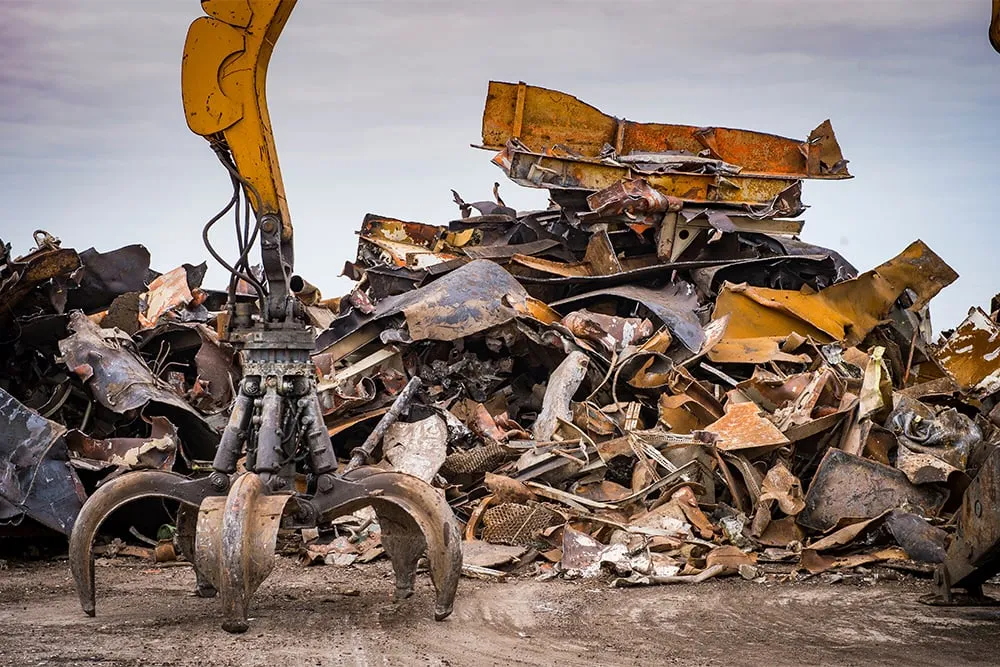
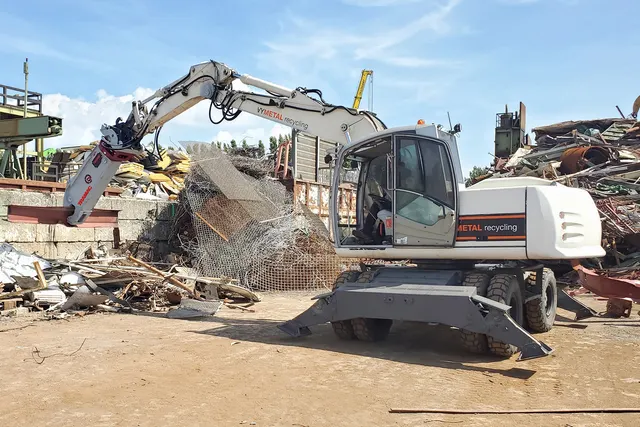
At the end of March, the scrap trade was caught off guard. It had a week to adapt to the new reality: from then on, it could no longer pay cash for loads of metals or goods containing precious materials. There were immediate fears that valuable raw materials would be lost to neighbouring countries, where cash was still being paid for them. Denuo therefore consulted Thomas Eyskens, lawyer and founding partner of Portico, to check whether the ban complied with all the legal rules.
Spoiler alert: asked whether this recent amendment to the law banning cash payments in the scrap trade poses a legal problem, Eyskens gives a categorical no. The lawyer, who has been practising since 2000 and specialises in public and administrative law, believes the legislator has made a strong case. “This actually goes back to the basic law of 2017, in which Article 66 has now been amended. In this country, cash payments of more than €3,000 are already prohibited for agreements between businesses. The rules are different for consumers, apart from a few specific products such as scrap metal, copper and goods containing precious materials. Article 66 still allowed an exception for consumers, provided the amount did not exceed €500 and the seller registered their identity.”
Ban circumvented in practice
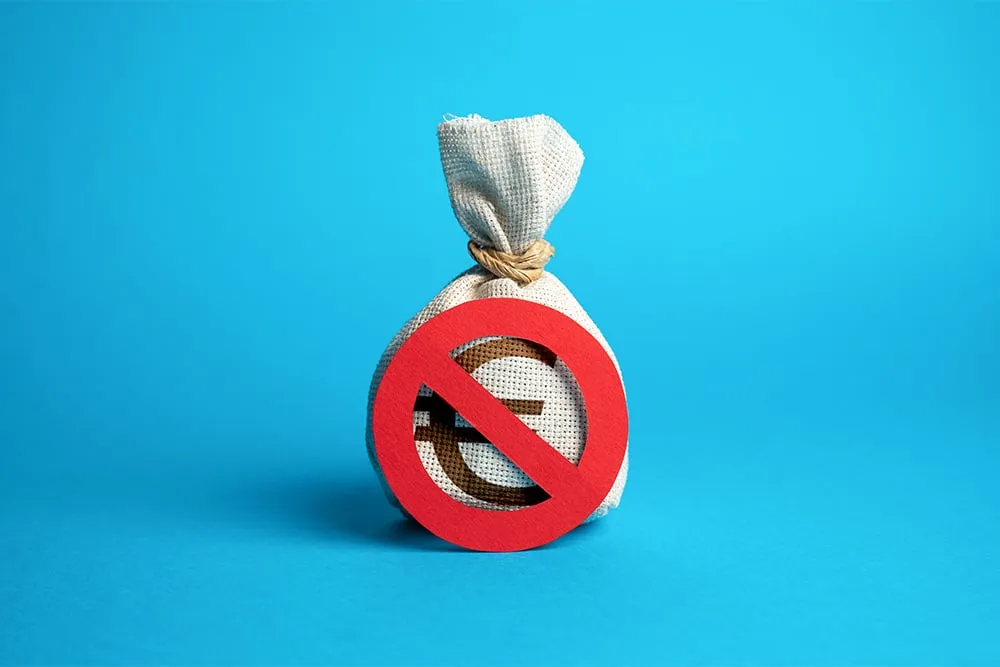
With that exception removed, there is now a blanket ban on cash payments for scrap metal, copper and goods containing precious materials. “To assess whether this is legally sound, you have to look at the division of powers and the principle of equality. In its reasoning, however, the legislator shows that it has considered the matter very thoroughly. The text sets out four arguments for why a total cash ban is an important step in tackling money laundering.” It has been established in practice, among other things, that professionals also used this exemption to circumvent the ban that applied to them. “In some cases, sellers are said to have withdrawn up to €1 million a year. That can no longer be considered private use. The so-called ‘salami technique’ is also used. By using different identity cards, people offer scrap metal in smaller batches to evade the ban,” Eyskens explains.
Electronic payments widely accepted
The legislator adds that this leads to distortion of competition. Those who do comply with the rules may be disadvantaged by the exemption that still applies. “In my view, this reasoning shows that the authorities have acted reasonably. It is an acceptable measure in the fight against a wider social problem. What is more, we all consider it normal for payments to be made electronically nowadays. This is also enshrined in law: since 17 March 2022, every business has been required to provide electronic payment methods. These should therefore already be available on the premises, which also removes any objection to the short notice period (the sector had a week to adapt).” And what about the risk of losing scrap metal to neighbouring countries? “That may be the case in border regions, but this is inherent in the way European rules are implemented nationally. Legally, it cannot be shown that the right to property has been interfered with unreasonably.”
Question about this story? Ask your question
Keep following this
Get an email when a new story is published. No account needed.
- ThemeRecovering metals and creating value
- SubjectScrap metal