Guidance on reporting substances of very high concern in waste
Text Valérie CouplezImage iStock
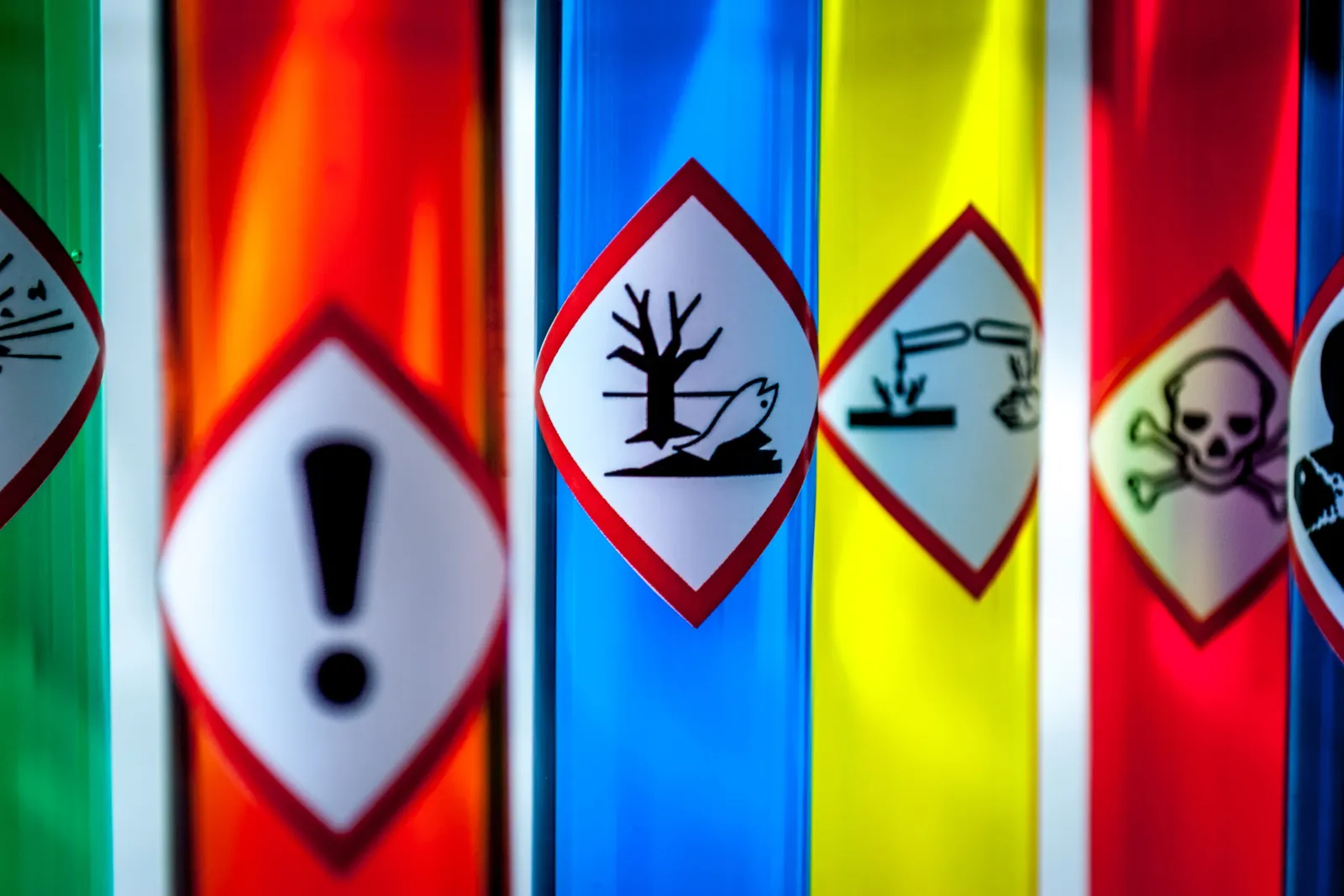
Extra attention to safety is essential in the waste and recycling sector. In this column, each edition will feature an initiative that puts safety first. From 1 July 2025, a reporting obligation for substances of very high concern applies in the Netherlands when waste is handed over. The national government has published explanatory guidance to address gaps in the decree. This is intended to provide greater clarity and ensure a level playing field.
The so-called ‘Reporting Decree’ states that companies disposing of waste (‘waste producers’) must provide the receiving waste company with the names (‘report’) of substances of very high concern (SVHCs) listed in their environmental permit and/or their Avoidance and Reduction Programme (VRP). The reporting obligation is intended to prevent information about SVHCs from being lost when waste is transferred. It contributes to transparency about waste composition and supports safe treatment, as well as appropriate policies to limit and assess the risks to human health and the environment posed by SVHCs in waste, and to determine what measures are needed to prevent adverse effects on people and the environment. If a waste company passes waste on to another waste company, it must also pass on the names of SVHCs reported by the previous waste producer(s).
Guidance to support implementation
The ministry has now drawn up guidance on the statutory obligation. It explains how companies can effectively meet the reporting obligation for SVHCs. The guidance helps determine whether the reporting obligation applies and how relevant information about SVHCs in waste should be shared. It has three aims:
- prevent ‘unnecessary’ reports (where SVHCs are not in fact expected to be present in the waste being handed over);
- provide a practical approach to reporting SVHC names;
- promote a level playing field. This means that companies handing over or receiving a particular type of waste for treatment will receive comparable requests from their competent authority (environmental service) to identify SVHCs.
This guidance does not apply to imports and exports of waste. The information requirements for these are set out in the European Waste Shipment Regulation (EWSR). The guidance is aimed at companies and institutions that hand over waste (waste producers) or treat it, and at competent authorities responsible for overseeing the proper treatment of waste.
Question about this story? Ask your question
Keep following this
Get an email when a new story is published. No account needed.
- SubjectSafety first