Safety benefits for recycling chromium-containing waste
Text Valérie CouplezImage iStock
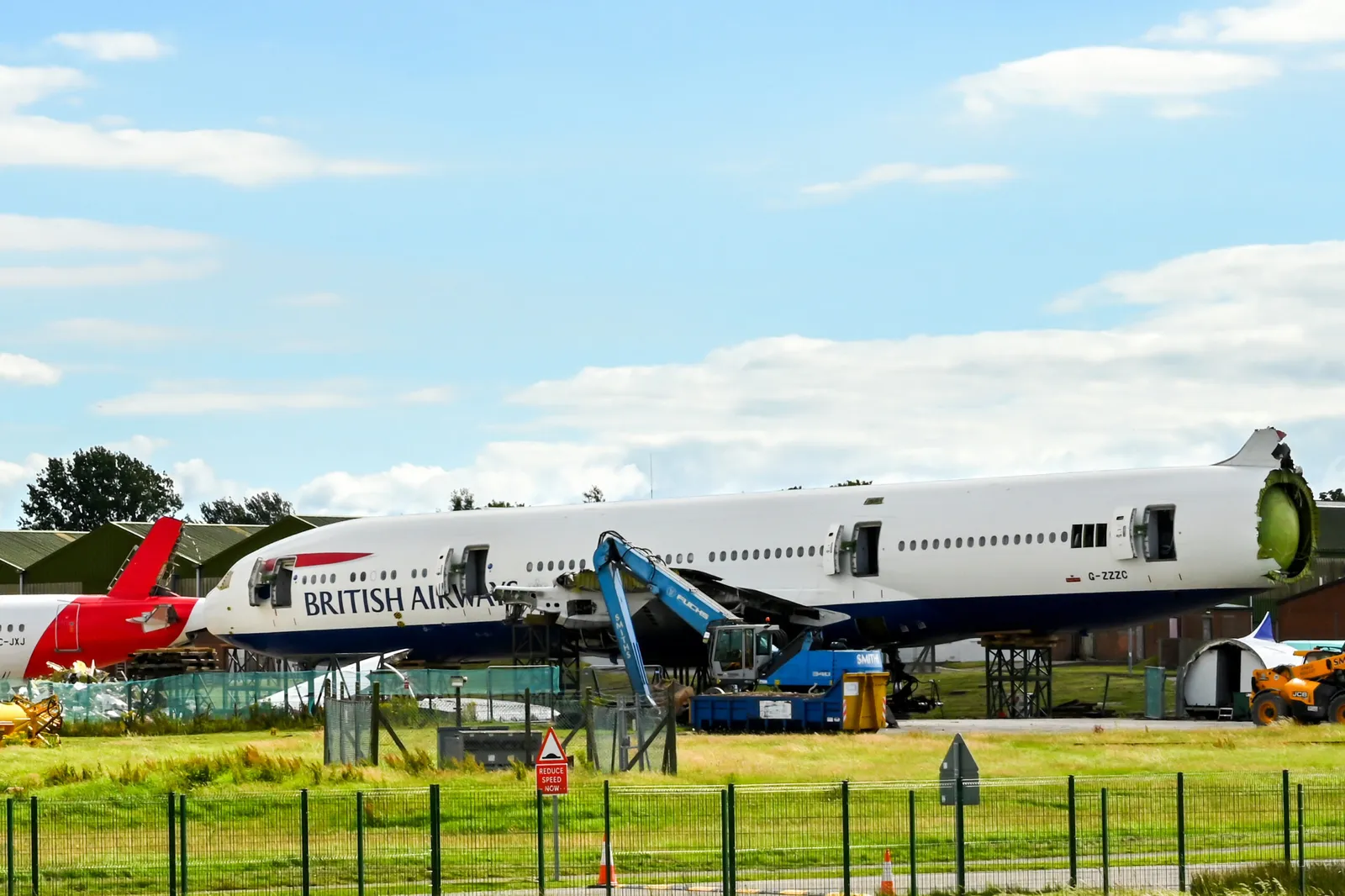
Greater attention to safety is essential in the waste and recycling sector. In this section, each edition will highlight an initiative that puts safety first. Aircraft are not ordinary scrap, and recycling them brings additional environmental and health risks due to the presence of chromium-6 in painted aluminium. The PANTHER project aims to develop innovative solutions that eliminate the need to remove paint before recycling.
Aluminium is considered a Critical Raw Material (CRM) in the aerospace sector because of its unique properties. Project PANTHER is a collaboration between Koninklijke NLR, SEEF BV, Aethos and industrial partner AELS, aimed at enabling safer processing of painted metal waste from end-of-life aircraft fuselage components to facilitate aluminium recycling. Chromium-6 (Cr(VI)) in painted aluminium from end-of-life aircraft poses environmental and health risks. Current technical restrictions and legislation hamper the safe handling and transport of this scrap metal. This blocks the value chain, preventing aluminium reuse from contributing to the circular economy. To address these challenges, PANTHER will:
- identify and resolve bottlenecks in the processing of painted metal waste;
- investigate chromium in dust, airborne particles and wastewater samples;
- study the leaching and reduction mechanisms of Cr(VI);
- identify gaps and inconsistencies in European (REACH) and Dutch legislation.
Towards greater aluminium reuse
The expected results include detailed process maps, analysis reports and recommendations to minimise emissions and ensure best practices for operational safety and environmental protection. By developing innovative solutions that eliminate the need to remove paint before recycling, significant safety, waste management and cost benefits can be achieved when recycling chromium-containing waste. In the long term, reusing secondary aluminium will support EU supply, reduce greenhouse gas emissions from primary production and establish a compliance framework for a more stable aluminium value chain. These results will benefit the aviation, aerospace, defence and construction sectors.
Question about this story? Ask your question
Keep following this
Get an email when a new story is published. No account needed.
- ThemeRecovering metals and creating value
- SubjectSafety first