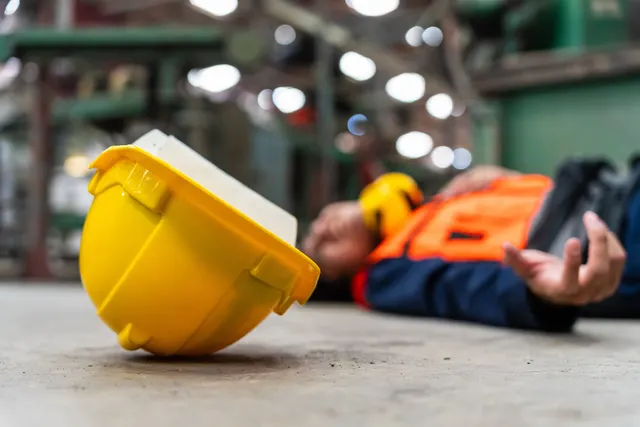
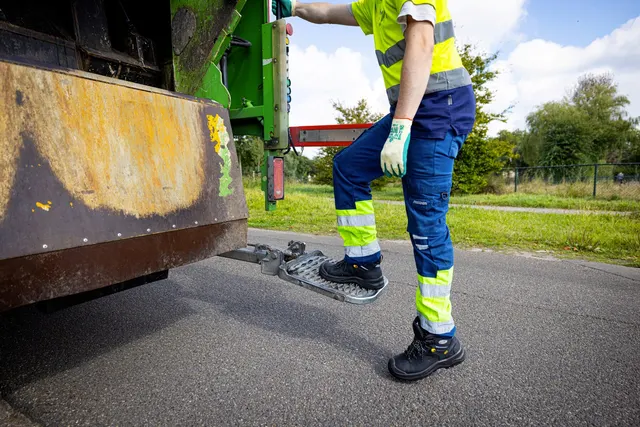
Most recycling accidents involve contact with moving machine parts
Text Valérie CouplezImage iStock

A sharper focus on safety is essential in the waste and recycling sector. In this section, each edition will highlight an initiative that puts safety first. The latest figures from Fedris, Belgium’s federal agency for occupational risks, featured last time, showed why we must not let our focus on safety slip. This edition looks at the figures for the Netherlands. The latest data from the Storybuilder database of the National Institute for Public Health and the Environment cover the period from 1998 to 2014 inclusive. They relate to occupational accidents investigated by the Netherlands Labour Inspectorate.
A total of 573 people injured in waste treatment and recycling accidents are included in the database. Most of them are men (98%). The Storybuilder database only includes accidents that must be reported and were actually reported to the Inspectorate SZW. These accidents often have serious consequences. In 79% of cases, the injured person is admitted to hospital and has to stay overnight or longer. In 16% of cases, there is no hospital admission. The outcome is unknown in the remaining 5%.
Contact with moving parts
A range of measures and resources are needed to ensure safe working in an organisation. The organisation provides these measures, and the employees concerned use them. It is also important to maintain safety measures, keep them in good working order and ensure they are monitored. The Storybuilder database provides a broad overview of the underlying causes of accidents. Contact with moving machine parts is the type of accident most frequently recorded in the database for this sector, accounting for 119 accidents.
Physical guarding fails
Physical guarding of the moving part is always a factor in these accidents. There are various ways in which this guarding can fail. For example, it was:
- Not provided (at least 36% of accidents in this sector);
- Removed or disabled (at least 11% of accidents in this sector);
- Inadequate (at least 29% of accidents in this sector);
- Bypassed (at least 7% of accidents in this sector);
- Damaged (at least 3% of accidents in this sector).
Question about this story? Ask your question
Keep following this
Get an email when a new story is published. No account needed.
- SubjectSafety first