












Working together to maintain Belgium’s leading position in tyre recycling
Text Saar BenteinImage Recytyre
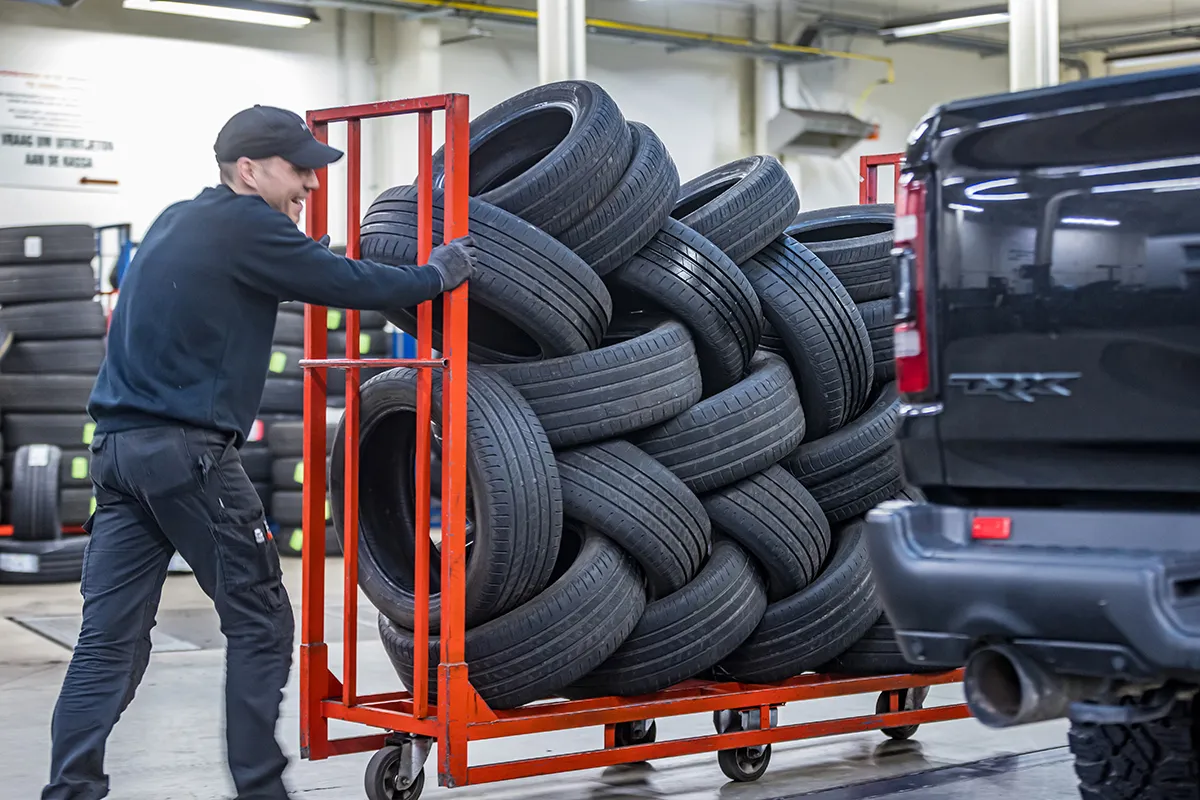
Recytyre, responsible for collecting and processing end-of-life tyres in Belgium, celebrates its twentieth anniversary in 2025. With around 88,000 tonnes of tyres collected each year and a material recovery rate of 99.97%, Belgium is performing exceptionally well in tyre recycling. “We can be proud of what we have achieved so far, but we also need to keep in mind the challenges ahead”, says Chris Lorquet, CEO of Recytyre. He was one of the people who helped establish the organisation.
Recytyre started out twenty years ago with two people and one goal: to collect as many end-of-life tyres as possible and reuse their raw materials through material recycling. That goal has remained unchanged, while the team has grown and results have increased exponentially. “At the outset, more than 50% of tyres went for energy recovery. They were burned and the energy was used by the cement industry. Today, that figure is less than 1%, and almost 100% of the materials are reused. It’s a world of difference.” Since its establishment, Recytyre has operated on a free-market basis. Anyone wishing to collect end-of-life tyres can enter into an agreement with the management organisation. “The free market should be allowed to operate”, Lorquet stresses. “But it does make it harder to meet our targets for reuse and retreading, because many collectors lack the resources and infrastructure to sort out tyres that can still be reused.” Later this year, Recytyre will launch a promotional campaign for retreading truck tyres. “You don’t buy a new tyre, so you don’t pay an environmental contribution. During the cashback campaign, we’ll refund the amount of that environmental contribution for every retreaded tyre. So you benefit twice. We hope this financial incentive will encourage sustainable retreading choices in a competitive sector.”
Seeking new markets
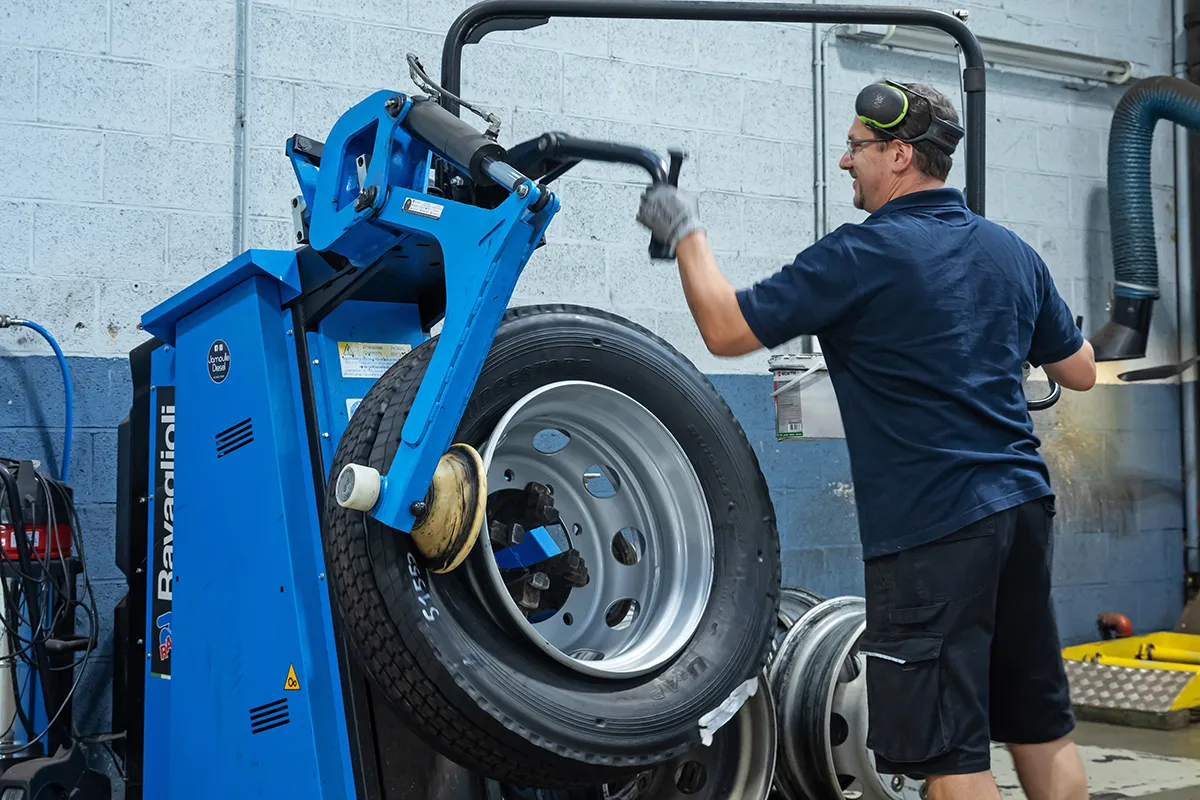
Today, 80% of recycled rubber granulate from end-of-life tyres is used as infill on sports pitches. From 2031, however, the use of rubber granulate or polymers on synthetic sports pitches will be banned. The rubber granulate already in use will also need to find a new destination. “This is a major challenge for our sector. We will need to find new markets for these huge quantities of granulate”, says Lorquet. One possible solution is pyrolysis, an innovative recycling method in which tyre shreds are heated without oxygen. The process produces pyrolysis oil, a product with a wide range of potential applications. At the same time, the composition of tyres is becoming increasingly complex as the use of recycled material grows. “Mechanical recycling will continue, but in the long term it will not be enough. Chemical recycling will be a real game-changer, and we are convinced of that. Through GREEN.er, a fund we established within the King Baudouin Foundation, we have already supported several R&D projects on chemical recycling.”
Pulling in the same direction
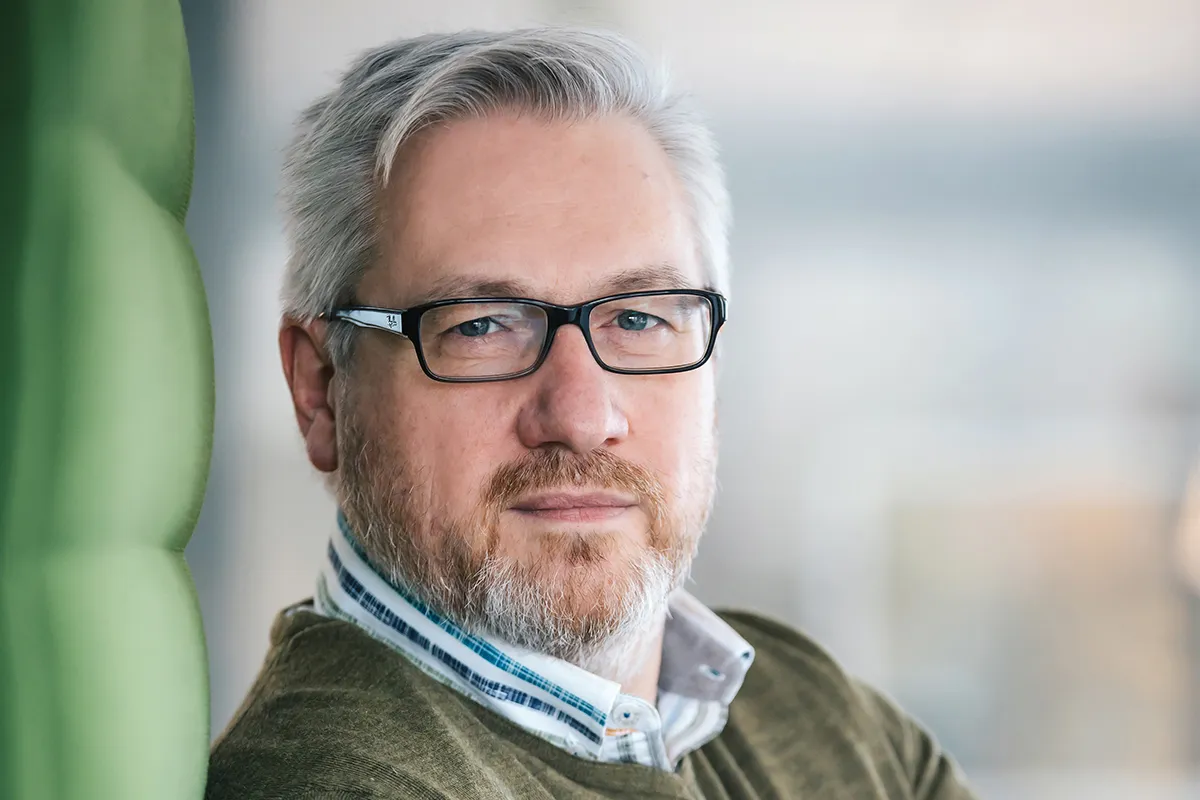
What does the future hold for Recytyre? “Our system works well, but we want to do better than expected”, says Lorquet. Recytyre is also focusing on the agricultural sector, among others. “Tyres in this sector often lie unused. Together with external partners, we are looking at ways to develop a product, for example, made from recycled rubber and used to cover silos, in exchange for end-of-life tyres.” Lorquet believes, however, that a clear legislative framework is crucial to maintaining Belgium’s leading position in recycling. “The lack of a coordinated vision, harmonised terminology and aligned targets are currently obstacles to implementing a uniform Belgian system. That is why we want to engage actively with policymakers to make them aware of the benefits of ongoing consultation, which we believe is the only way to improve the sector’s efficiency. If we work together and pull in the same direction, we can make Belgium a truly sustainable circular hub.”
Question about this story? Ask your question
Keep following this
Get an email when a new story is published. No account needed.
- SubjectWaste streams







