Best available techniques for waste treatment
Text Valérie CouplezImage iStock
VLAREM requires operators of classified establishments to apply the best available techniques (BAT) at all times, as a normally prudent person, in order to protect people and the environment. But what are they? Since 2022, a study by VITO’s BAT Knowledge Centre (Flemish Institute for Technological Research) has been working to define them for the waste treatment sector in Flanders. Denuo Advisor Kristof Bogaert tells us what is currently on the table.
Before looking at the details, it is worth setting out the context. The EU has its IED legislation, the Industrial Emissions Directive, which covers, among other things, waste incineration, emissions from large combustion plants and emissions of volatile organic compounds. These are set out in BREF documents, which describe the most environmentally friendly techniques a company can use. BREF stands for BAT (Best Available Techniques) Reference. Since 2022, EU member states have been required to implement the European BREF for waste treatment. Flanders has opted for its own version in the form of a BAT study, offering more context and covering more than just large installations. This is not the first of its kind: a whole series of BAT studies already exists.
New BAT study
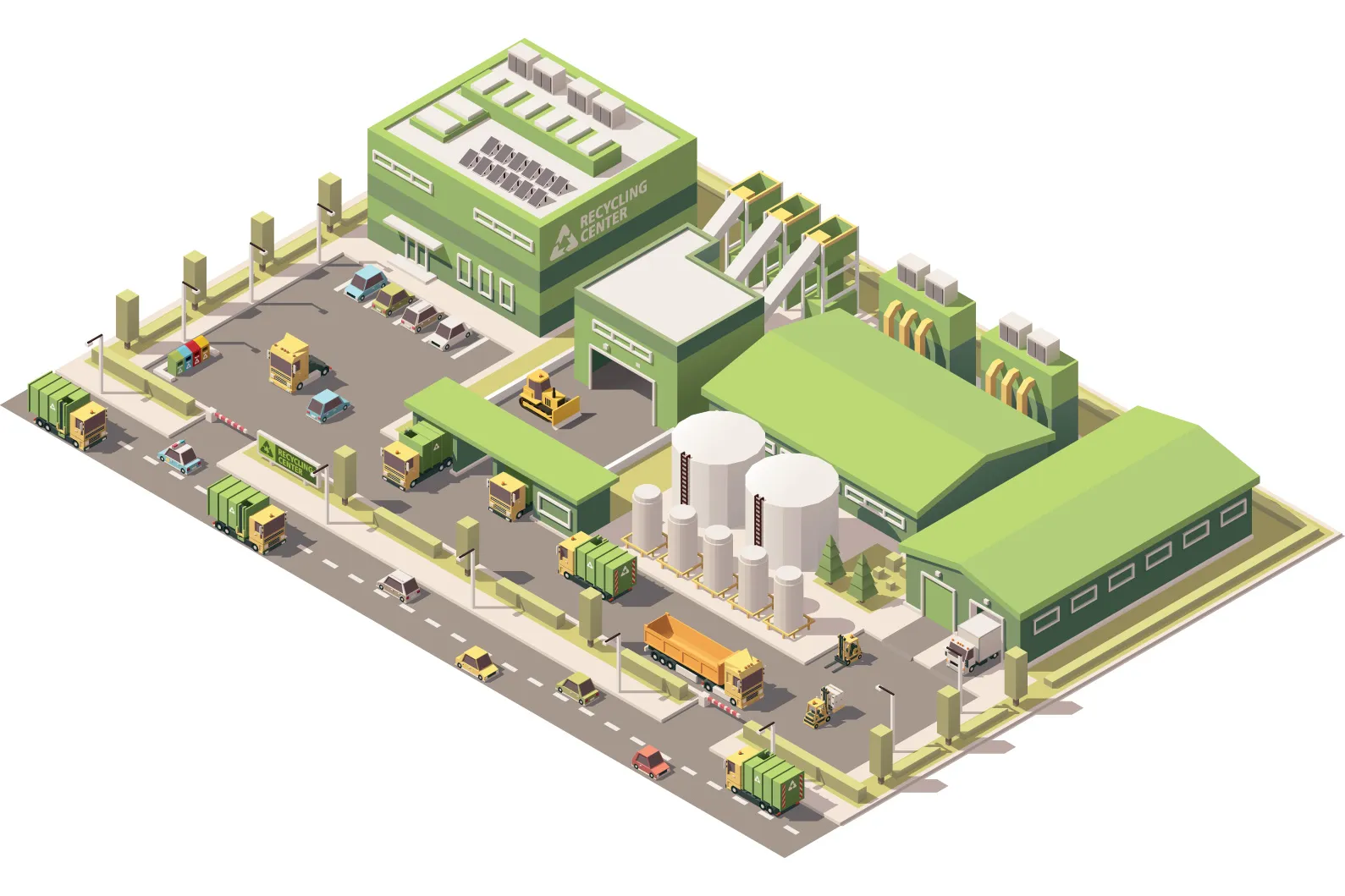
The study in question is the ‘BAT study on dust, odour and/or VOC abatement in physico-chemical and mechanical waste treatment’. A steering committee is set up for each BAT study, with representatives from, among others, the Flemish Government and the relevant sectors. This new BAT study will examine processes involved in physico-chemical and mechanical treatment that generate dust, odour and/or VOC emissions. A BAT analysis will then be carried out. Safety aspects will also be taken into account, alongside the best available techniques.
Broad scope
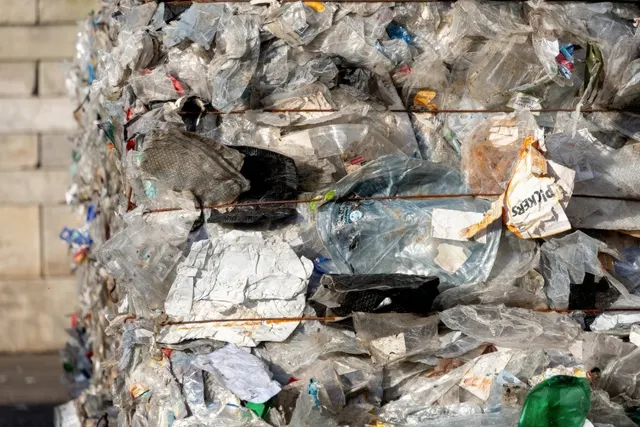
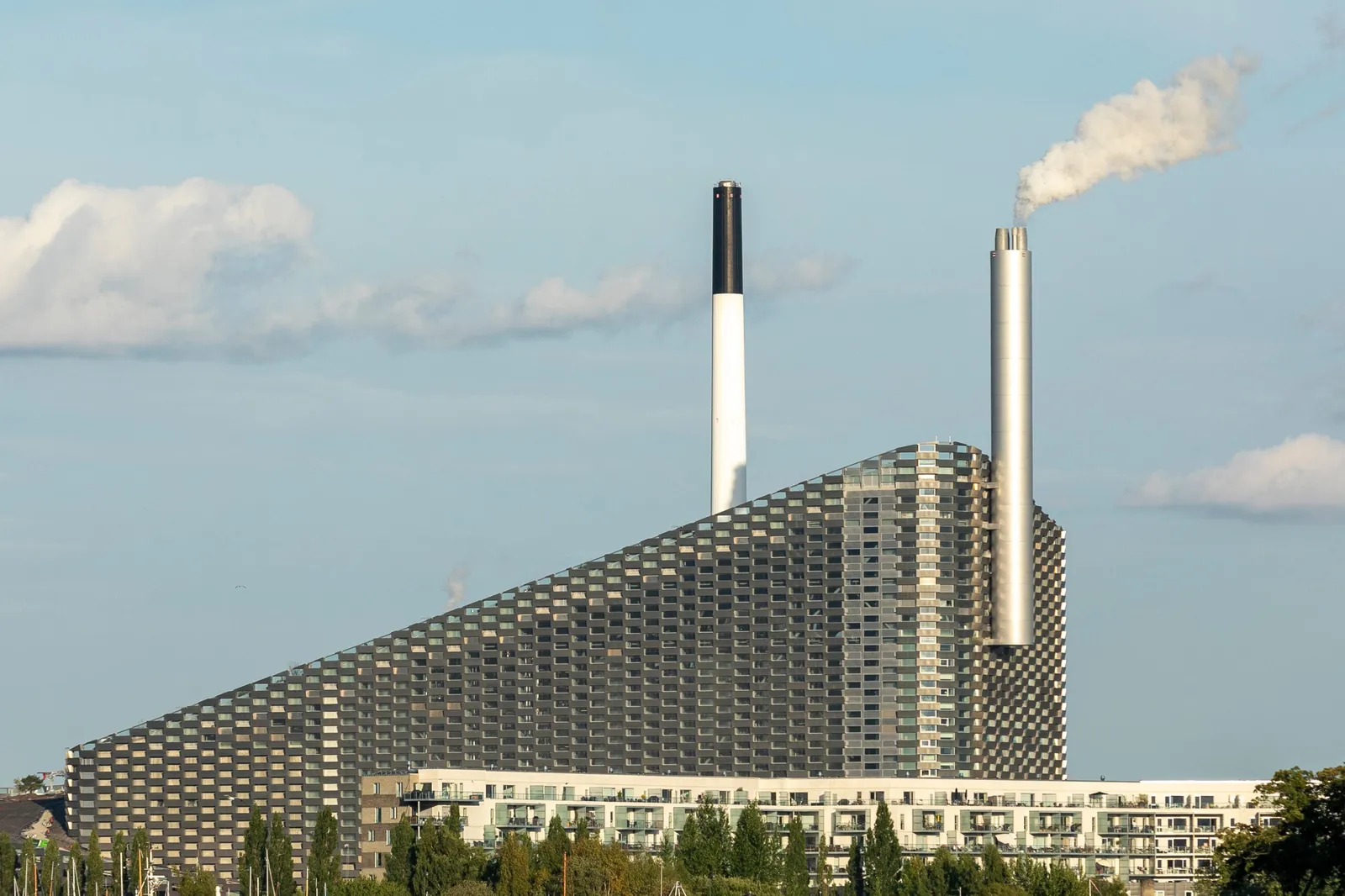
It is a complex technical dossier. “The toughest nut to crack is deciding what will fall within its scope,” Bogaert begins. “Shredders operating in metal recycling certainly will not, as they can refer to their own BAT study. The scope is currently very broad, covering 19 waste streams, including glass, wood, paper and cardboard, plastics, gypsum and textiles. The potential impact is therefore significant: many companies will be required to implement these BAT conclusions. However, the European requirements introduced in 2022 already apply to larger installations. It will mainly be smaller SMEs that need to check whether their dust control measures are still adequate. That is why we are making a strong appeal to recycling companies to get involved in the steering committee. It is an iterative process, with each version discussed by the various stakeholders to reach a consensus. We need input from people on the ground to get this right. It is now or never. The government intends to finalise the study in 2025. Once the rules are set, they will not change.”
Sticking point: fugitive emissions
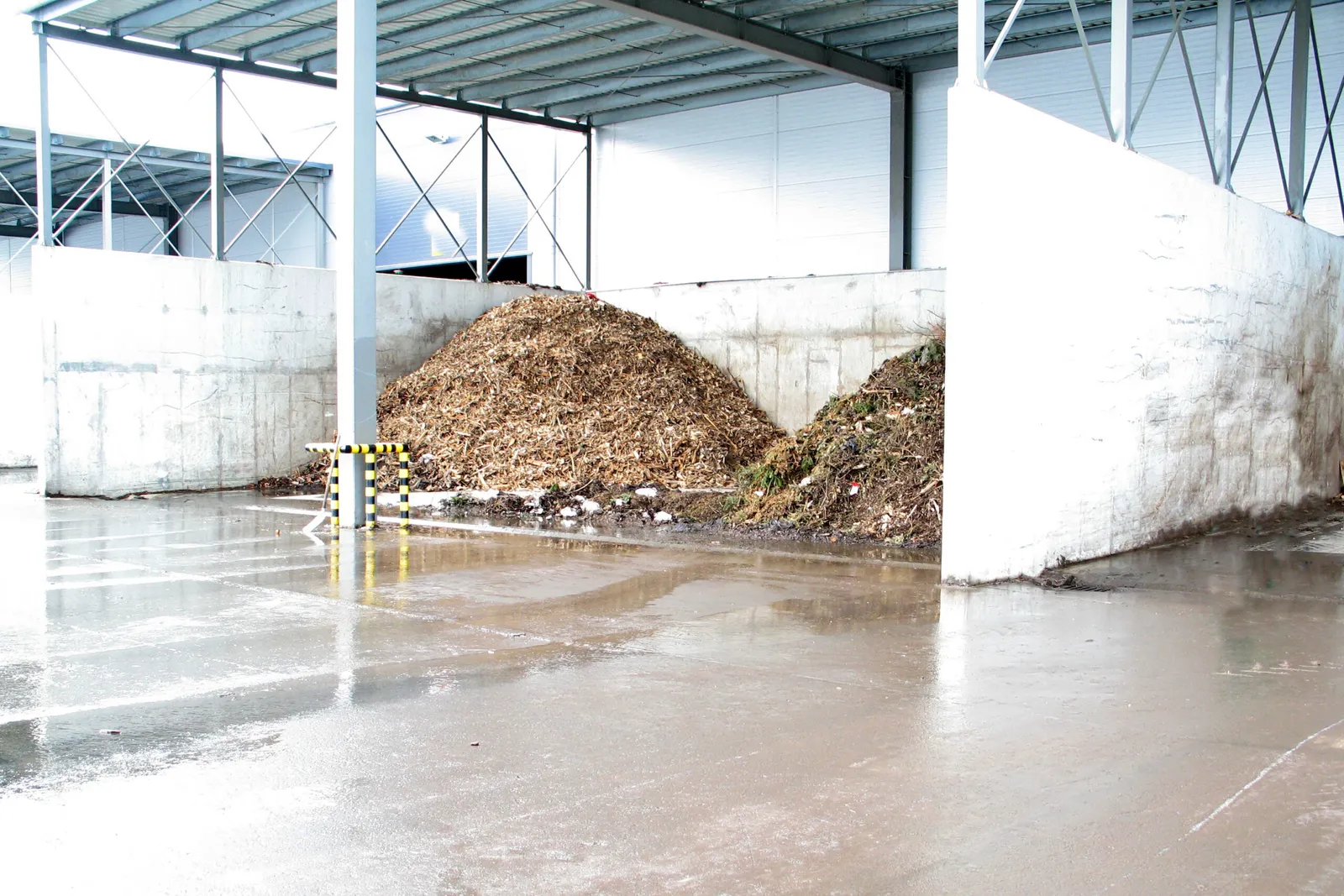
The starting point is always one of three options. “Either the BAT conclusions are set and apply in all circumstances. Or they are required only in specific situations. Or it is not possible to set a BAT conclusion. So there is a degree of flexibility. The main sticking point concerns diffuse emissions.” To understand this, we need to go back to the European BREF. “This particular study contains a conclusion (14d) on whether working under cover should be mandatory. The EU wording has caused considerable debate in the sector, particularly among enforcement authorities. As a result, aGOP wants a Flemish version of the study to clarify certain issues and also make requirements mandatory for companies outside the scope of the IED.”
Not everything should be standardised
When must waste be transferred and stored under cover? And how far should you go? “In an ideal world, all waste would be treated in an enclosed building. The reality, of course, is different. Sometimes this is not technically possible, but sometimes it is simply not necessary. Reconciling the positions of the government and companies will require a careful balancing act.” Bogaert encourages debate. “That is why it is good that the BAT conclusions leave room for a case-by-case judgement. You cannot prescribe everything in a standard. But they do provide the right baseline of techniques to bring a rational approach to the dialogue.” Depending on how smoothly the discussions progress, the aim is to finalise the texts by the end of the year. “They will probably come into force in 2026. Companies applying for a new permit in Flanders or seeking to renew an existing one will need to make sure everything is in order.”
Question about this story? Ask your question
Keep following this
Get an email when a new story is published. No account needed.
- SubjectWaste streams