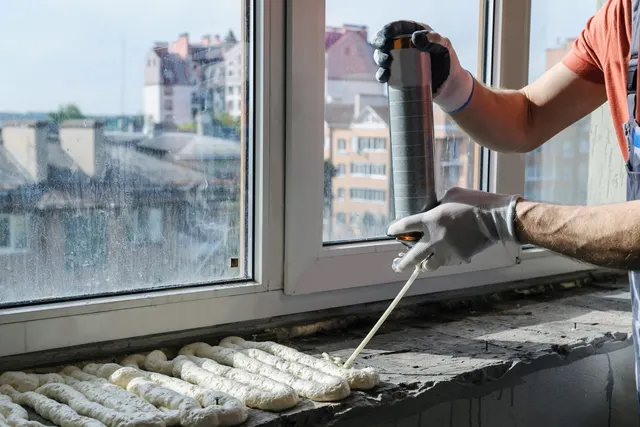
Composites under pressure
Text Kris VandekerckhoveImage Nederman
Composite materials such as glass fibre and carbon fibre reinforced plastics are ubiquitous. They are lightweight, strong and durable, making them ideal for applications in aerospace, mobility, wind energy and construction. But processing and recycling them presents a technical challenge that is often underestimated: fine dust. These particles are not only harmful to health, but can also create an explosive atmosphere in certain conditions.
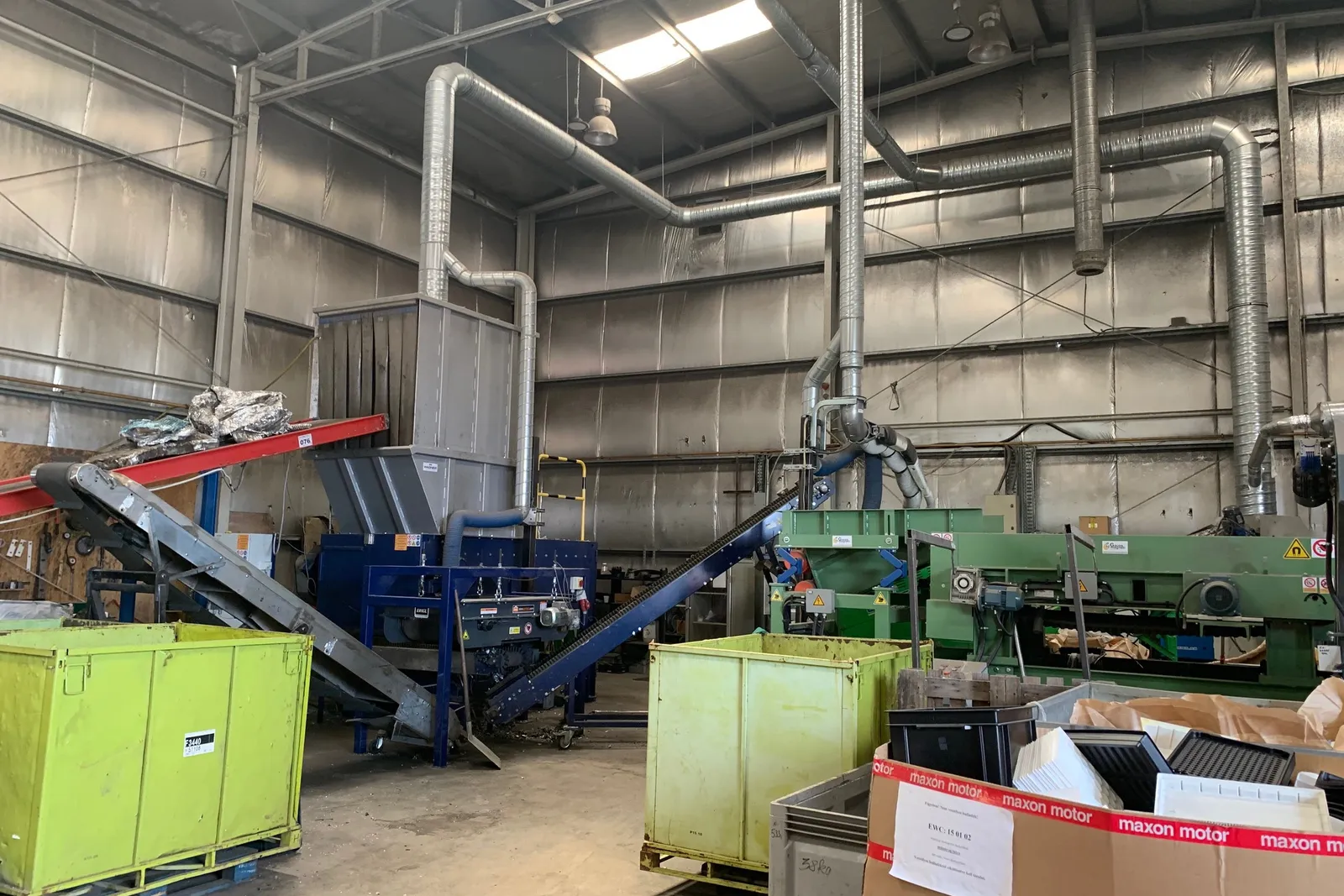
Huge quantities of fine dust are released during mechanical processes such as sawing, grinding and milling. Dust levels are even higher in recycling, for example when composite waste is shredded or reprocessed. “It is precisely these fine, barely visible particles that pose the greatest danger,” says Gunther Maes, Sales Manager Configured Solutions at Nederman. “They can accumulate in machinery, on electrical components or in air ducts. And if the dust is combustible, the risk of a dust explosion becomes real.”
ATEX: more than a label
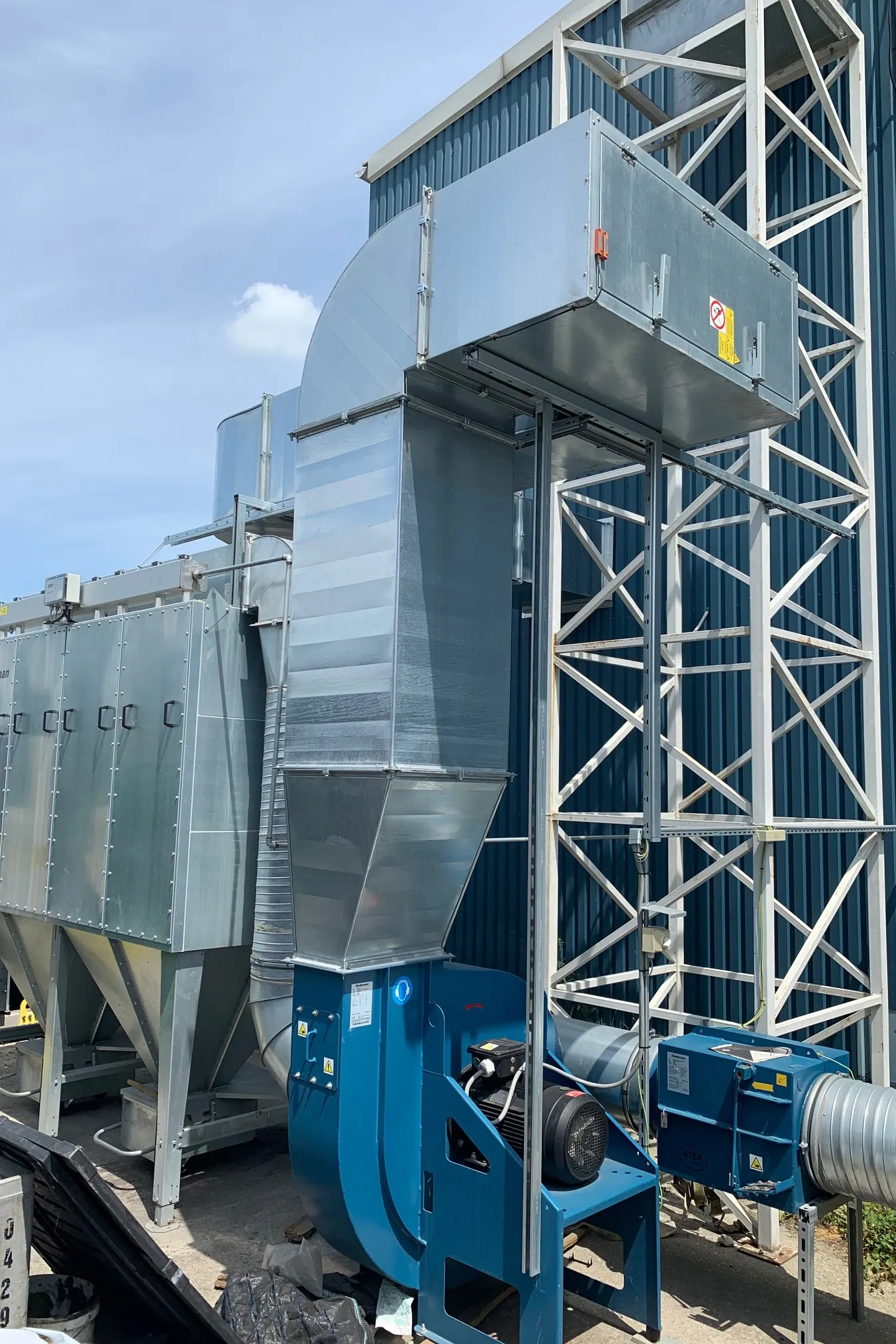
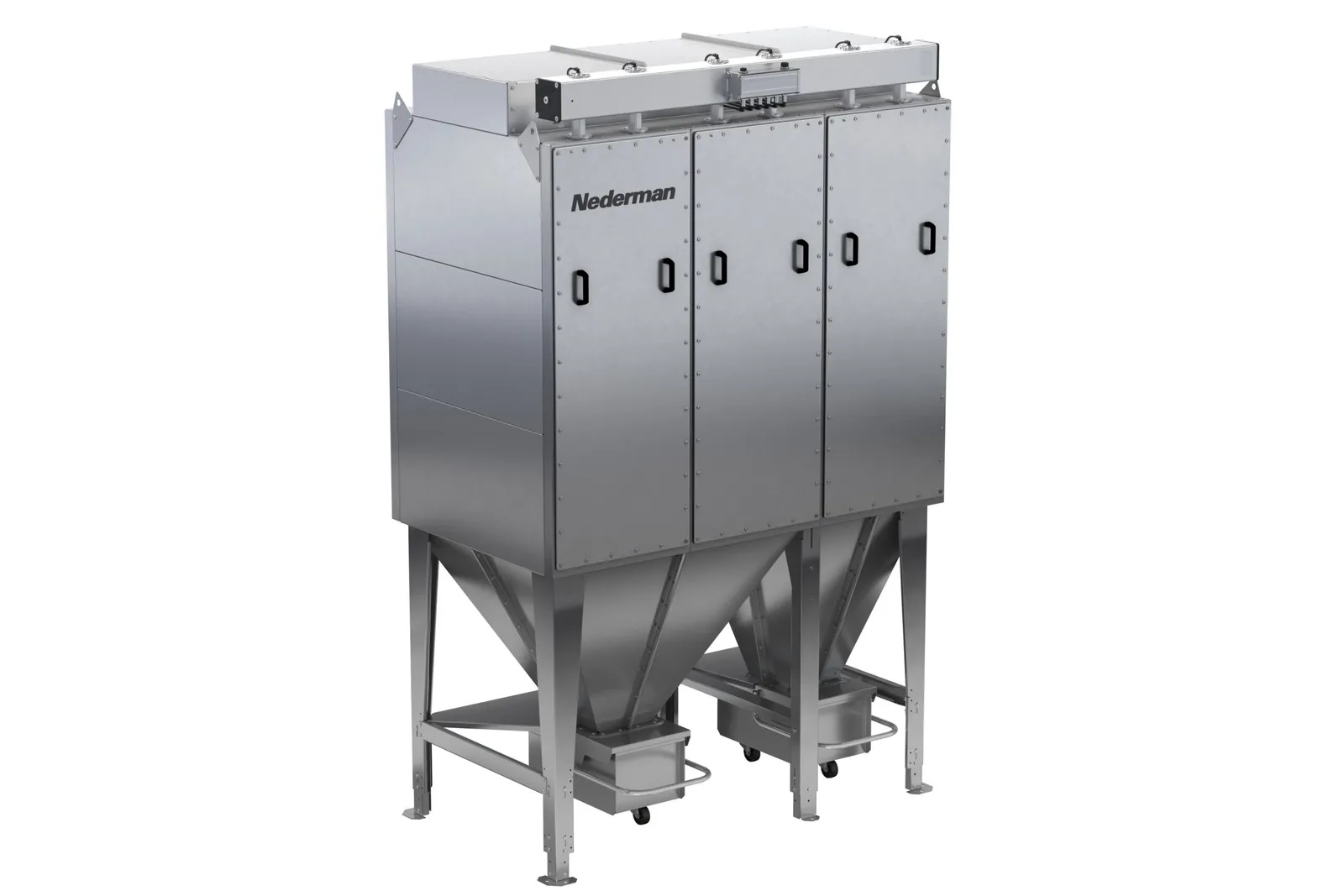
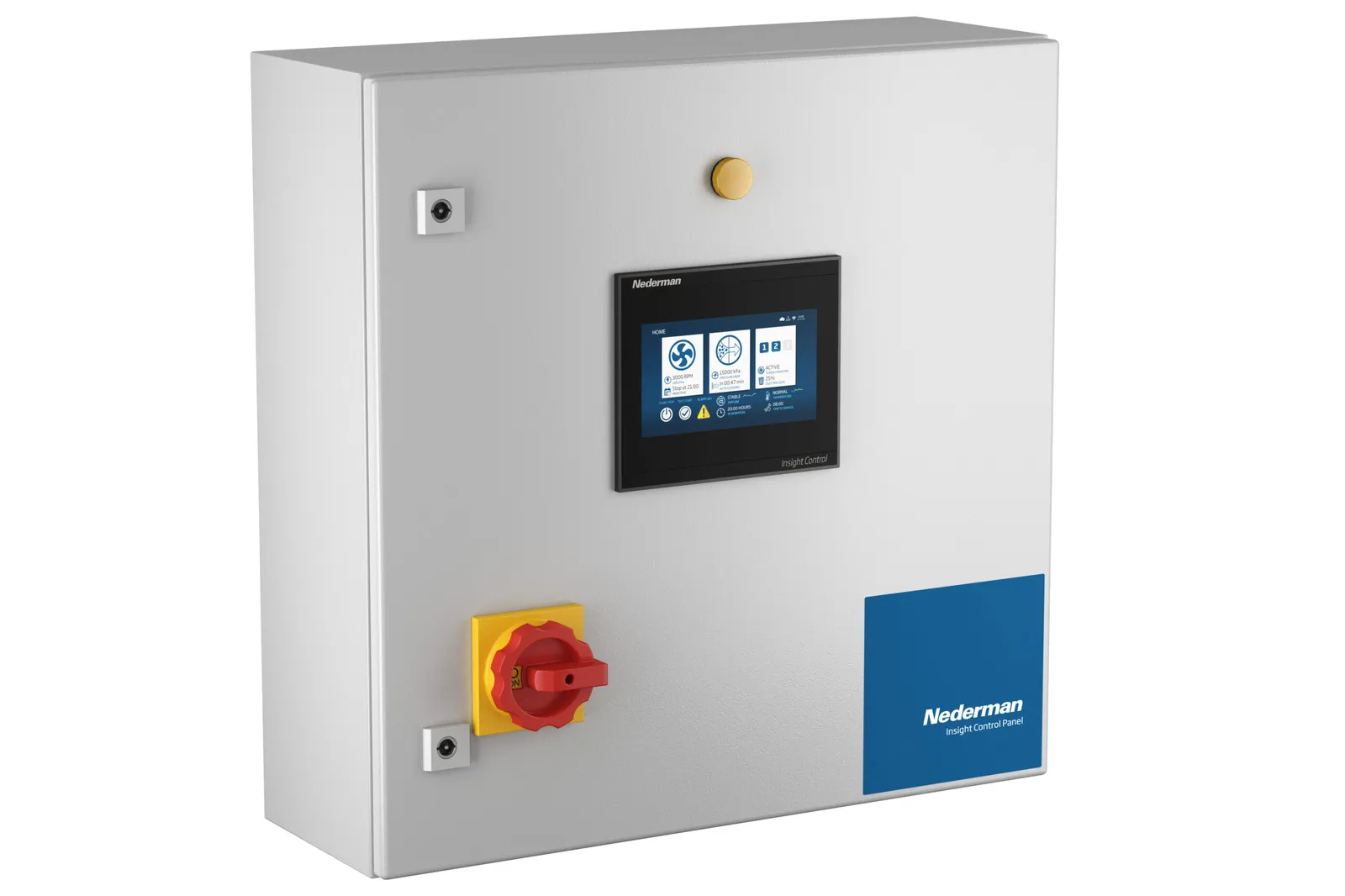
In Europe, such risks are covered by the ATEX directives. They require companies to classify their work areas according to explosion risk (Zone 20, 21 or 22) and take appropriate measures. “Companies often think they are compliant because they have an ATEX-approved vacuum cleaner on site,” Maes notes. “But it goes beyond that. You have to evaluate the entire process, from source extraction to filter technology, and from air transport to disposal.” At Nederman, this means designing solutions that extract dust directly at source, combined with explosion-protected components such as non-return valves, pressure relief, antistatic ducting and earthing. Systems such as the MCP SmartFilter are then equipped with sensors to monitor flow rates, filter saturation and pressure drop. This enables operation that is not only safe, but also energy-efficient.
Composite recycling: complex and multilayered
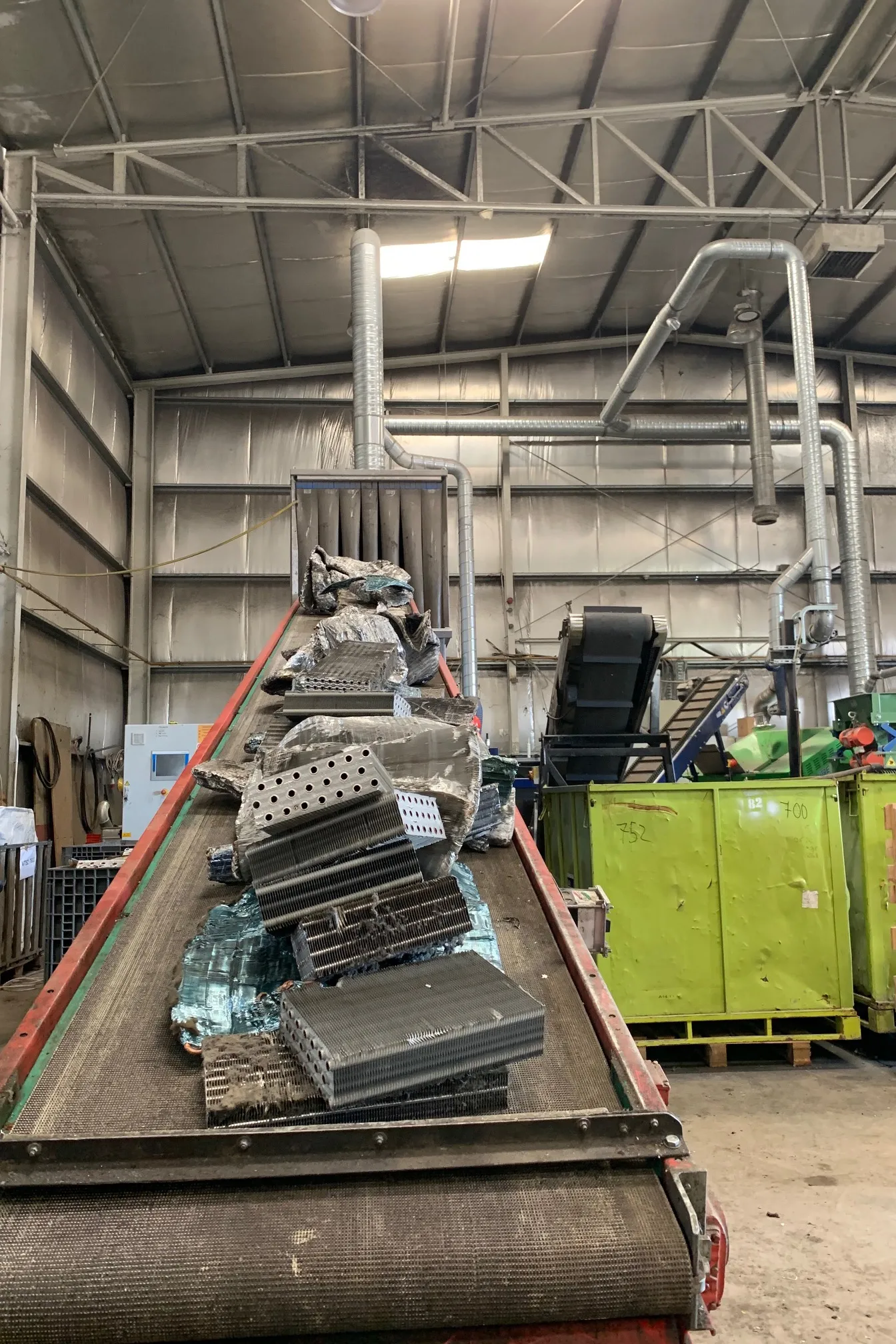
Composite recycling is still in its infancy from a technical perspective. Many initiatives focus on thermoplastics, which can be reprocessed using heat, or on recovering fibres. These processes involve breaking, shredding, heating or chemical separation, all of which generate dust, vapours or gases. “What we often see is that recycling companies focus on the processing plant, while treating extraction as something to be added later,” says Maes. “That is risky. Without carefully designed extraction, you are literally building a ticking time bomb, especially when handling larger volumes or mixed streams whose exact composition is not always known.”

Working smarter and more safely
Ergonomics and ease of maintenance also play a role, alongside explosion protection. By limiting dust concentrations, wear on machinery is reduced, air quality for employees improves and the risk of breakdowns falls. “Every gram of dust you do not have to clean up saves time and money and improves safety,” Maes sums up. There is another benefit too: monitoring dust data also makes it possible to plan maintenance proactively and optimise energy consumption. Smart modules extract dust only where and when needed. “We now offer extraction systems that adapt to actual usage,” Maes explains. “That is not only sustainable, it also reduces the Total Cost of Ownership.”
Een zakelijke vraag aan NEDERMAN? Get in touch
Companies in this story
Keep following this
Get an email when a new story is published. No account needed.
- SubjectWaste streams
- CompanyNEDERMAN