Getting tar-containing waste out of the chain
Text Valérie CouplezImage COPRO
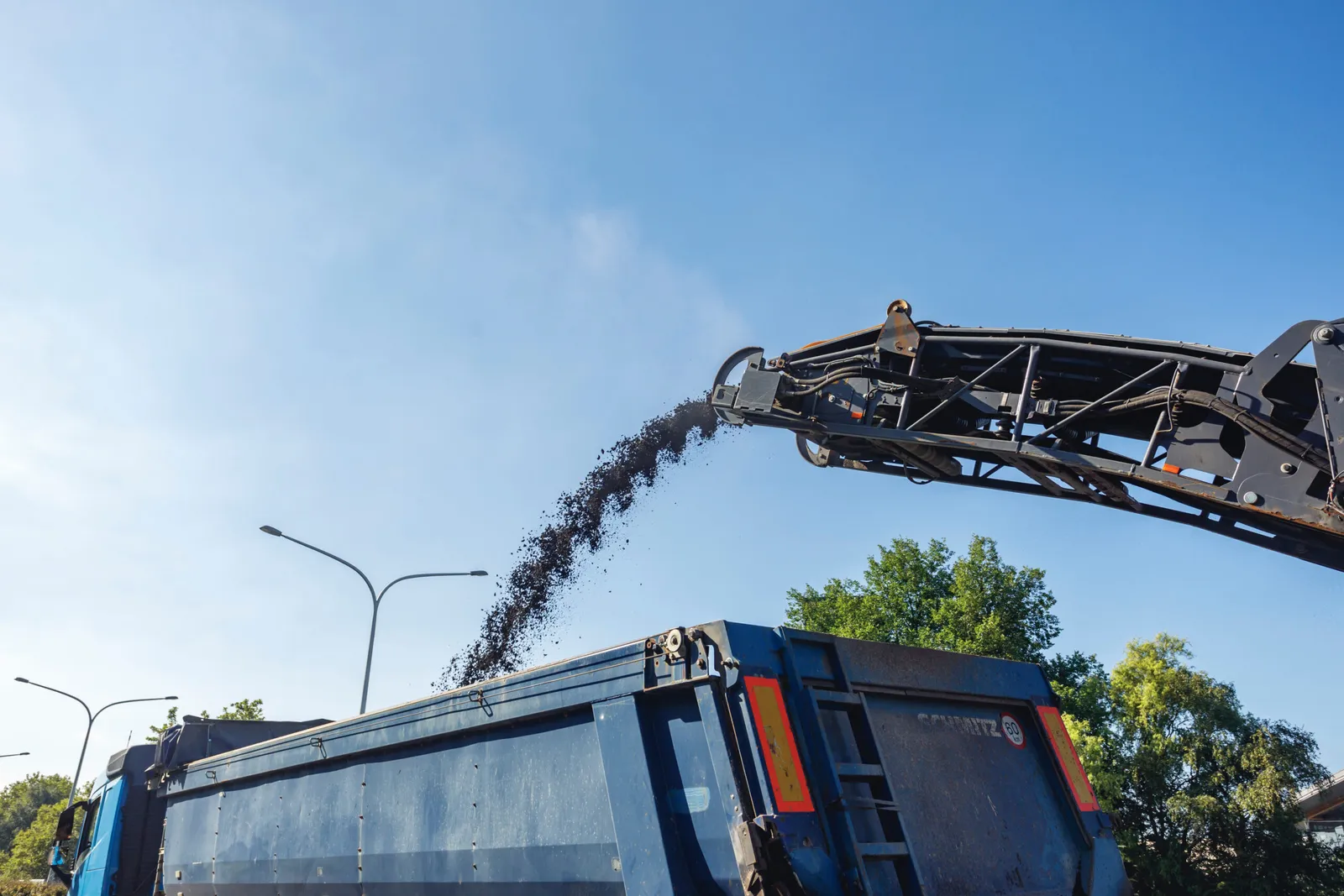
In 2014, Flanders decided to remove tar from the chain permanently. This means asphalt pavements containing tar or pitch bitumen cannot be given a second life in our roads, at least not directly. The material must first undergo thermal cleaning before it can safely re-enter the chain. COPRO oversees the monitoring and certification of its removal. For almost two years, the procedure has been digital. An assessment with COPRO unit manager for bituminous and related products Dirk Lacaeyse.
In September 2023, COPRO launched the Digitar platform, an online tool to simplify the procedure for the certified removal of tar-containing asphalt. “At the time, it was a complete change. Everyone was used to working on paper. But that meant documents had to be sent back and forth countless times. It was inefficient, and people often had to wait until the right document, with the right signatures, was available. By going digital, we wanted to change that. Digitar is now well established. User feedback describes it as a user-friendly and fast tool. That was our ambition.”
Order delivery notes in good time
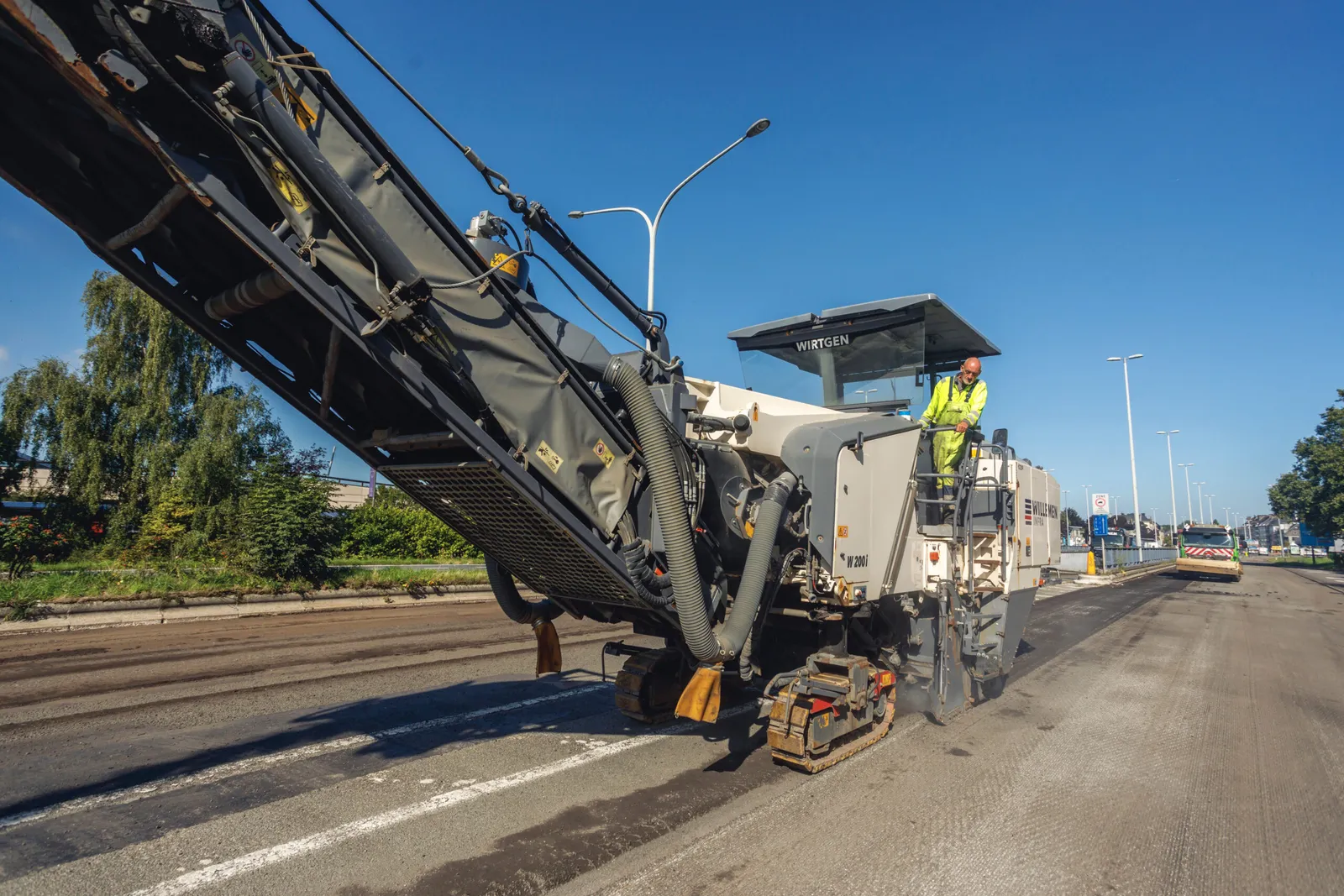
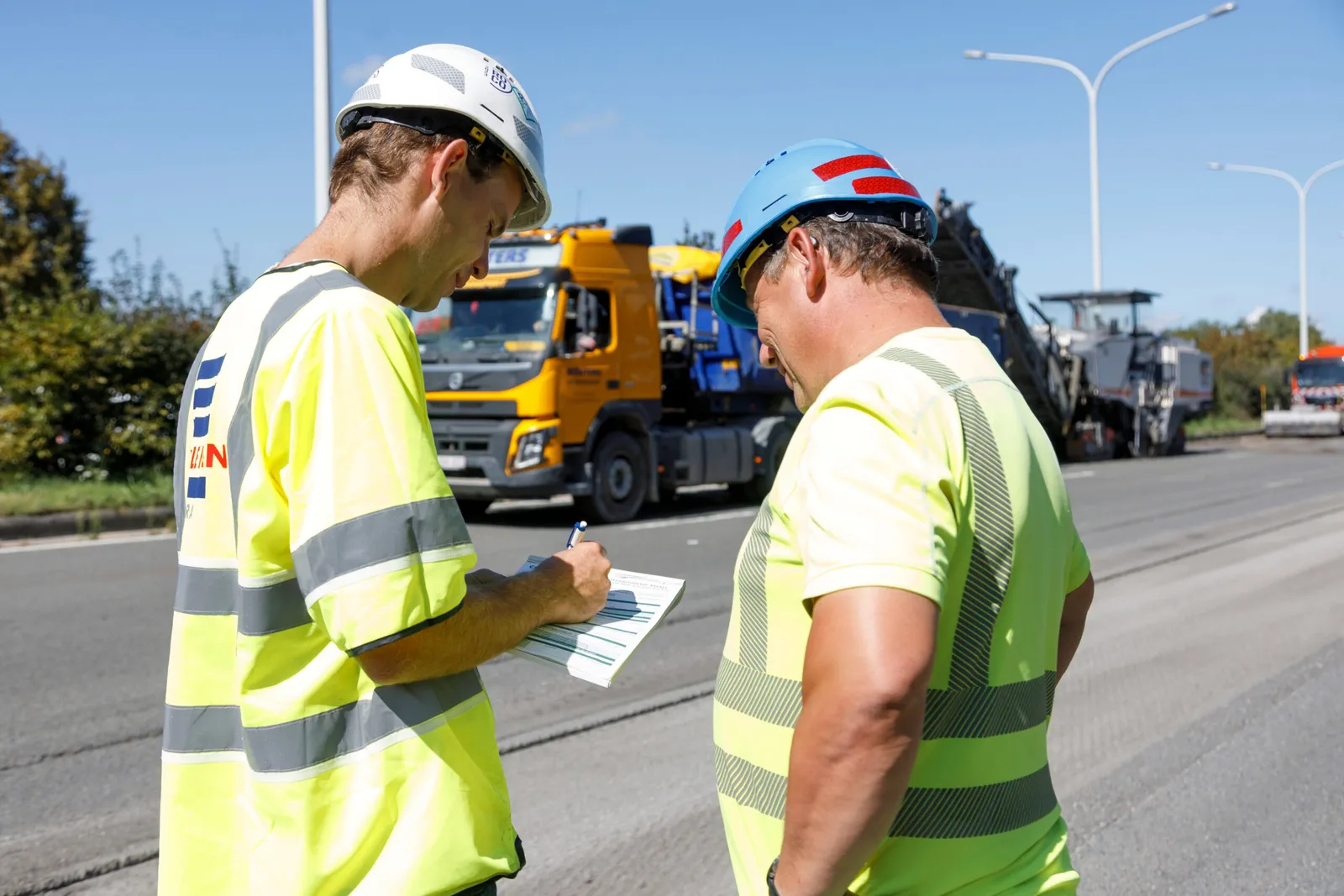
The tool is doing its job well. Drawing on user feedback, COPRO has developed a simple step-by-step plan for each party involved, the contractor and the client. However, Lacaeyse highlights a few points to watch, starting with ordering delivery notes. “This is the only step we have not yet been able to digitalise. One option would be to link the system to the digital identification forms already used for waste transport. For now, however, orders still have to be processed manually. So the message is to order in good time, as these delivery notes are still sent by post.” The delivery notes were introduced at the clients’ request to make the system watertight. Every load of tar-containing asphalt must be accompanied by a delivery note signed by the client. But this means the client has to provide a site supervisor, which is no longer a given these days. Sometimes clients give the contractor blank delivery notes. “But that is absolutely not the right way to work,” Lacaeyse says categorically. “This transfer document is specifically intended to monitor quantities. Without that check, there is no point. That is why it is important to make this final manual step available digitally in due course.”
Allow sufficient headroom in the maximum quantity
The maximum quantity of material to be removed also often creates extra work at the interim storage site. “When calculating it, the client usually takes the theoretical minimum. In practice, milling will always go slightly deeper to ensure all the tar-containing material is removed. But the quantity specified by the client must not be exceeded.” If it is, the contractor has to get back in touch with the client. “Fortunately, digital communication has already made this considerably faster. Even so, it is important to monitor quantities closely during milling and, if necessary, increase the maximum in good time to avoid a temporary suspension of removal,” says Lacaeyse. He does have a tip to make the process more workable. “I recommend building in a slightly larger margin at the start of the project. There are no negative consequences to doing so.”
Close the site in the tool
Lacaeyse adds a third point to watch, specifically for clients: closing the project. “Once the last lorry carrying tar-containing asphalt has left the site, the client is expected to close the project in Digitar. Only then can a certificate be issued, on the basis of which the contractor is paid.” At this stage, certificates are now issued from one of the ten interim storage sites in Flanders, rather than after the materials have been thermally cleaned. “That is because we first collect a sufficient volume before taking the material to one of the thermal treatment plants in the Netherlands. That can take up to a year. We do not want contractors to have to wait that long for payment.”
Still plenty to do
It is clear that there will be more than enough work over the coming years to remove all tar-containing waste. “But we do not have exact figures. What we do know is that an average of 100,000 tonnes a year is removed under certification. We expect this to continue for several more years, as tar is still present in foundations where it was previously given a second life. After that, we expect a turning point, when the volume of tar-containing material should decrease year on year,” Lacaeyse concludes.
Question about this story? Ask your question
Companies in this story
Keep following this
Get an email when a new story is published. No account needed.
- SubjectWaste streams
- CompanyCopro