












Remaining a champion in battery reuse and recycling
Text Valérie CouplezImage Bebat
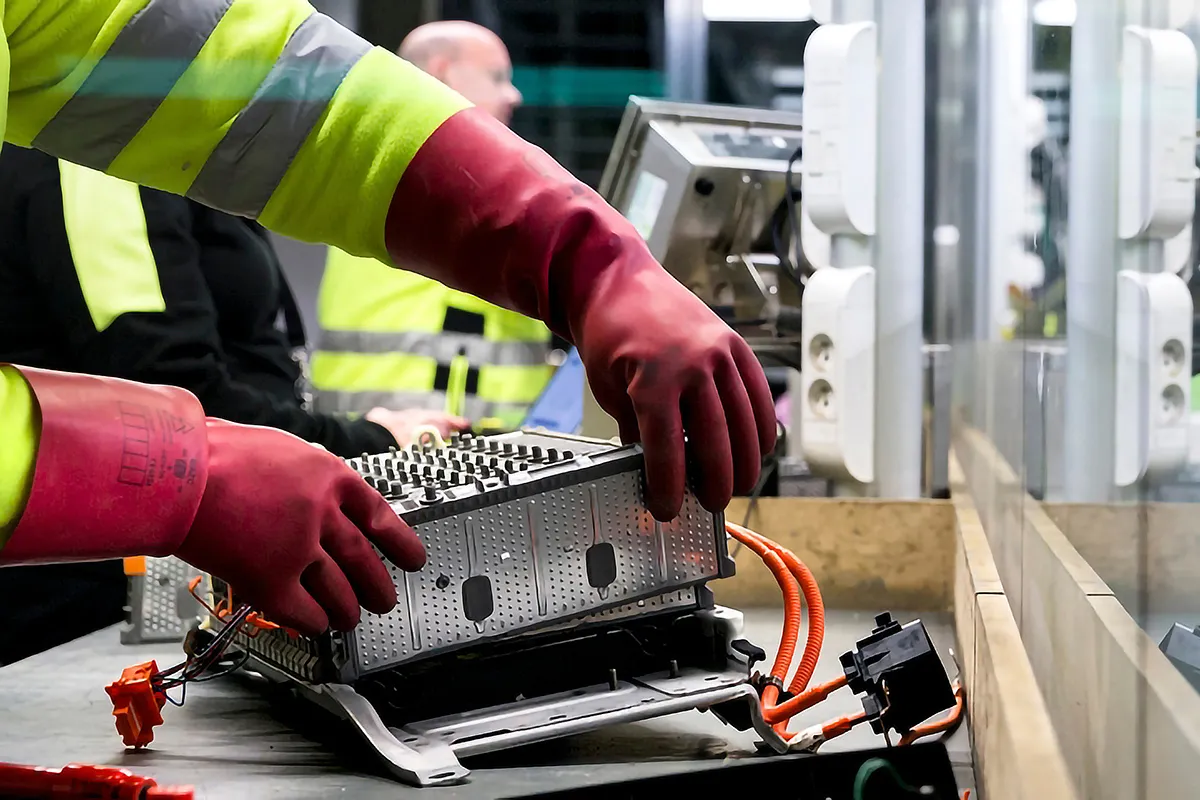
Batteries are everywhere today, from the smallest button cell in electronics to the largest battery in an electric vehicle. This makes Bebat’s role even more crucial, but also more challenging. “Every Belgian now knows us and our collection points. But we work every day to do better and bring more and more raw materials back into circulation,” says Peter Coonen, Managing Director of Bebat.
Belgium is a champion when it comes to battery collection and recycling. While the European average is 45%, Bebat scores 61%. “That might make it seem as though we still have 49% to go. But many batteries are simply left lying around at home. That is why we also look at the figures for batteries in residual waste. They show that 90% of Belgians dispose of their batteries correctly. We are proud of that,” says Coonen.
A greater focus on reuse
But to remain a champion, Bebat sees its role changing in the years ahead. “It is easy to make leek soup from leeks, but not the other way round, of course. The same principle applies to battery recycling. That makes batteries difficult to reuse, but we can recycle them as effectively as possible, as we have done with great success in recent years. Large batteries broaden that picture. Electric bikes are already humming, and soon there will be more batteries from cars, buses and boats. The cells they contain are suitable for reuse. By identifying and encouraging circular and innovative projects, we want to make battery reuse possible. That is the pioneering work we want to do in the years ahead,” says Coonen, still ambitious.
Urban mining
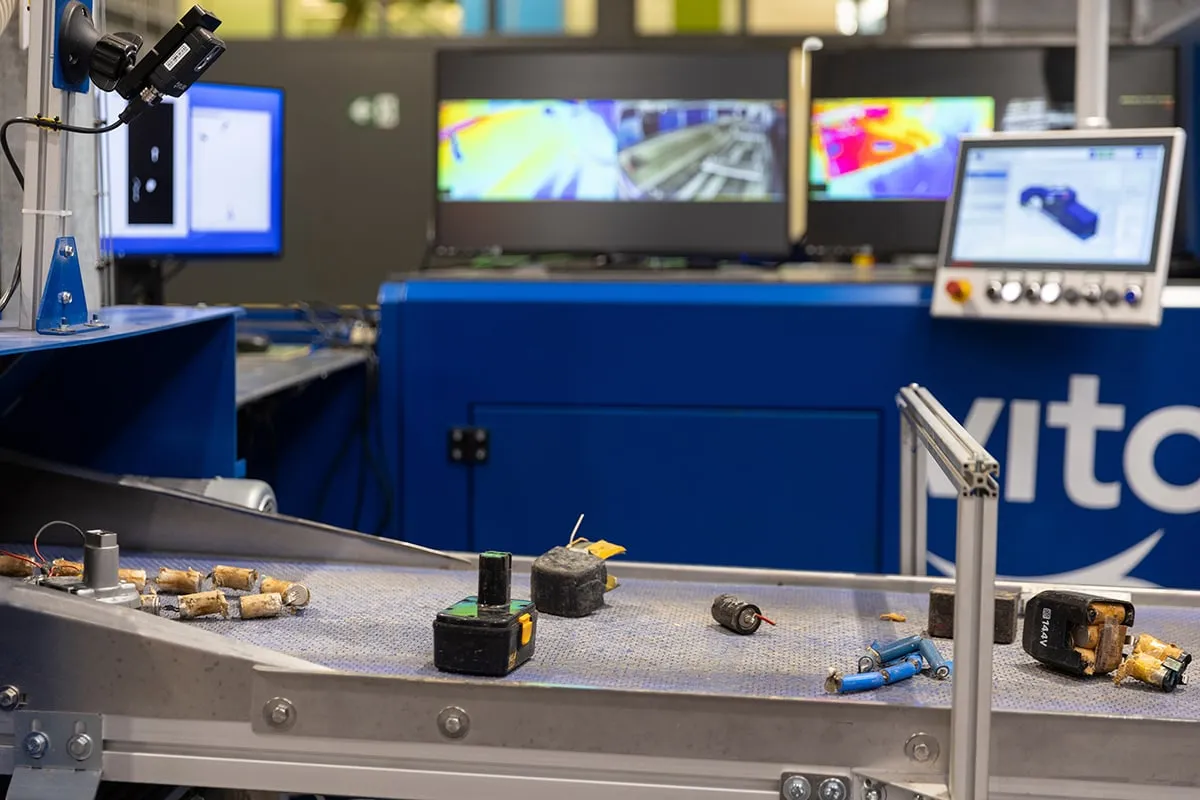
Bebat is also continuing to make progress in recycling itself. “Together with VITO (Flemish Institute for Technological Research), we have built a new sorting line, unique in the world,” says Nele Peeters, Director Marketing, Operations & Innovation at Bebat. “Three different technologies, combined with AI, examine the contents of the batteries passing along the conveyor belt down to the atomic level. This helps us sort them more accurately and, at the end of the process, recycle them more effectively or select them for a second life. We can put together an entire batch of batteries rich in, for example, cobalt or nickel, and then deliver it to an appropriate processor. Urban mining at its best.”
Service provider
Bebat also sees its role increasingly shifting towards service provision. “In the past, everything was waste. Today, spent batteries are products that come with a service. We do our best to make things as easy as possible for our stakeholders,” says Coonen. “For example, smart collection units that report how many kg of batteries they contain. Or smart algorithms that help us plan collections as efficiently as possible, without driving unnecessary kilometres. Or our own specially developed collection containers for safer battery storage, which are used around the world. Belgian end-of-life battery technology deserves the same quality label as chips, beer and chocolate,” Peeters concludes with a wink.
Een zakelijke vraag aan Bebat vzw? Get in touch
Companies in this story
Keep following this
Get an email when a new story is published. No account needed.
- ThemeCircular processing of electronics and batteries
- SubjectWaste streams
- CompanyBebat vzw







