New technology makes beverage cartons fully recyclable
Text Saar BenteinImage Recon Polymers
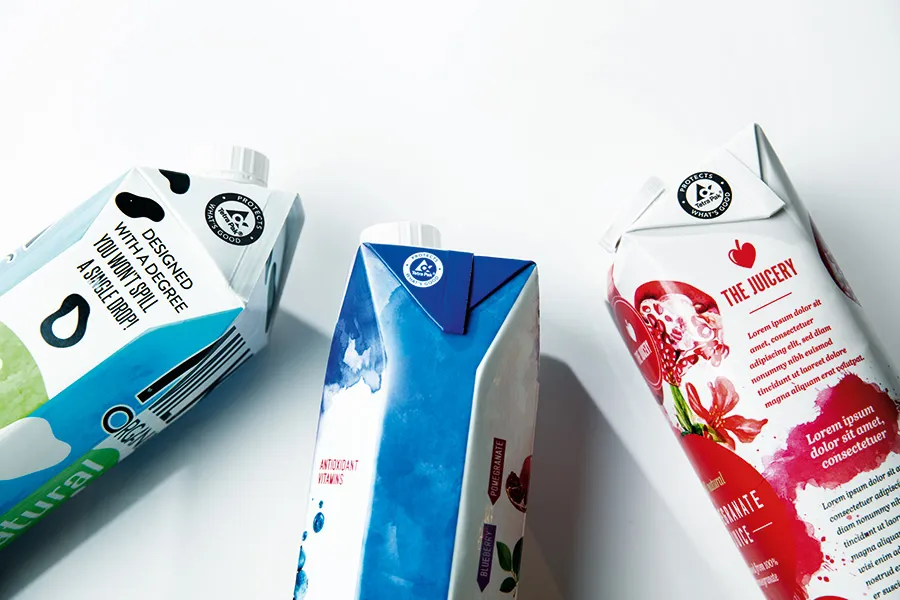
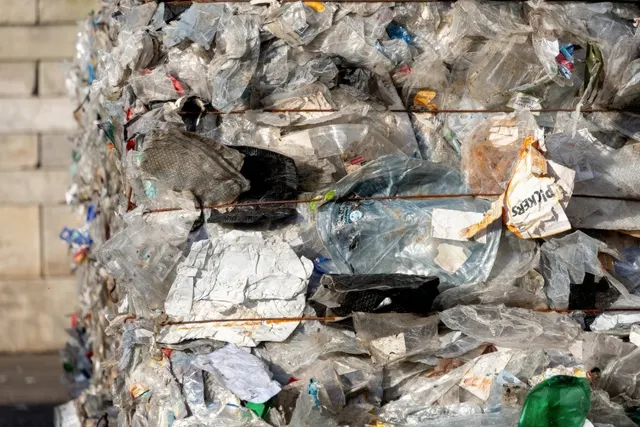
Tetra Pak and Recon Polymers are joining forces to recycle PolyAl (polyethylene and aluminium) from beverage cartons on an industrial scale. The energy- and cost-efficient technology persuaded Tetra Pak to invest €1 million in Recon Polymers’ plant. This investment will increase capacity to at least 8,000 tonnes of PolyAl a year and contribute to Tetra Pak’s ambition to recycle all its packaging.
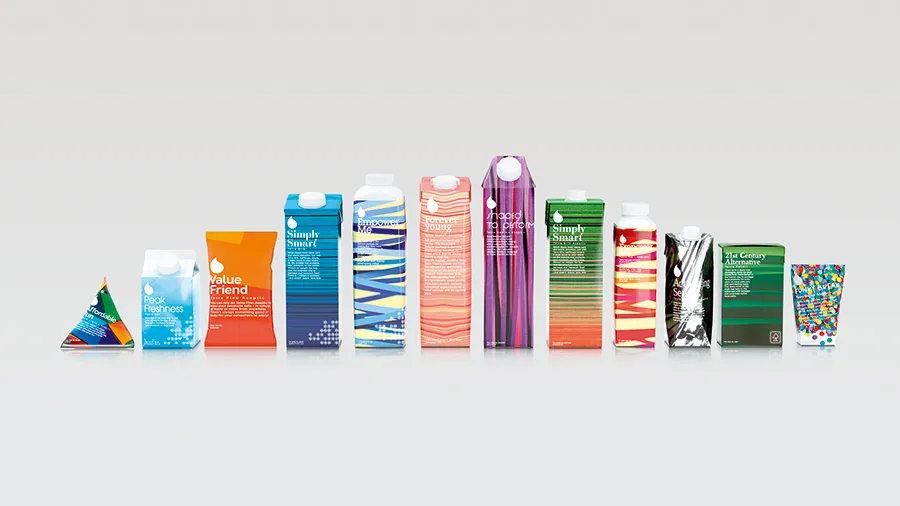
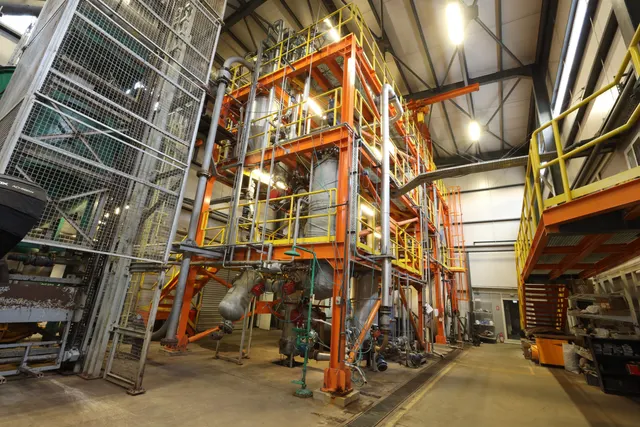
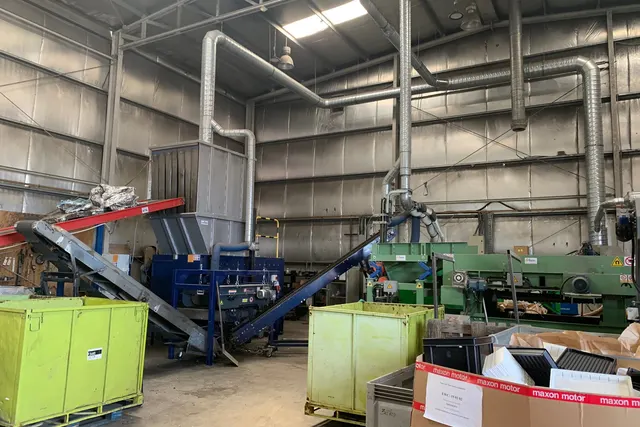
Beverage cartons consist of an average of 70% paper fibres, with the remainder making up the non-fibre fraction (PolyAl, or polyethylene and aluminium). An estimated 75% of the paper fibres recovered from beverage carton recycling in Europe are used to make new packaging, such as cardboard boxes. “That is an extremely high percentage, but we are committed to finding a solution for recycling our entire packaging, including the non-fibre fraction. A high-quality end product, produced in an economically attractive and sustainable way, is crucial,” says Frank Vandewal, Sustainability Director at Tetra Pak. To achieve this ambition, Tetra Pak found a partner in Recon Polymers. In 2017, the company set up a pilot plant in Roosendaal to develop a recycling technology for PolyAl. Once the technology was ready to be scaled up, Tetra Pak invested €1 million, enabling Recon Polymers to move from a pilot plant to an industrial facility. Recon Polymers adapted existing production machinery from other applications for use in the separation and recycling of plastics. “What sets them apart is that they have scrutinised the cost drivers of a traditional process. Their technology uses far less energy and is much more cost-efficient. That makes Recon Polymers a pioneer in PolyAl recycling,” says Vandewal.
Towards 90% effective recycling of beverage cartons
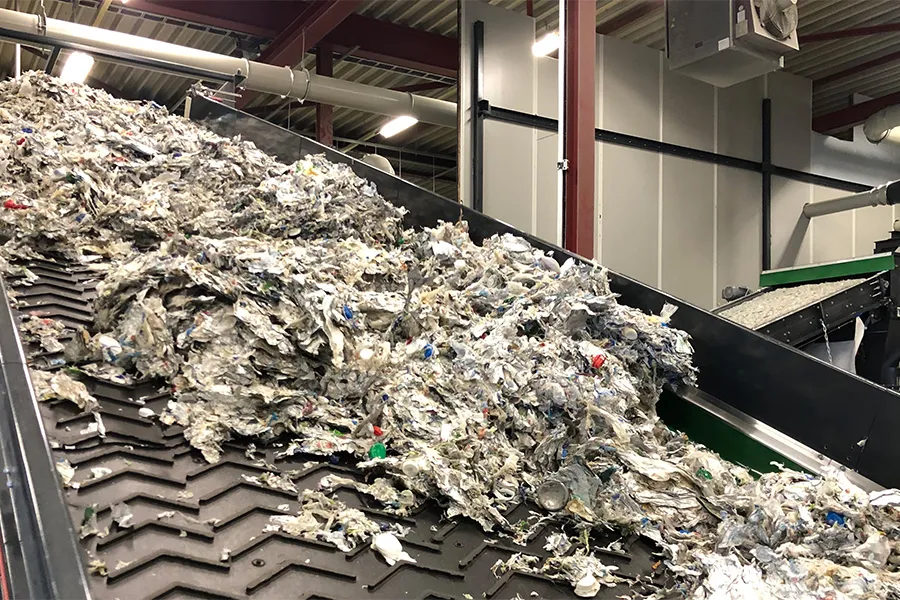
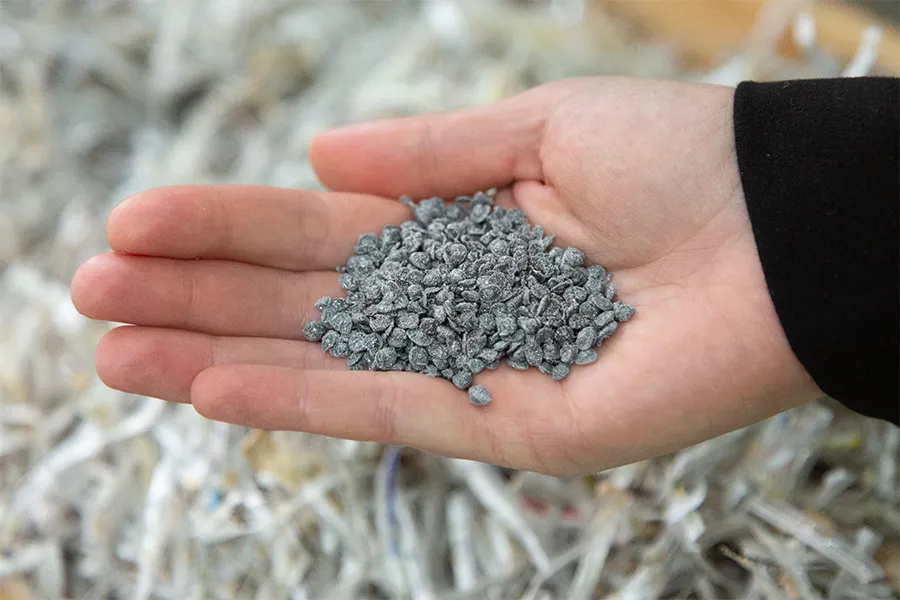
The end product of PolyAl recycling is a ‘pressed pellet’, a highly compressed pellet that is significantly cheaper than granulate produced through an extrusion process. Applications for PolyAl include making reusable pallets, interior products and 3D-printed objects. More than 90% of all beverage cartons in Belgium are collected for recycling, making the country a global leader in beverage carton collection and recycling. Of the beverage cartons collected and sorted, 70% of the material is already effectively recycled. This is because some residual streams, such as food residues and incorrectly sorted PET bottles, end up at the recycler but are not included in the effective recycling rate. With the expansion of PolyAl technology, the ambition is to move towards effectively recycling 90% of all beverage cartons placed on the Belgian market. Vandewal says: “A beverage carton is fully recyclable and must be fully recycled. Making our products as circular as possible is not an empty promise for us, but an ambition we strive to fulfil every day.”
A sustainable process involves more than recycling
For Tetra Pak, the investment in Recon Polymers is a logical step towards achieving its sustainability ambitions and further improving the recyclability of its beverage packaging. Vandewal nevertheless stresses the importance of a sustainable process at every stage, from product development to end of life. “The focus of European legislation is recycling. It is necessary, but recycling alone is not enough. Circularity is not synonymous with recycling, it goes much further. We need to use primary raw materials more consciously, for example, and also consider the CO2 impact throughout the production process. We are innovating in this area too, and looking at how we can simplify our packaging to reduce our environmental footprint throughout the entire value chain,” Vandewal concludes.
Question about this story? Ask your question
Keep following this
Get an email when a new story is published. No account needed.
- SubjectWaste streams