Going further in valorising aluminium waste streams
Text Valérie CouplezImage TARC
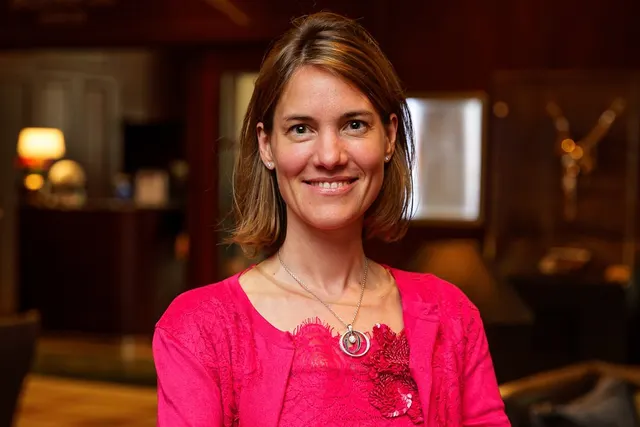
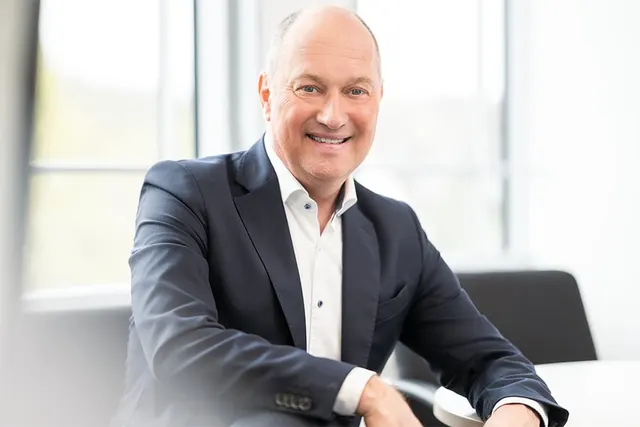
How can you create added value from scrap? That was the question Michael Nelissen asked himself as he set about transforming metal trader Werrens in Balen. The answer? Aluminium. Having started with drinks cans and built on the knowledge gained to process other aluminium streams, the company is now aiming to go further under its new name, TARC, the aluminium recovery company. “Every problem we encounter, every contaminant, presents new opportunities,” says the managing director.
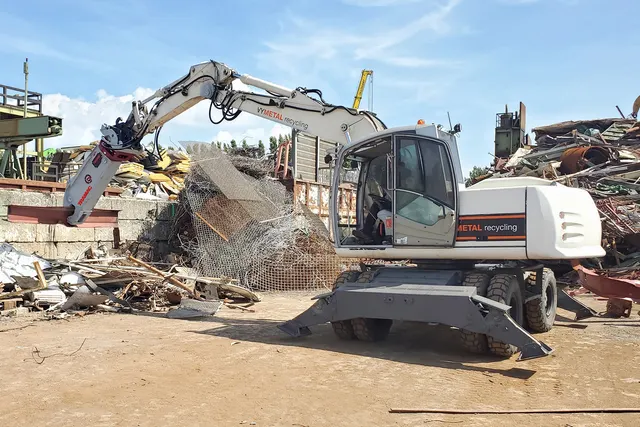
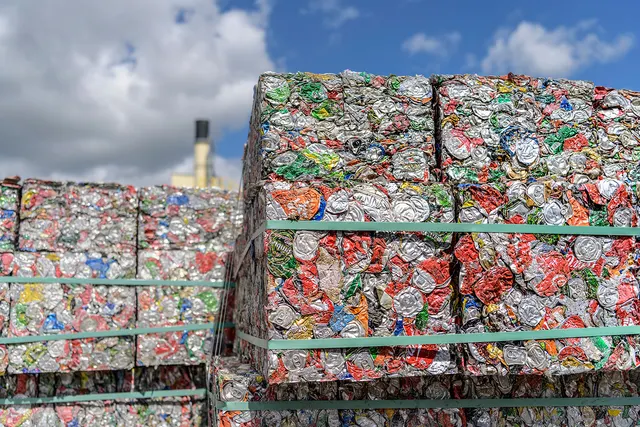
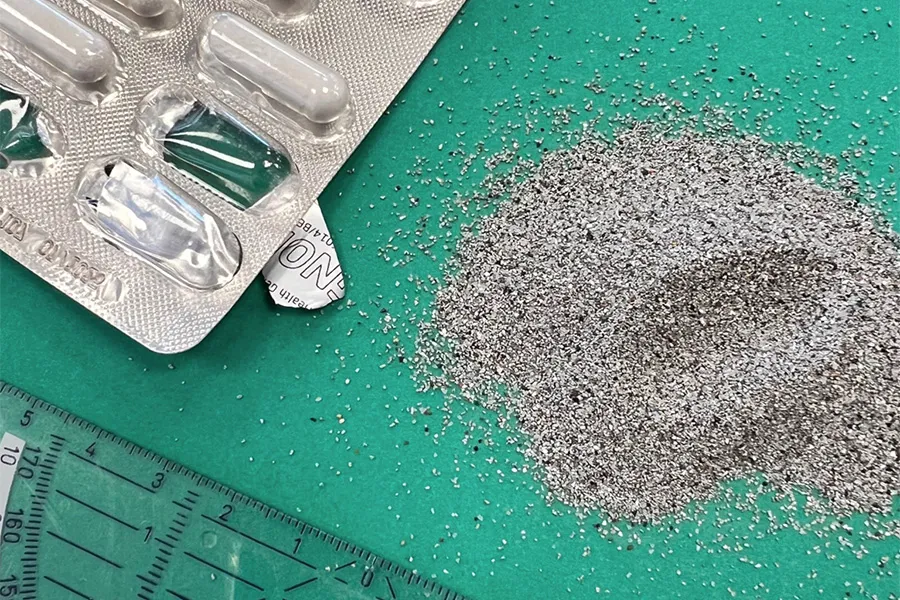
The story behind TARC began in ’97. “A metal processor received a contaminated load of aluminium cans and had no idea what to do with it. We carried out an initial treatment, then supplied it to another processor in Ghent, which eventually sent it to an aluminium smelter in the Netherlands.” This marked the start of a search for greater efficiency, to process aluminium streams as effectively as possible and maximise their value. That ambition remains embedded in the company today. “It started here with a simple sorting system, which allowed us to supply aluminium to smelters in the required specifications. The problems we encountered along the way were always the starting point for improving the next line. Faster, better and without the contaminants we had previously encountered. And for increasingly complex streams.” TARC can now also recover aluminium from products that are difficult to valorise, such as Alpex pipes (sanitary applications), coffee capsules and medicine blister packs, using its new processing line.
Automation for a smoother operation
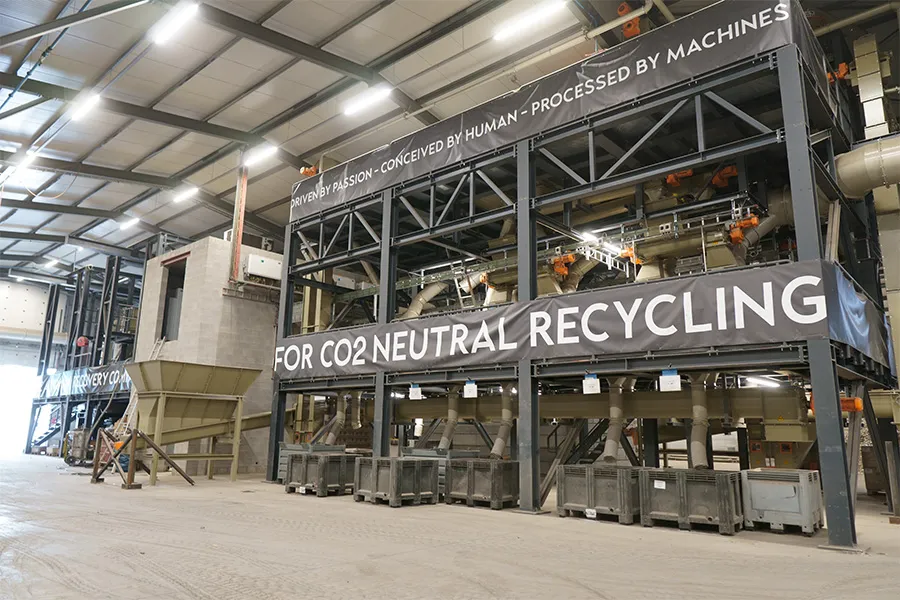
Twenty years later, the site in Balen now has nine aluminium sorting lines. It processes 20,000 tonnes of aluminium a year. The company has never stood still during that time. “We are constantly thinking carefully about the next steps. Simply walking around the installations and talking to people teaches you so much about how to improve things. We don’t need a meeting culture for that here.” What do these improvements look like? Adding new machines and techniques, but also limiting the number of movements around the site as much as possible. Automation, in other words. “Because it makes processes simple and manageable. Removing one burden at a time makes work calmer for our operators, while allowing them to recover more raw materials.”
Alloys tailored to customer requirements
TARC stands out in the market through its specialisation, which enables it to take in difficult streams, and through its end products. “That’s because we work with very specific alloys. This means our products can be used directly at aluminium smelters across Europe.” This ‘local’ aspect matters to Nelissen. “The more of your raw materials you export, the more vulnerable you become as a continent. I have always believed that the balance would shift, and that you would not simply let your waste leave, because there is still a great deal of value to be recovered from it. This is about becoming more self-sufficient, but also about maintaining our expertise. The coronavirus pandemic and the subsequent raw materials crisis brought this home to us. As an importer, you are right at the back of the queue.”
Further optimising infrastructure
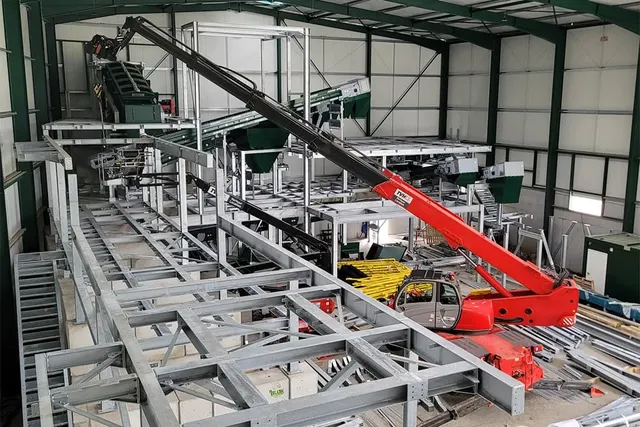
In the coming years, Nelissen wants to raise TARC’s profile further. “We have just invested in a new line, with the aim of maximising the recovery of aluminium from, among other things, ‘urban waste’. This installation can now recover aluminium down to 0.1 mm. In the next stages, we mainly want to further optimise our existing infrastructure. This means connecting the different lines so that they form an automated and digitalised process, taking a gross, contaminated product and turning it into a clean, finished product.” Nelissen’s second ongoing area for improvement is the safety and comfort of his employees. “We have evolved at a tremendous pace over the past few years, thanks to our close-knit team. You can only achieve that by listening carefully to them and finding ways to support one another. As a company, you are part of a bigger picture. You have to take responsibility for your people, but also for the environment. There are already almost 3,000 solar panels on the roof, generating 1.2 MWh. Ideally, we would add a wind turbine so that we can meet 100% of our own energy needs.
Question about this story? Ask your question
Keep following this
Get an email when a new story is published. No account needed.
- ThemeRecovering metals and creating value
- SubjectScrap metal