“A bug you can never shake off”
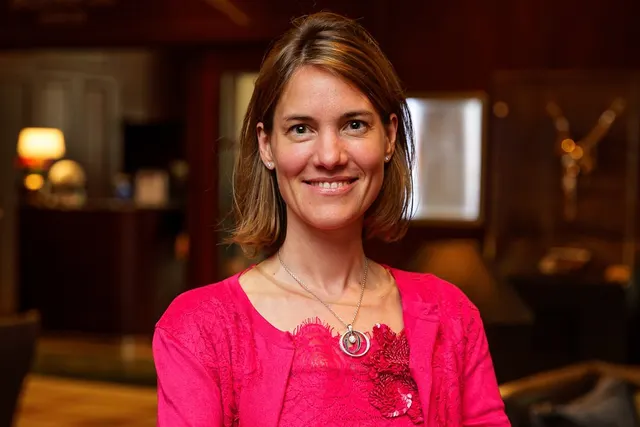
The recycling sector is still seen too much as a man’s world. Nothing could be further from the truth. More and more women are finding jobs and a place in the world of waste collection and processing. And we are delighted to introduce them to you in detail. In each edition, we hear from a woman in the sector about her job and what makes it so enjoyable. This time, Julie Huntz tells us how she was born and raised in metal recycling.
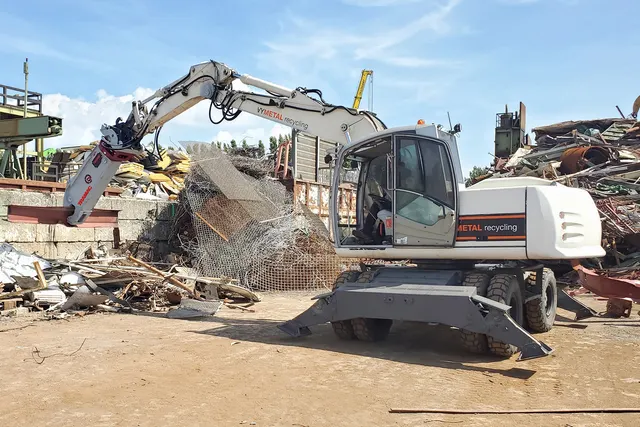
The recycling sector still has a very strong family character. Brussels Metal Recycling (B.R.Met.), founded in 2003, is another company where recycling is in the blood. For Julie Huntz, who works as administrative director at her parents’ company, there is nothing more fascinating. “Circular thinking and working have actually always been around, even if the term is only now being widely used. Metal is one of the finest examples. The smell of the material, the sound of a crane … I’d find it strange not to smell and hear them any more. It’s a bug you can never shake off.”
Constantly evolving
BR.Met sees around 1,000 tonnes of ferrous and non-ferrous metals pass through its doors every month. That means plenty of work for its 15-strong team. Julie is mainly responsible for B.R.Met’s day-to-day operations. What makes her job so fascinating? “The recycling sector is constantly evolving. Legislation, technology, products and even what exactly is considered waste are continually changing. So you can never rest on your laurels, even when things are going well. You always have to think about how you can do things even better tomorrow. That makes this sector so interesting, but it is also its greatest challenge. You have to keep learning to understand what products you can make from your raw materials and what it takes to make them.”
Working towards a better world
Everyone is welcome at B.R. Met. to help build this better world. The company aims to become a leading name in urban mining in Brussels and, at Julie’s initiative, is setting a good example itself. “Inclusivity isn’t an empty slogan here. On the one hand, we work with the sheltered workshop APAM to dismantle part of the WEEE stream. On the other, we also give people with a migration background a chance. There is a lot of administrative red tape involved, and we also try to teach them French or Dutch. But this way, you can involve people from different cultural backgrounds in Brussels’ ecological and economic life. That’s what we do it for.”
Question about this story? Ask your question
Keep following this
Get an email when a new story is published. No account needed.
- SubjectScrap metal