80% of used cars no longer welcome in Africa after 1 January
“Treat old cars as waste instead”
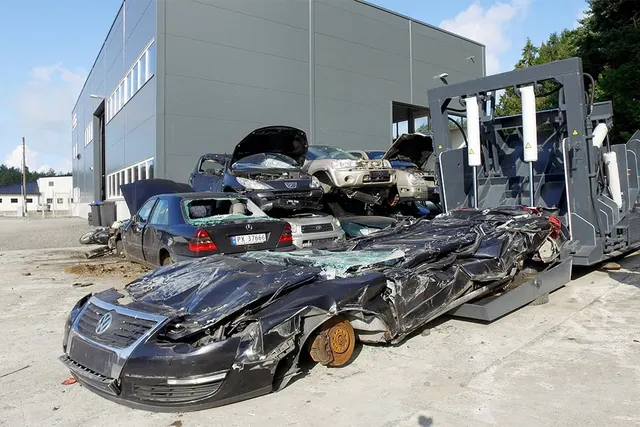
The Dutch Human Environment and Transport Inspectorate (ILT) investigated the export of used vehicles in its report ‘Used vehicles exported to Africa’. The report finds that, from 1 January 2021, more than 80% of the vehicles currently exported from the Netherlands to Africa will no longer be welcome in fifteen West African countries.
These countries are members of the Economic Community of West African States (ECOWAS). They want to curb the high levels of air pollution, climate emissions and road safety risks caused by the condition of our end-of-life vehicles. From 1 January, they will introduce statutory requirements for the age and emissions of imported vehicles. Vehicles must be no more than ten years old and must meet the Euro 4 emissions standard. “Many cars and vans shipped to Africa from European ports are very old. They have a low emissions class, usually an invalid roadworthiness certificate, and often have problems with the catalytic converter or diesel particulate filter,” the report says. Around 500,000 used passenger vehicles are deregistered in the Netherlands each year. More than half of these cars and vans are sent abroad. This includes around 80,000 vehicles which, given their emissions class and age, would normally be scrapped in the Netherlands. More than a quarter of these, over 20,000, end up in Africa. The Netherlands is not the only country exporting old vehicles. The flow of cars from other European countries is even “larger and no better in quality”, the report says. “The impact of these exports on Africa is significant: higher emissions of particulate matter, NOx and CO2 pose risks to health and the environment. And when poor-quality vehicles take to the roads there, they create unsafe conditions.”
Waste
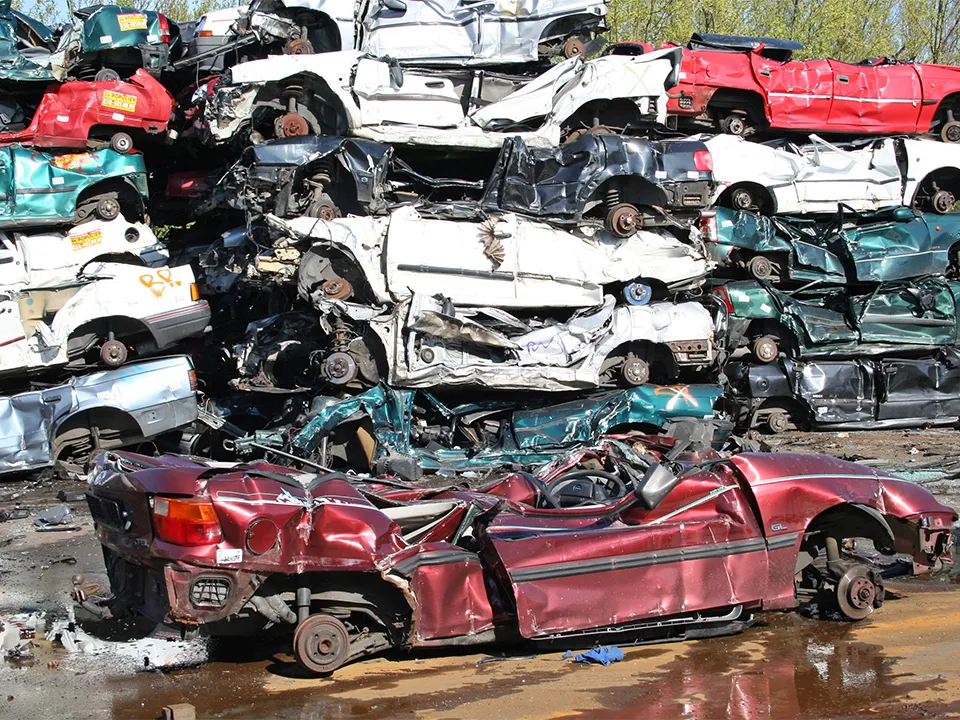
In most African countries, the treatment infrastructure is often unsuitable for dismantling end-of-life vehicles in an environmentally responsible way. This poses risks to the environment and human health. “For the Netherlands and the other countries these cars come from, this means wasting valuable parts and raw materials. It is at odds with the objectives of achieving a circular economy,” the researchers write. ILT Inspector-General Jan van den Bos says: “Now that West African countries have made it clear that they no longer want old and polluting cars, it is important to ensure at European level that these cars are no longer exported from Europe to Africa. If the Netherlands acts alone, exporters will divert their shipments to other European ports, doing little to help solve the problem. Our report sends an important signal that swift, coordinated action is needed. The findings of the ILT study will help bring this about.”
Waste
Under current legislation, namely the European Waste Shipment Regulation (EWSR) and the End-of-Life Vehicles Directive, only a small number of vehicles being sent to Africa can be classified as waste. According to the ILT and the Dutch Ministry of Infrastructure and Water Management, legislation and regulations in exporting and importing countries urgently need to be amended and harmonised. “This could ensure that poor-quality cars are considered waste in future. These vehicles could then no longer be exported to West African countries, but would instead be recycled within Europe.” The European Commission is currently reviewing the EWSR and the End-of-Life Vehicles Directive. The ILT also shared its findings with the United Nations Environment Programme (UNEP), which is working to improve the quality of Africa’s vehicle fleet in terms of both exhaust emissions and road safety. UNEP welcomes the study and says it wants to work with the Netherlands and other partners to improve the regulations governing used vehicles exported to African countries, as this “will benefit both local and global air quality and the climate.”
Question about this story? Ask your question
Keep following this
Get an email when a new story is published. No account needed.
- SubjectScrap metal