€14 million investment to recover even the smallest metal particles
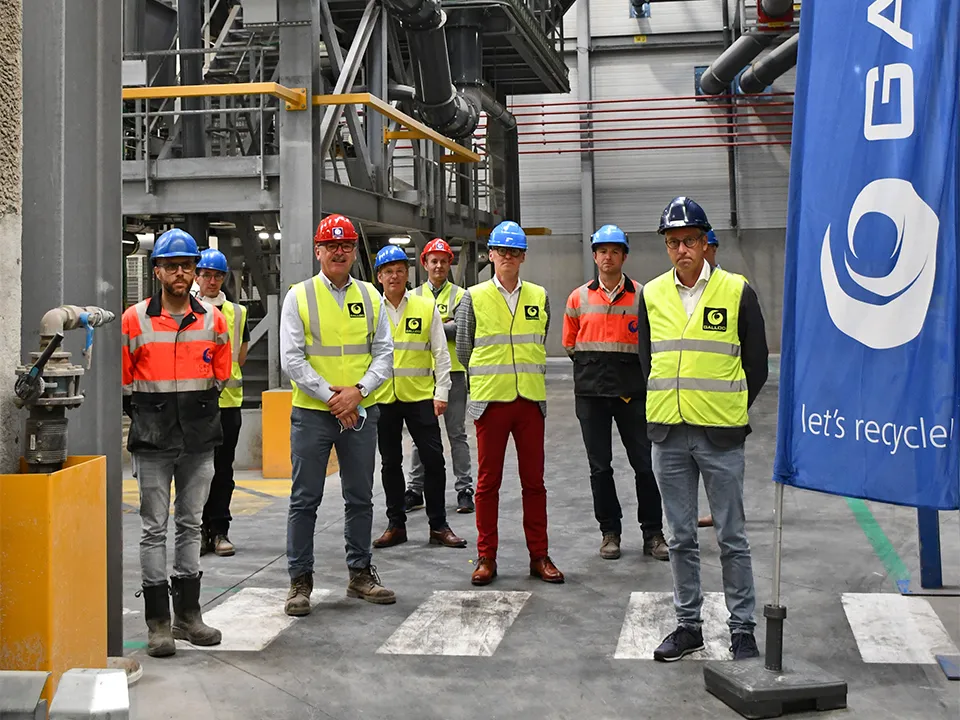
Pushing the boundaries of recycling ever further. That is what Galloo advocates and puts into practice. The latest example of this pioneering spirit is the new fines line, which was officially opened in September.
This separation plant, representing an investment of €14 million, will separate the smallest metals, with diameters of up to 0.3 mm, from a low-grade fraction. This will enable Galloo to recover more raw materials from the same incoming stream, while reducing the amount of material ultimately sent to landfill by 3,000 tonnes.
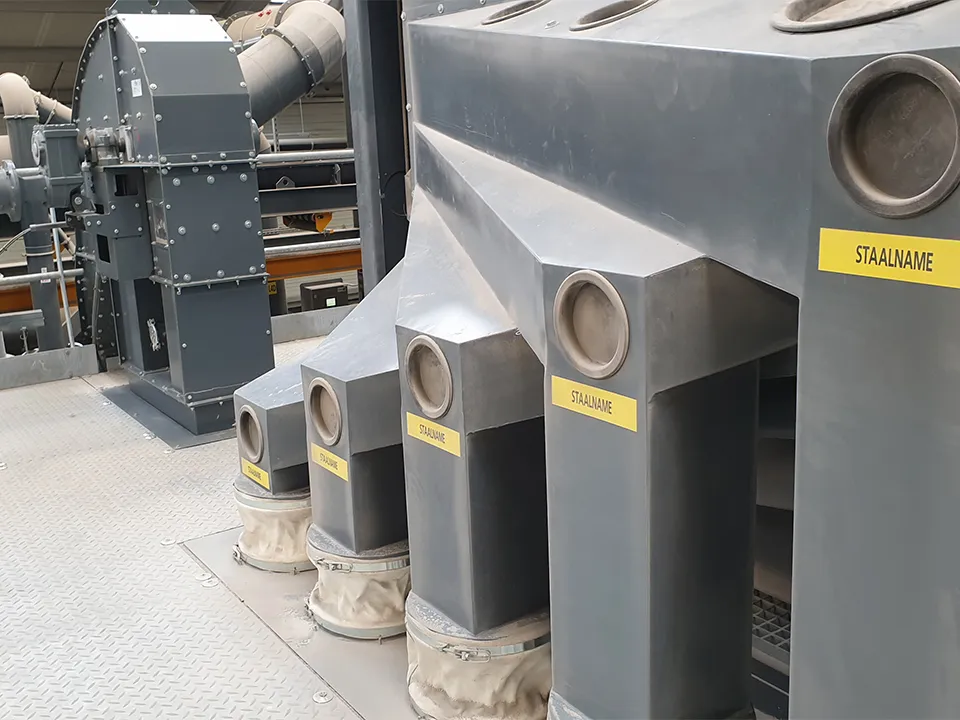
All non-ferrous metals end up at Galloo’s Ropswalle department after shredding. Shredder residue typically consists of a mix of aluminium, copper, stainless steel, zinc, as well as plastic, rubber, wood and other materials. A high-tech plant separates these materials. Once most of the metals have been recovered, the remaining stream goes through the ‘fines line’ once more. This line was built five years ago specifically to filter out the smallest metal fractions. Even after this separation process, however, a residual fraction remains, which, for lack of useful applications, was sent to landfill or ended up in the incinerator. This is a real waste, given that, alongside sand and dust, the stream still contains many tiny, valuable metal fragments. That was reason enough for Galloo to get its team working on a new line to push the boundaries of recycling even further in terms of particle size and efficiency. Construction began in the summer of 2019, and the line was ready to start operating in 2020. It will process shredder residue and waste electrical and electronic equipment in fractions of up to 4-12 mm, as well as incinerator bottom ash. The old fines line will not be scrapped. It will serve as a pre-sorting step for the new line.
In-house expertise
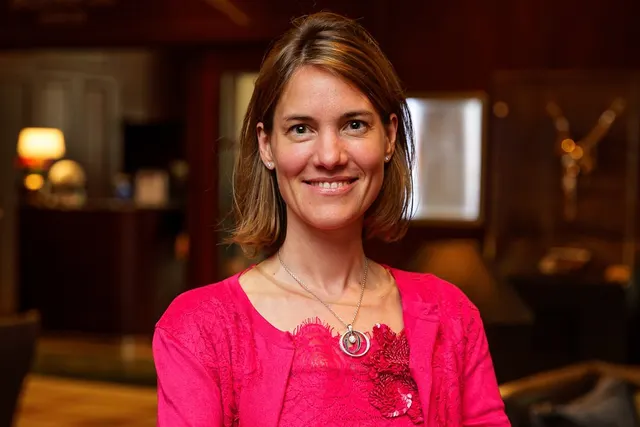
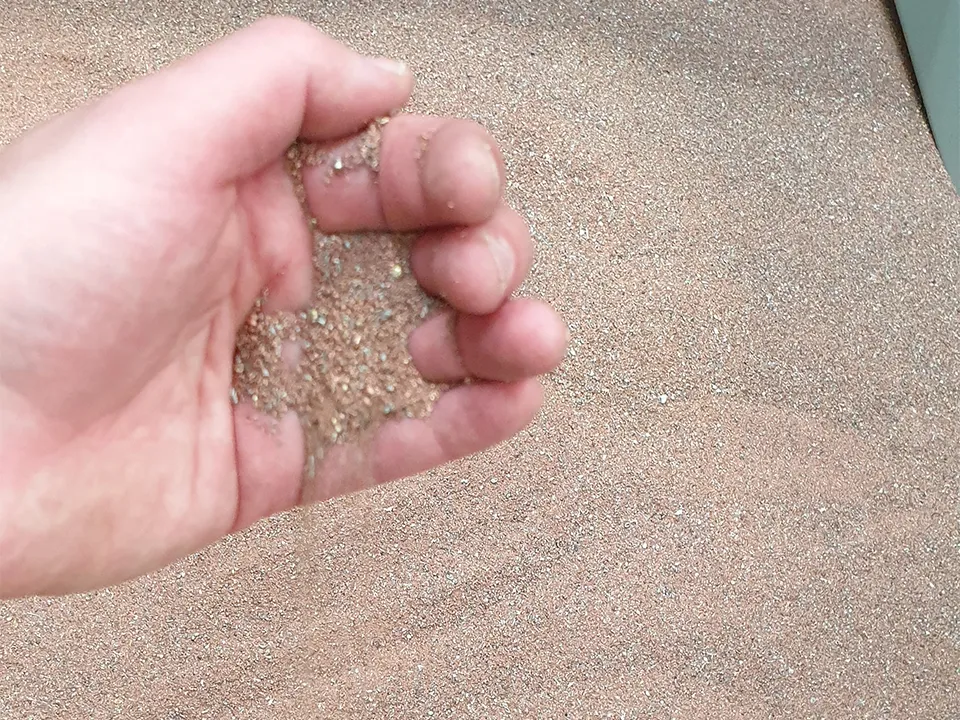
Managing Director Pierre Vandeputte explains: “The new fines line, designed entirely using in-house expertise, is an improved copy of the existing line. Our team of engineers studied the existing line in detail and made improvements wherever possible. This led us to opt for a range of separation technologies: a special crusher, air tables and cascades of magnetic and eddy current separators. This is high-tech recycling, and it delivers results. We can now recover metals with a diameter of up to 0.3 mm. This also reduces the fraction sent to landfill by 3,000 tonnes. 100% recycling has always been our goal. With the new fines line, we are taking another major step towards our dream.”
Up to 99% pure aluminium
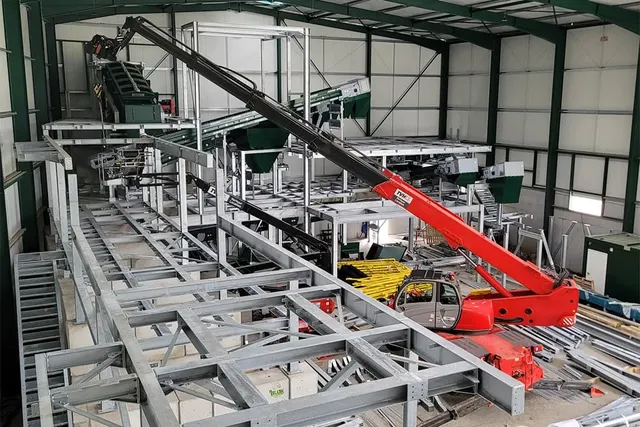
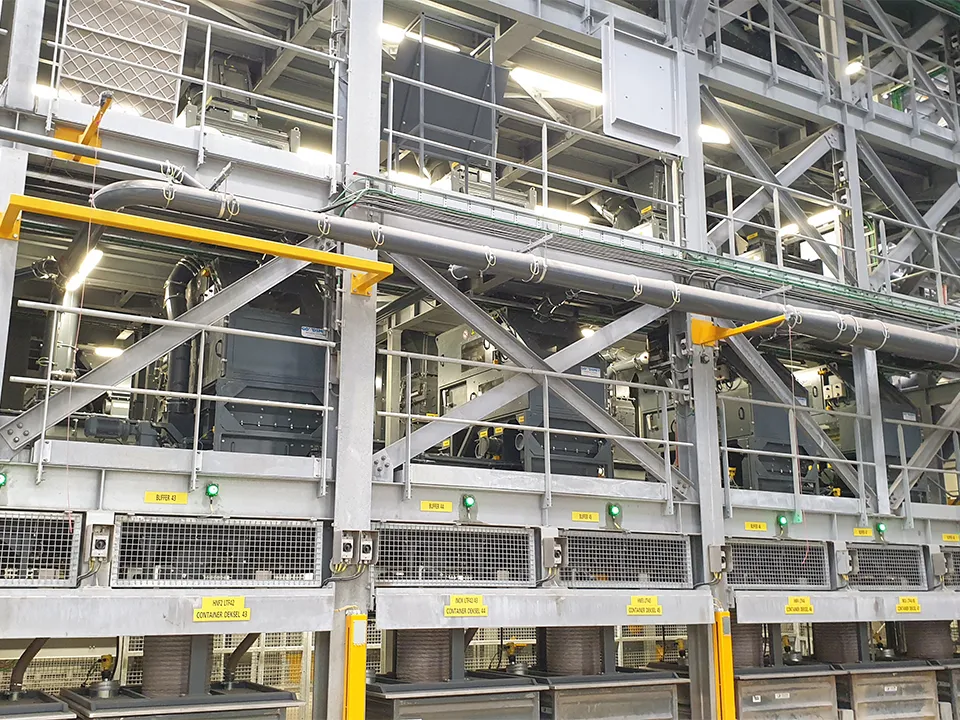
The entire process is an impressive feat of engineering, designed to fit perfectly within the existing space. Incoming materials pass through seven banks of equipment, compared with one previously, which, as mentioned, combine different separation technologies. For screening, the stream is divided across five air tables, where the mesh size can be adjusted. The finer the material, the finer the screening panels. The results can be checked straight away to see whether the separation is as required. A high-quality, in other words pure, end product is crucial. Galloo can now recover aluminium with a purity of up to 99%. Other important materials recovered include copper and stainless steel. With a higher-quality end product, purity has risen from 95% to 99%, and lower landfill costs, Galloo is confident the plant will be profitable. The residual fraction left after the new fines line consists of particles of glass, ceramics and stone. Galloo is also constantly looking for new applications for each of these streams. Finally, the new line will create additional jobs. Each shift will employ three people. The aim is to operate 7 days a week in due course.
Question about this story? Ask your question
Keep following this
Get an email when a new story is published. No account needed.
- ThemeRecovering metals and creating value
- SubjectScrap metal