












Recycling PU foam cans
Text Valérie CouplezImage Valipac
4.5 tonnes of waste saved from incineration
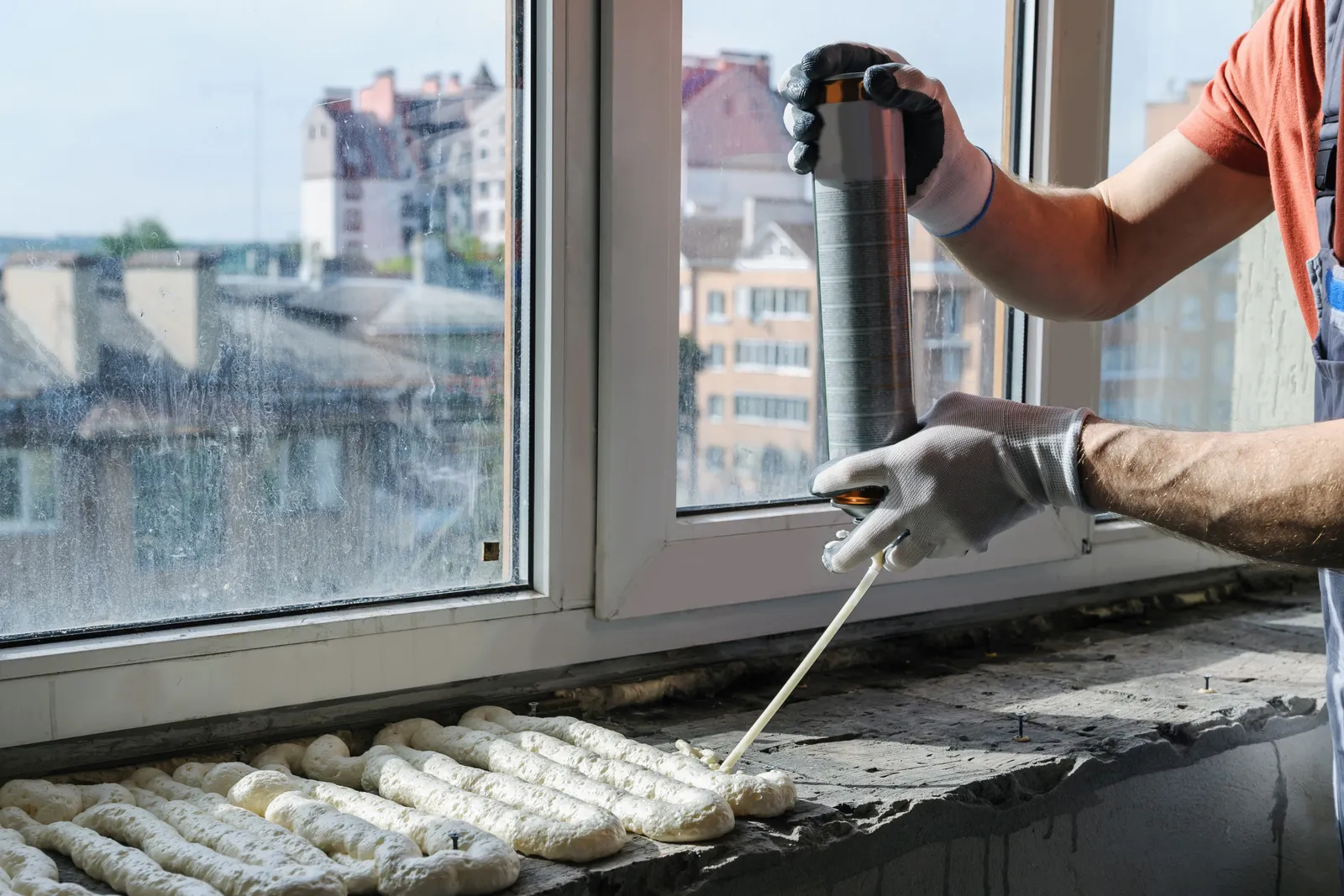
A few years ago, Wienerberger approached Valipac to set up a collection system for PU foam cans. This is hazardous waste, which must be collected separately and must not go in the PMD or residual waste. But where can they take them on a construction site? This was the start of the PUre project, which has now collected more than 22,750 cans, amounting to 4.5 tonnes of waste that will now get a second life.
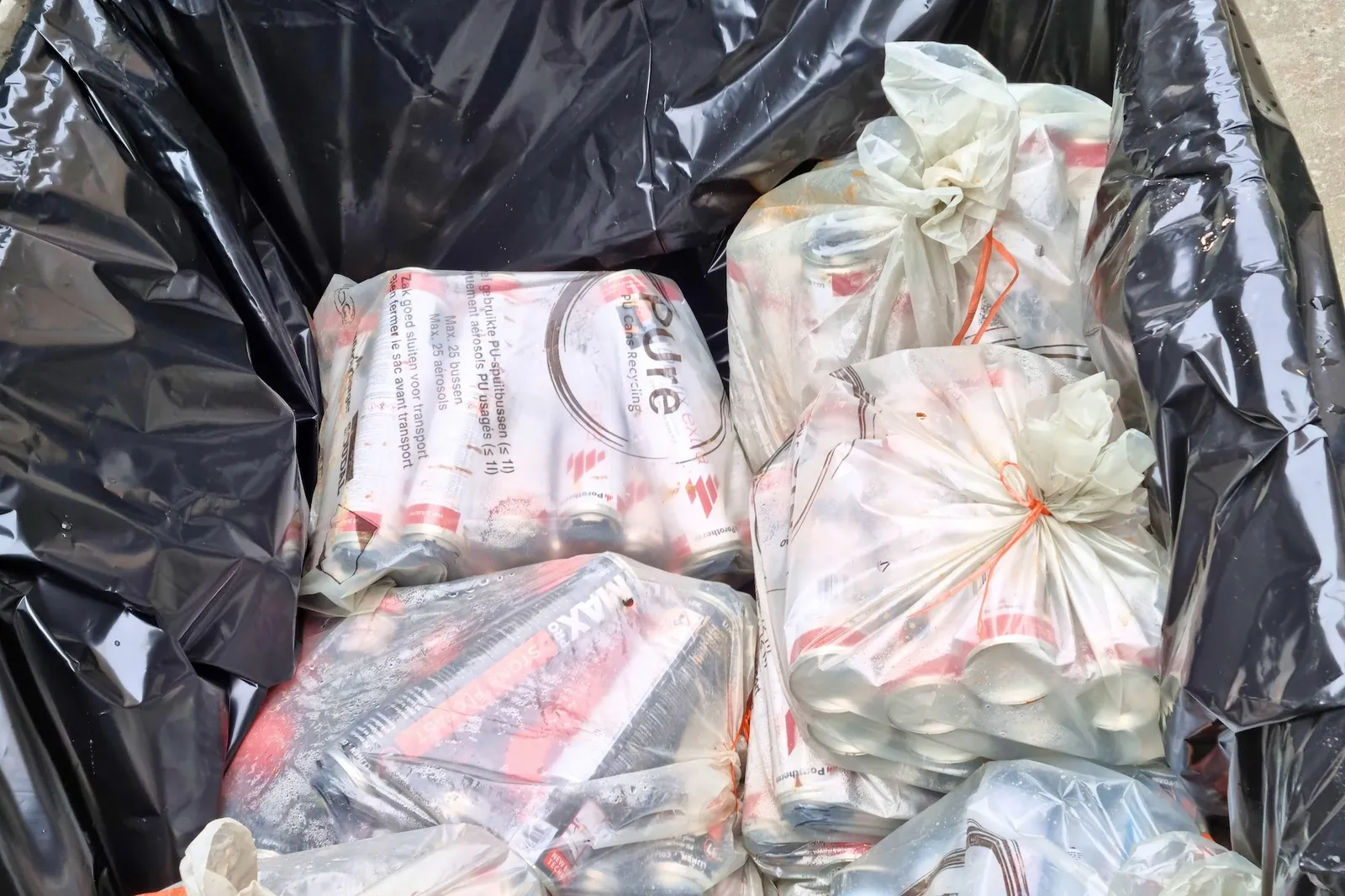
“We started small in 2022,” says Valipac project manager Wout Mertens. Contractors could collect free 50 l bags from five building materials merchants in the Antwerp area: Gedimat De Roover, Kerkstoel Bouwmaterialen, Mattijs, André Celis and Jules Frans Bouwmaterialen. They could put up to 25 empty PU foam cans in each bag, tie it closed and return it free of charge to the same locations, where a specialist collector would pick it up. Valipac was keen to support the pilot project: “We knew that Wienerberger was not the only company grappling with this issue. Soudal had the same questions, and contractors were also looking for a sustainable way to dispose of this waste. Too often, it still ends up where it doesn’t belong: in the mixed-waste container, where it damages shredders further down the recycling chain. By using PUre sorting bags, businesses comply with their sorting obligations and meet legal requirements,” Mertens explains.
90% recycling rate
To ensure that only PU foam cans go in the bags, they were clearly labelled with instructions on what can and cannot be put in them. Mertens says: “The staff member at the counter carries out an additional visual check. We have partnered with Vanheede and the German company PDR to process the cans. Vanheede is responsible for collecting the bags and taking them to a hub. Once there is enough volume, they deliver everything to PDR in Germany. With years of experience handling this waste stream, PDR recycles up to 90%: the propellants, PU, metal and plastics all get a second life.”
Expansion to other provinces
The project proved successful, and other building materials merchants have also come forward to join. Last year, the pilot project was therefore expanded to East Flanders (Santens and Lecot), Hainaut (Gobert and Bastien) and Brussels (Gobert). “The figures are rising,” says a pleased Mertens. “We collected 900 kg in 2023, and in 2024 we reached 2.5 tonnes. The fact that more wholesalers are joining helps, because contractors rarely buy from just one. We are seeing growing support for the scheme. At present, there is no alternative: PU foam cans that do not go into PUre project bags end up being incinerated. Several chains have now joined: following a positive evaluation, they will roll the scheme out to more branches.”
Making the system financially viable
There is enthusiasm all round. But the biggest challenge is still ahead: making the system financially viable. “First, we also want to get the other manufacturers on board, then explore possible ways to balance the finances. Further research will need to determine whether the contribution should come from manufacturers, contractors or both. We hope to have more clarity by next year. We do know that we will keep this pilot project running until a fully fledged system is in place. PUre has got something moving on construction sites, and we want to keep offering a solution.”
Een zakelijke vraag aan VAL-I-PAC? Get in touch
Companies in this story
Keep following this
Get an email when a new story is published. No account needed.
- SubjectWaste streams
- CompanyVAL-I-PAC







