From waste processor to raw materials producer
Text Saar BenteinImage Bioterra
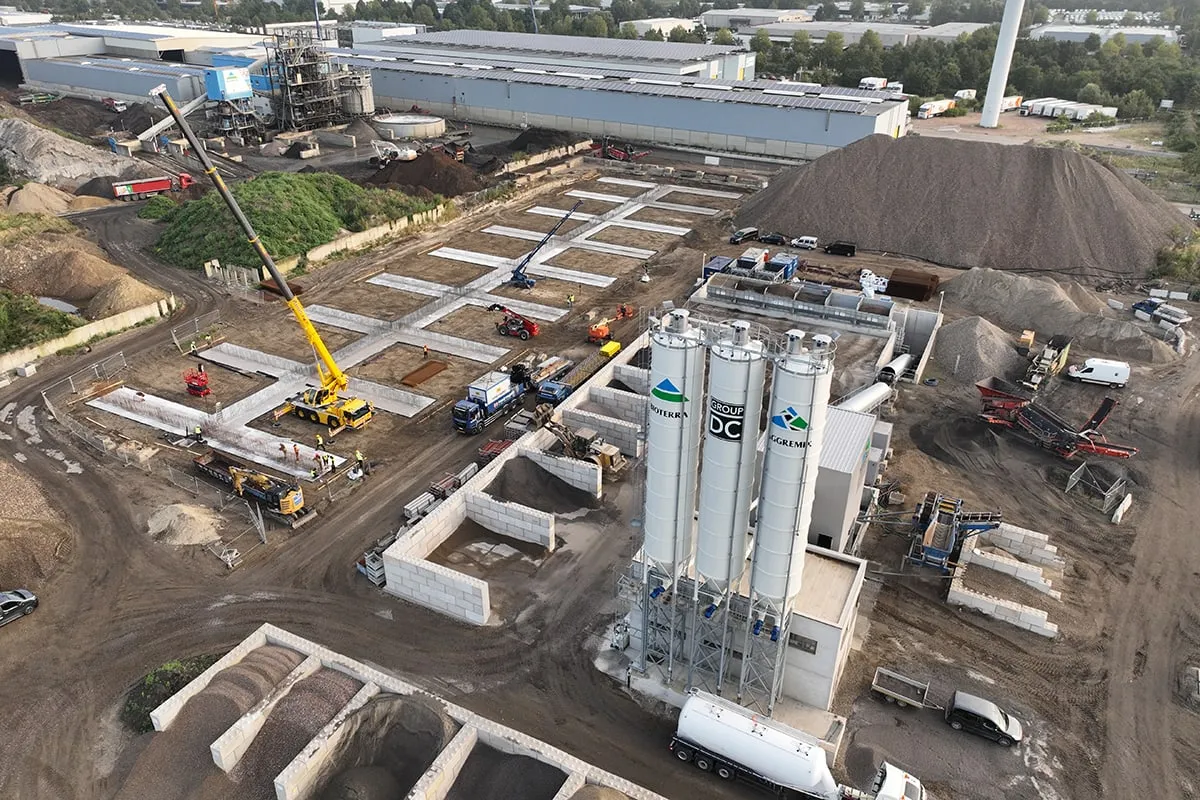
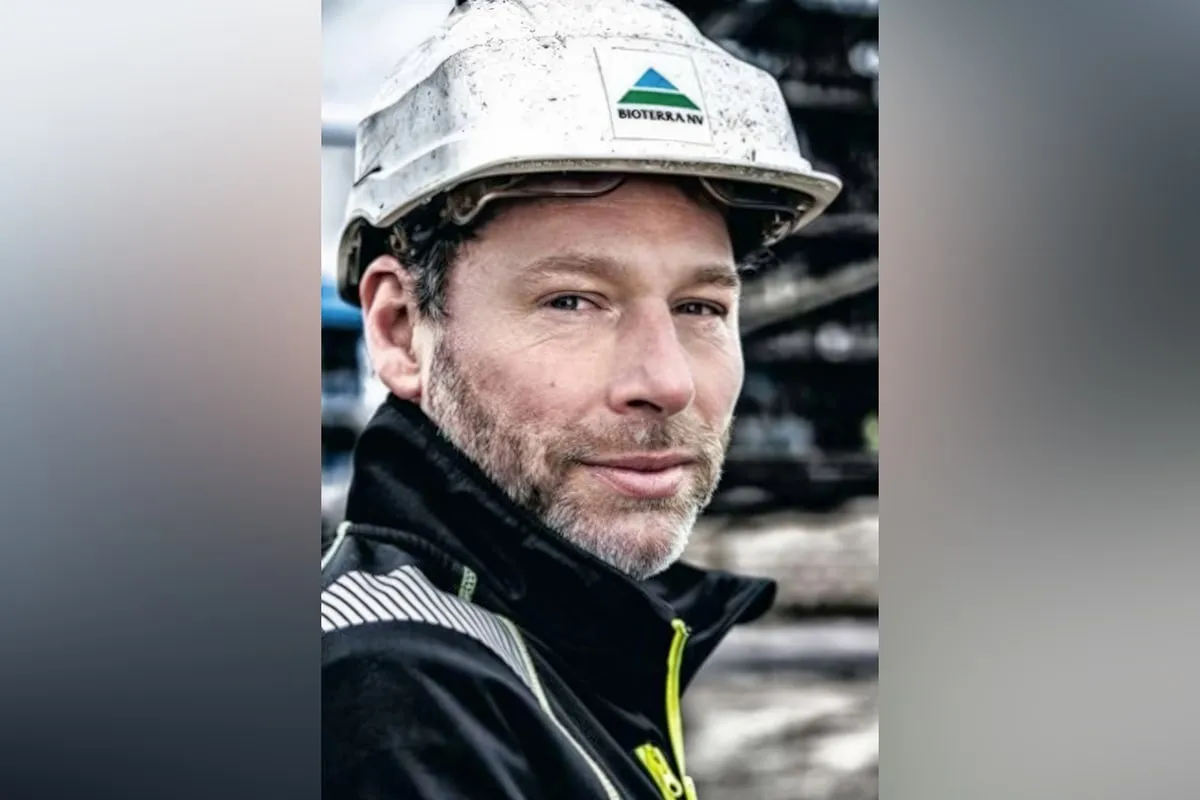
Bioterra, which specialises in the treatment of contaminated soils and various mineral waste streams, played a key role in developing the soil remediation industry in Flanders. 28 years on, with a wealth of expertise behind it, Bioterra is evolving from a processor of mineral waste into a producer of high-quality raw materials. Wouter Vermin began his career at Bioterra and is now preparing the company for a circular future alongside a team of 50 colleagues.
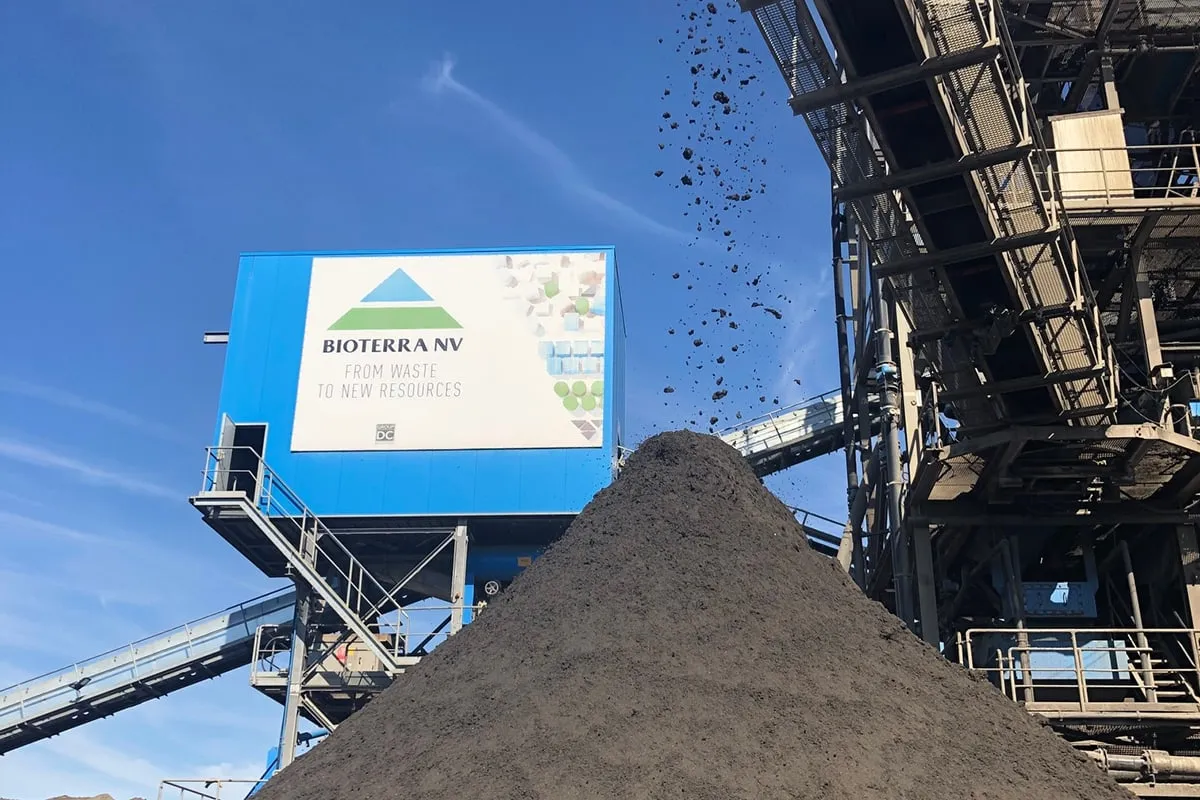
In 2016, Bioterra invested 15 million euros in building a new plant in Genk to recycle stony fractions from mineral waste streams into reusable raw materials, such as sand and aggregates for the concrete industry. Its processing capacity for these waste streams doubled at a stroke to 240,000 tonnes a year, laying the foundations for Bioterra’s future role. “We have always aimed to minimise losses and maximise the recovery of stone and sand from waste,” says Wouter Vermin, director at Bioterra and board member of Groen Beton Vert (GBV), an organisation that brings together companies committed to green and circular concrete. “Thanks to our site in Genk, ideally located next to the Albert Canal for water transport, we were able to scale up and prepare for the next phase.” That crucial next step is Aggremix. “We had the raw materials, but were too dependent on producers’ willingness to use them. So we developed new techniques to add value to recycled aggregates, eliminating any quality difference between primary and recycled concrete,” Vermin explains.
Towards the production and availability of ‘green’ concrete
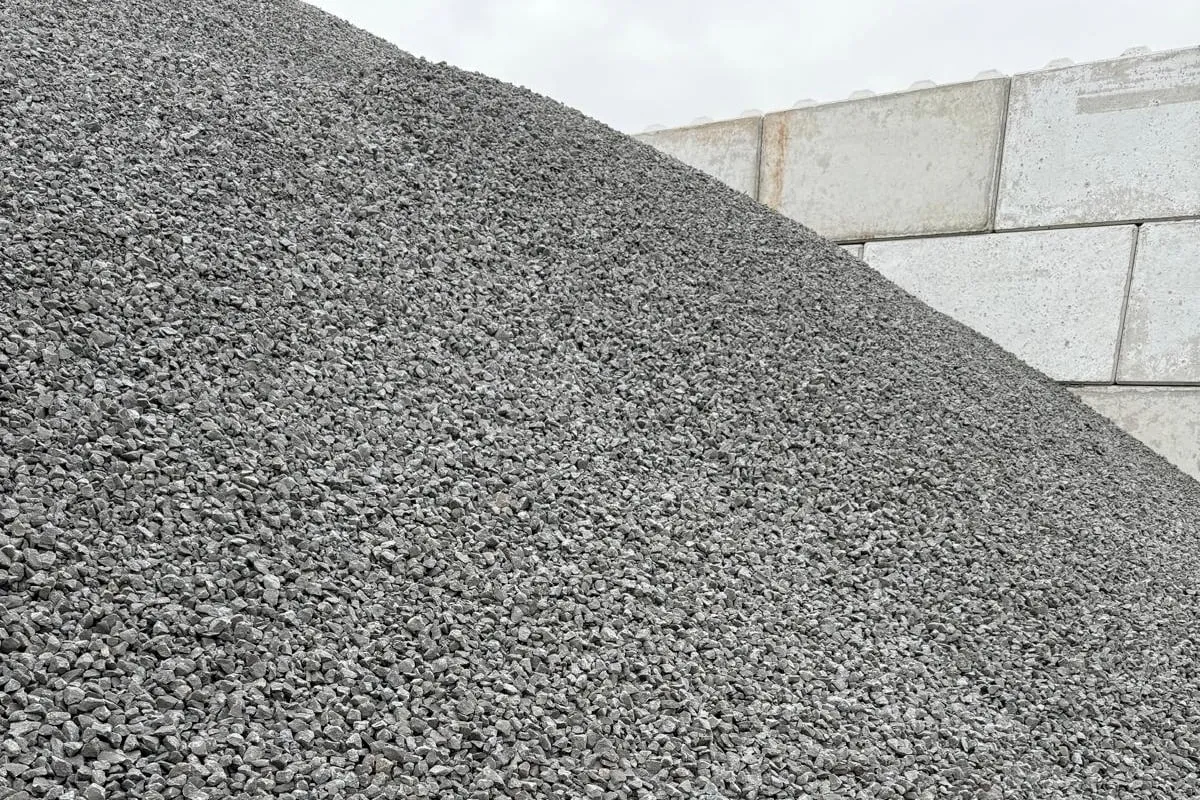
With ‘AggReMix’, Bioterra is expanding the range of high-quality raw materials available to the construction sector. Different aggregate fractions are combined and reprocessed to meet the customer’s needs and the requirements of the end product. “Tailor-made solutions are crucial, and so is quality,” Vermin stresses. “Depending on the application, between 30 and even 100% of the finished product can be made using recycled aggregates. AggReMix proves that truly green concrete is possible.” Although more and more end customers are asking for sustainable construction products, producers remain reluctant to embrace the circular trend fully. Financial and legislative incentives are still insufficient. “At the moment, we are still too dependent on a few pioneers. True believers, in other words. Standards, such as the requirement to use at least 30% recycled content by 2030, will really get the sector moving and bring a breath of fresh air,” Vermin adds. The question remains, however, to what extent the European target is achievable, given that sufficient supplies of the new raw materials will also need to be available!
More circularity, less landfilling?
Asked about some key trends, Vermin says that the pendulum can sometimes swing too far when it comes to the circular economy, and that policies are not always tested against reality. “Landfills are one example. Acting circularly means having the courage to tackle difficult waste streams too. There will always be a fraction for which no solution currently exists, not even through incineration. That is what landfills are for. Simply closing them, as happened with the only landfill in the province of Limburg, without an alternative, only creates problems.” The PFAS issue is another area where a more realistic approach is needed, according to Vermin. “All kinds of temporary frameworks for action are meant to make us correct in five years what was produced over decades. That is virtually impossible. It is seriously holding the recycling sector in a stranglehold. The PFAS issue must be addressed, no one would deny that. But a clear, long-term legal framework is needed. The absence of one means that final treatment, through landfilling or incineration, saddles the rest of the sector with exorbitant costs, which have to be paid by the government and therefore by all of us. That framework must also take account of the sector’s capacity and technological expertise so that together we can find an affordable, responsible and workable solution.”
Question about this story? Ask your question
Keep following this
Get an email when a new story is published. No account needed.
- SubjectWaste streams