












Circularity embedded in the business process
Text Saar BenteinImage Devagro
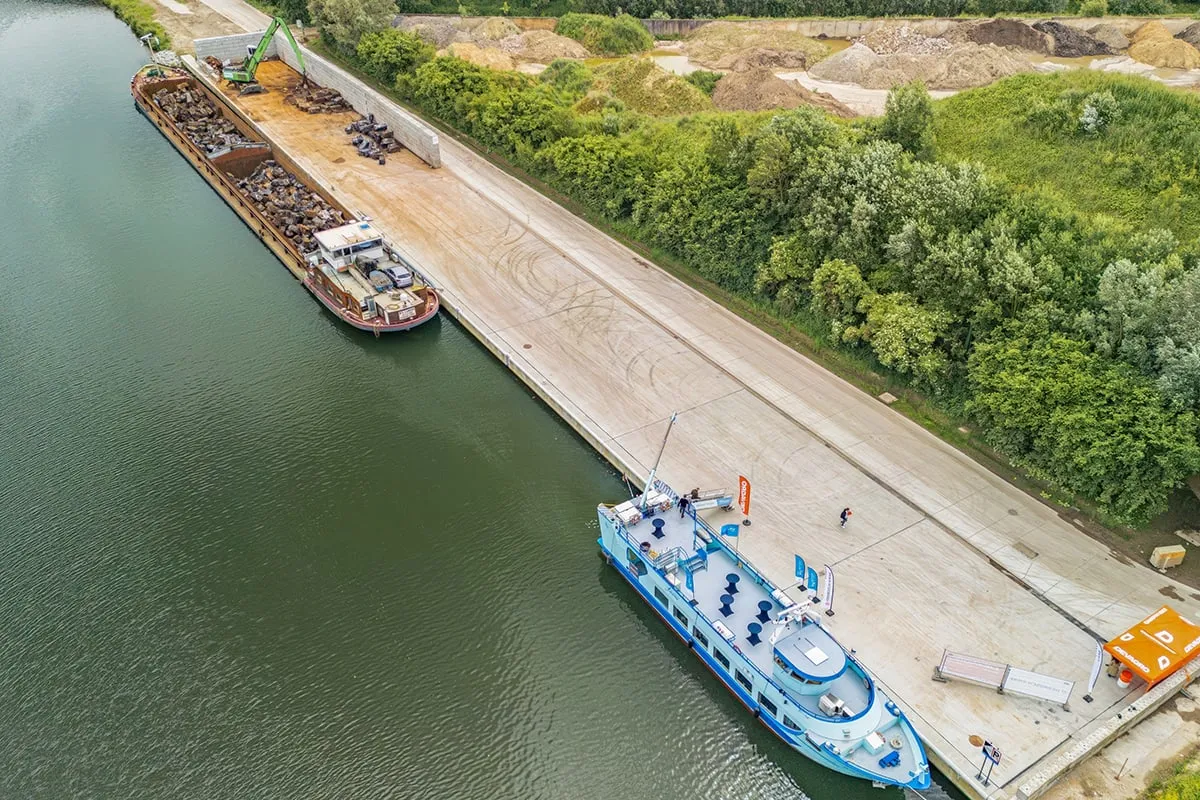
Devagro started out 35 years ago with just one excavator. Today, the company specialises in remediation, demolition, infrastructure and housebuilding, concrete and recycling, and project development. What really sets Devagro apart? It seamlessly links all its business activities. “We close our own circular loop,” says Lars Rius, innovation coordinator, who is working with his colleagues to prepare Devagro to contribute to a better, more sustainable and circular world.
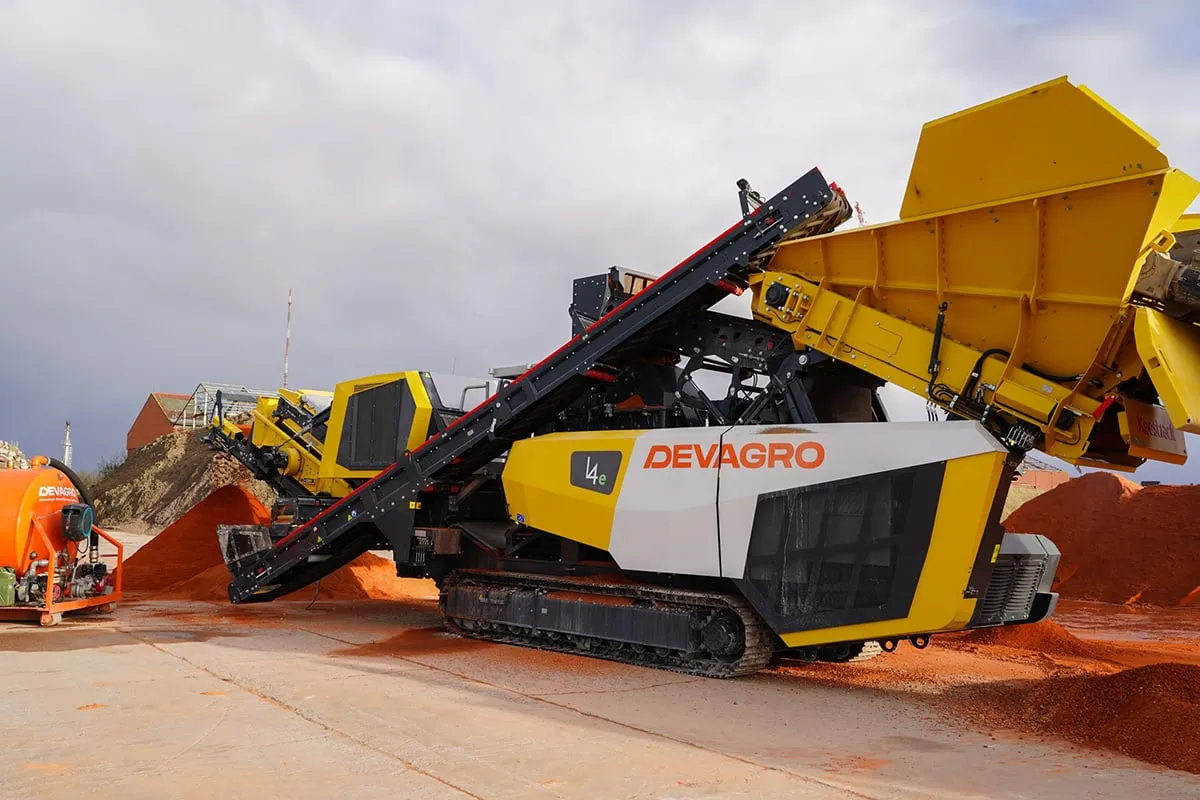
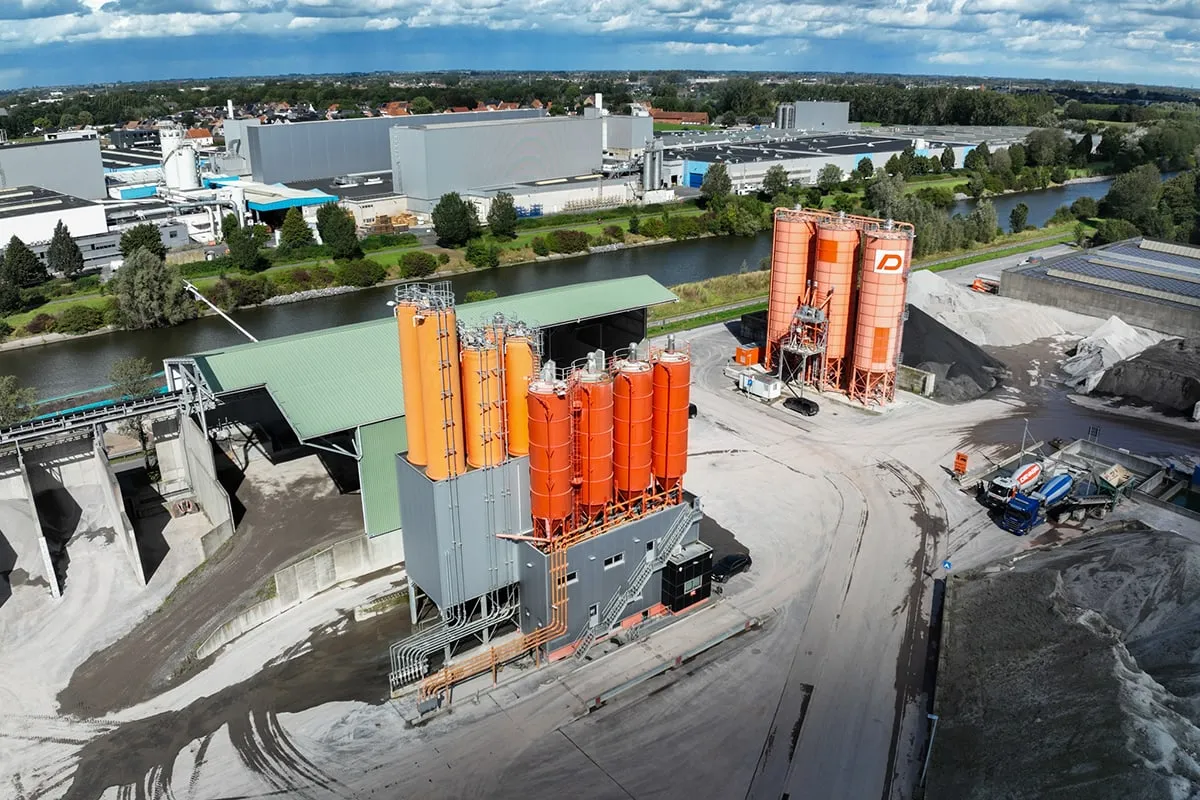
“Devagro is a textbook example of circularity: we have everything in place to close the loop. And we do so every day,” says Rius. “The waste from an old site becomes the raw material for a new one.” Concrete rubble is recycled at the concrete batching plants in Desselgem and Harelbeke. BENOR-certified ready-mixed concrete and stabilised mixtures are used for projects such as road and sewer works. “At Devagro, we fully understand the added value of circularity for us and for everyone in our value chain,” says Rius. The company is therefore taking various initiatives to make its products more sustainable, such as cement-free concrete, which has only half the CO2 impact of the best alternative currently available. Devagro has also purchased a new sand crusher, enabling it to use an even higher replacement rate in new concrete. “In 2025, we want to launch CO2-neutral concrete that meets the existing BENOR certifications. It is good for the environment and a first for Belgium,” adds Rius.
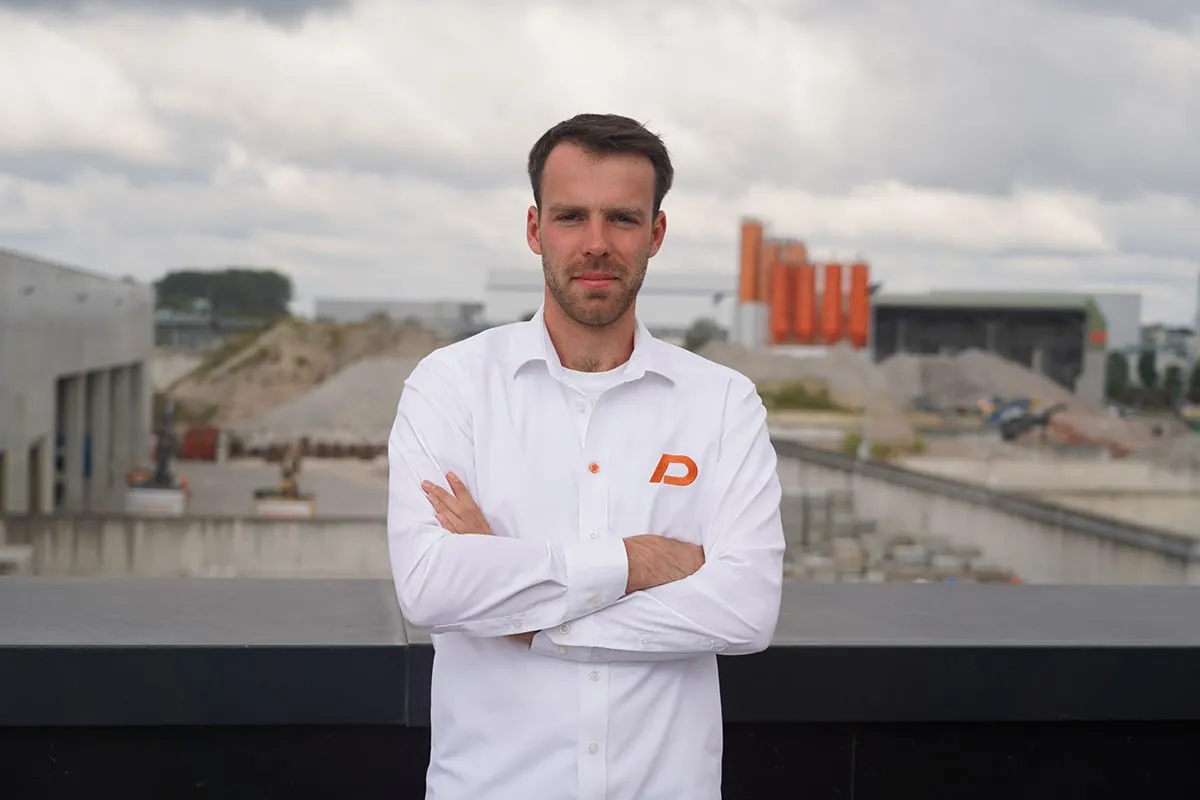
Lower environmental impact as a competitive advantage
Although the climate crisis is extremely urgent, price remains the decisive factor in public tenders. A project’s environmental impact often plays only a minor role. Nevertheless, Rius sees a shift in mindset: “Sustainability is beginning to play a part. For example, we occasionally see the CO2 Performance Ladder appearing in tender specifications. This is a good initiative in itself, but not a silver bullet. It focuses on company-level performance, which means a company can achieve a top score by, for example, using sustainable transport, while making no use of recycled materials.” Rius therefore has more faith in systems that demonstrate the environmental impact of each product, such as life cycle assessments or environmental product declarations. “We are taking steps in the right direction, but we could be more ambitious. Companies need to realise that this will ultimately give them a competitive advantage. Contractors that can demonstrate they operate sustainably will increasingly have an edge in public tenders in the future.”
More responsibility for the contractor
CSRD reporting, EPD certificates, LCA analyses, Vlarema 9 with 29 waste streams to be sorted … A host of initiatives are being introduced across the industry to promote a more circular economy. This is good for the environment, but it also creates a substantial administrative burden. “Red tape is one of the main pitfalls,” says Rius. “It is particularly difficult for smaller contractors to handle all these additional administrative requirements. Sometimes the pendulum swings too far. We need to strike a balance between ambitious regulation and the realities on the ground.” Rius therefore advocates performance-based standards that place more responsibility on the contractor. “Belgium excels at passing laws and standards that are just a little stricter than what Europe requires. If we want to remain a frontrunner in Europe and the world, we need to focus on the performance of the end product, not just on the process used to achieve it,” he concludes.
Question about this story? Ask your question
Keep following this
Get an email when a new story is published. No account needed.
- SubjectWaste streams







