Safety in a reactor for hazardous waste treatment
Text Valérie CouplezImage iStock
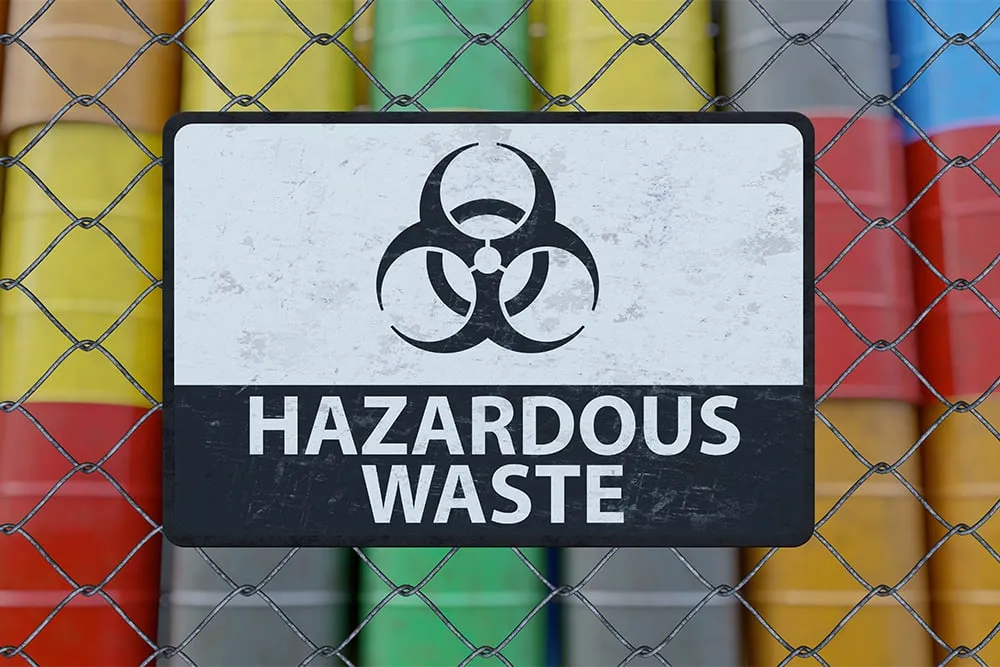
Extra attention to safety is essential in the waste and recycling sector. In this section, each edition will highlight an initiative that puts safety first. This year, the European Commission published a report discussing incidents during waste processing. By learning from these incidents, Europe aims to make recycling safer.
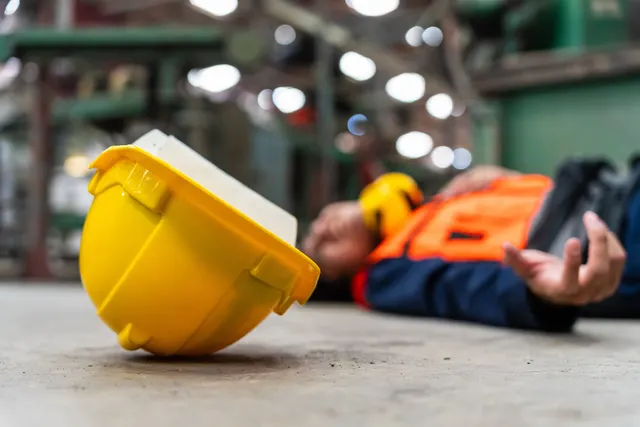
The first case concerns a reactor used to treat and recycle hazardous waste. When two employees attempted to remove deposits from the reactor’s inner wall using a solution of hydrofluoric acid and nitric acid, toxic gases were released. The gas escaped through an open sampling connection. An attempt was made to stop the reaction by adding lime, but one of the employees died from its effects. People living nearby were notified immediately.
Identify and analyse incoming waste streams
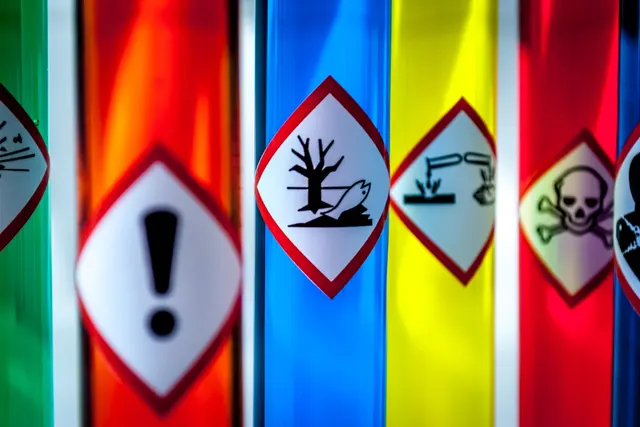
The operator of such a site must have a thorough understanding of all the hazardous properties of the waste processed there. A detailed hazard classification is essential to ensure that the waste can be stored, processed and disposed of safely. Relying solely on transport documentation is not sufficient. On delivery, it is better to verify the hazardous properties and reactivity of the waste in question. Sufficient expertise must be available to interpret the chemical analyses and take the appropriate measures.
Ensure sound risk management
There is a moral, if not legal, obligation to manage chemical hazards responsibly in order to prevent chemical accidents. This obligation is particularly important at sites that process, recycle, treat and store hazardous chemicals. To meet this responsibility, an operator must make as accurate an assessment as possible of the quantities of hazardous substances to be processed on site, the likelihood of losing control of the process, the range of possible chemical accident scenarios and their consequences. This information should be used to establish a safety management system. Such a system would have prevented many of the errors made here. For example, it would have addressed the risks identified in a hazard assessment through appropriate procedures and training, and defined a management of change procedure. It would have implemented an incident reporting and investigation process and promoted a positive safety culture. Because the site had not identified the hazards and risks, it took no steps to control them, leading to a fatal incident.
Question about this story? Ask your question
Keep following this
Get an email when a new story is published. No account needed.
- SubjectSafety first