Points to consider for the safe transfer of hazardous substances
Text Valérie CouplezImage iStock
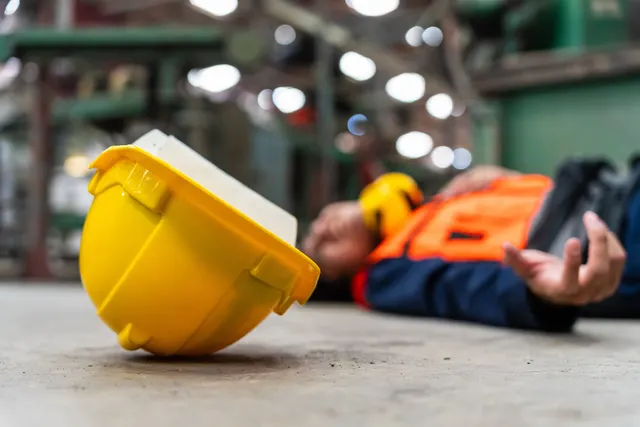
Extra attention to safety is no luxury in the waste and recycling sector. In this section, each edition will spotlight an initiative that puts safety first. The European study published a report this year discussing incidents during waste processing. By learning from these, Europe aims to make recycling safer.
Chlorine was released at a waste incineration plant while hydrochloric acid was being transferred from a tanker. The lorry was carrying three large bulk containers, each holding 1,000 l of acid, and another containing 10% sodium hypochlorite in one compartment. The bulk containers were identical and used the same transfer couplings. The driver accidentally connected the wrong bulk container. After 200 l had been transferred, the employee responsible for waste acceptance noticed chlorine being released while checking the tank’s fill level. He stopped the operation and raised the alarm. Although he felt faint, he managed to get to safety.
Safe logistics operations
Just as waste processing requires safe handling, the logistics side must also be managed correctly. The transport of hazardous substances must comply with all legal requirements. No transfer operation should be started solely on the basis of verbal confirmation. In addition, a safety management system must include standardised procedures to reduce the risk of chemicals being released during loading and unloading. Train employees in these procedures and display them in the transfer area as a quick reference for the driver and other personnel involved. Personal protective equipment (PPE) also needs attention. In this case, the employee was wearing a mask, but as the filter cartridge had not been replaced in time, it did not provide adequate protection.
Labelling and documentation
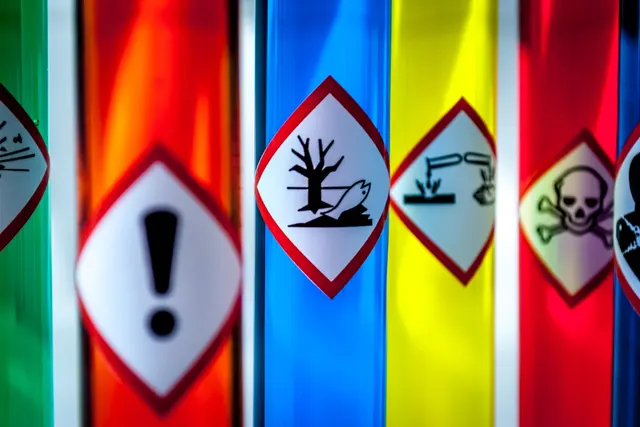
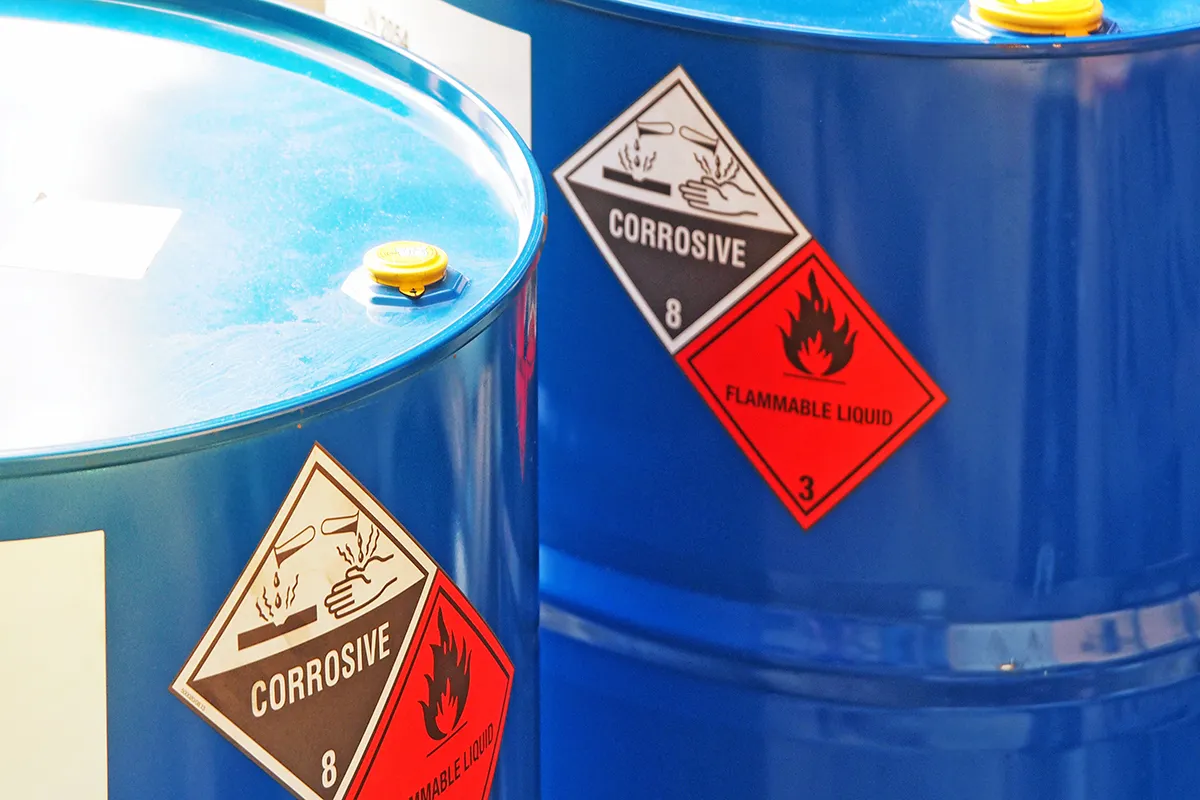
Preventive measures could have been taken. Arranging containers on the lorry in advance and labelling them correctly significantly reduces the risk of this type of accident. Integrating digital logistics applications at both the waste supplier and the processor can also reduce errors in waste deliveries. One example is scanning QR codes on waste containers. Waste processors must not only prescribe acceptance procedures, but also actively enforce them. At a minimum, these procedures must require the waste to match the documentation and the documentation to clearly state the type of hazardous waste. Labels on waste containers must also match the consignment documentation and display prominent, standardised information, including the chemical name, concentration, hazard symbols and other relevant details.
Question about this story? Ask your question
Keep following this
Get an email when a new story is published. No account needed.
- SubjectSafety first