PFAS pollution: where do things stand, and what comes next?
Pollution at the 3M site in Zwijndrecht set the ball rolling. Since then, Flanders has been doing everything it can to map the extent of PFAS pollution and develop concrete solutions. Karl Vrancken, who is overseeing the response to PFAS contamination, explains the impact this will have on the recycling sector.
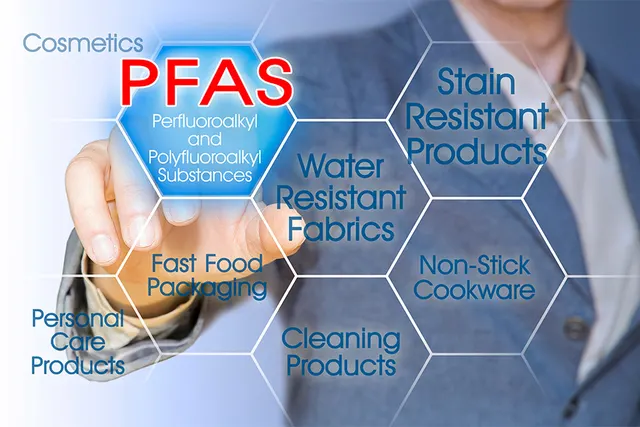
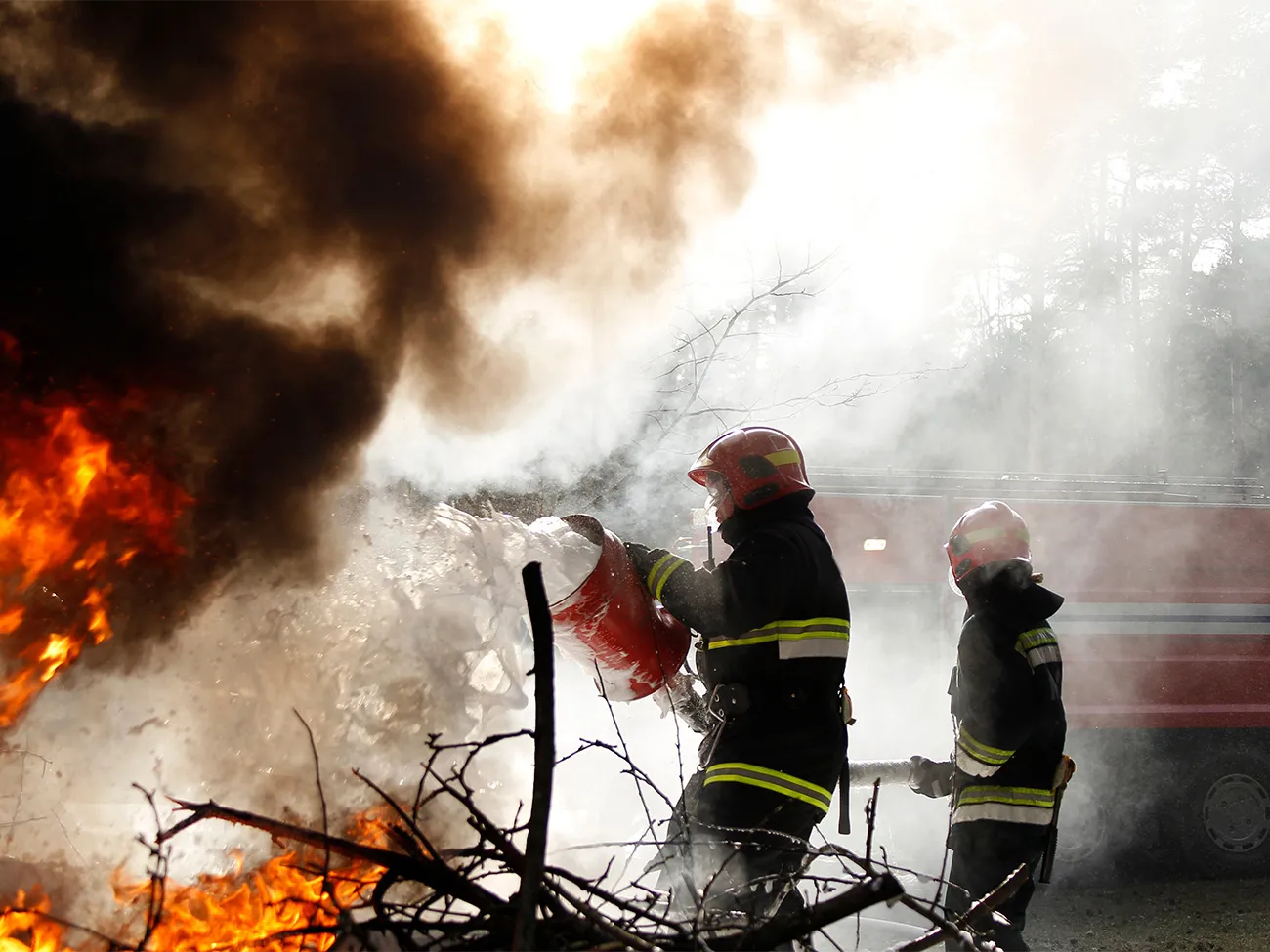
PFAS is the collective name for more than 6,000 chemical substances. Since 2006, the European Union has been trying to restrict their use because of the impact they can have on the environment and human health. PFAS accumulate in the human body, mainly through food, drinking contaminated water and inhaling dust, and break down extremely slowly. Depending on their toxicity, PFAS can disrupt hormone balance and liver function, or impair or disrupt the immune system. “That is why it is important to quickly identify where the high-risk areas are. We are focusing on industry, where PFAS are produced or used, and fire service training grounds. Until 2010, PFOS and PFOA were used in certain types of firefighting foam, especially industrial types. Even today, firefighting foam used for oil fires contains PFAS. Waste processing is also coming into focus as a third area. Landfills, water treatment plants and waste incinerators process materials containing PFAS.” The increased sense of urgency is entirely due to advances in scientific understanding. The permitted levels of PFOS in soil and groundwater have become almost a thousand times stricter in twelve years. “What was once moderately contaminated is now heavily contaminated. On 19 April 2022, we lowered the assessment values for soil contamination again, to 3.8 µg/kg ds and 110 µg/kg ds for PFOS in residential areas with vegetable gardens and industrial land, respectively.”
Identifying high-risk areas
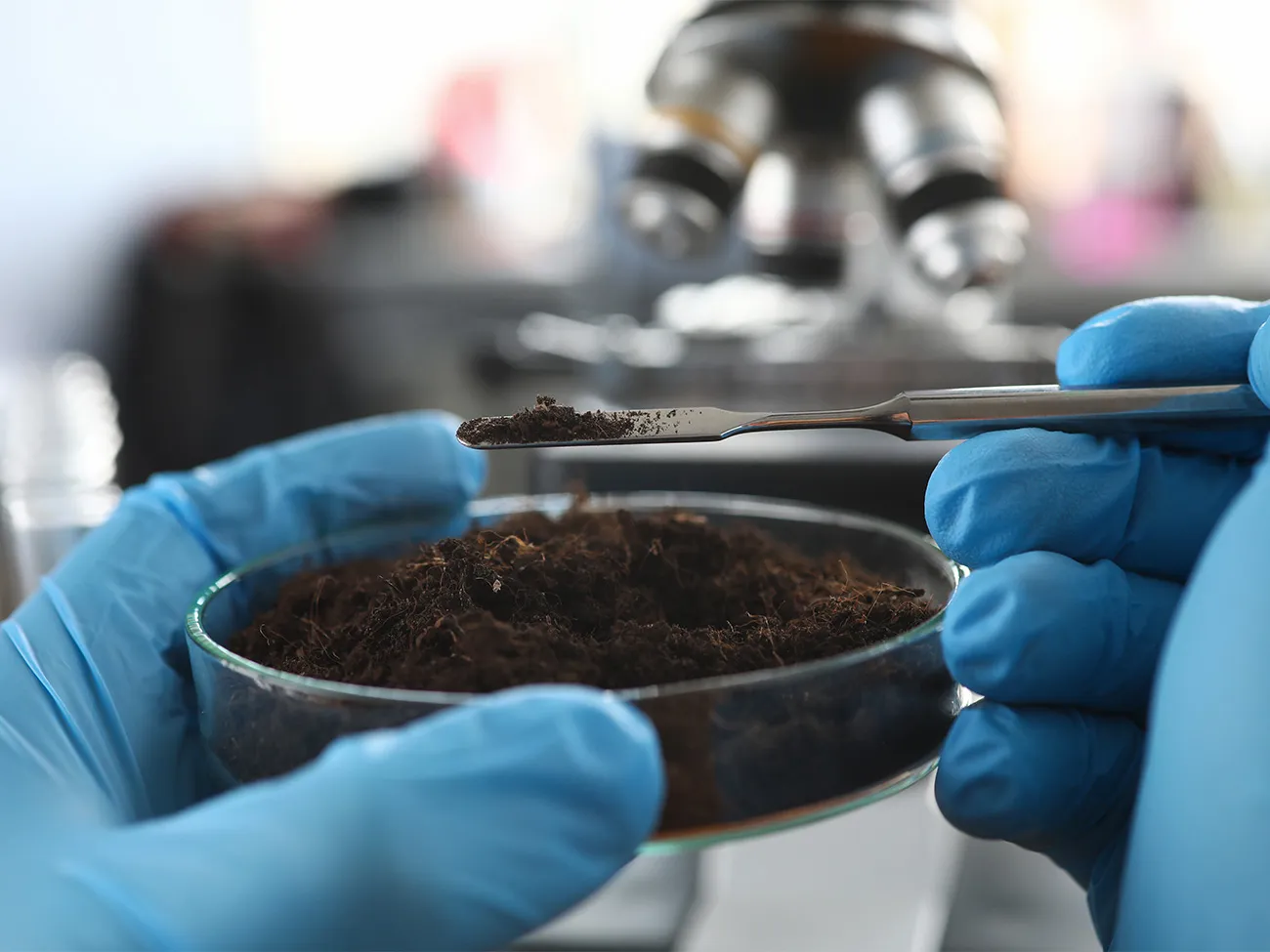
The inventory of sites where fire service training exercises were held or major fires were tackled has now been completed. Samples are being taken at all these sites for analysis. “All the information from these analyses is being brought together on an interactive map, which is updated weekly. As a precaution, we are setting a 100 m perimeter around each site. Among other things, residents are advised to eat home-grown vegetables in moderation and not to eat eggs from their own hens. These are known as no-regret measures. If further soil testing shows that there is a significant or immediate risk, additional safety measures can be taken. The map already shows plenty of green patches, though, which is good news. These are uncontaminated areas.” Further soil testing is needed within the red circles to establish the extent of the pollution. “Over the coming years, additional capacity will be needed to clean up all this land. Physicochemical treatment will be the first step, but we will also need to use innovative techniques to make everything safe again.”
Recycling sector urged to remain vigilant
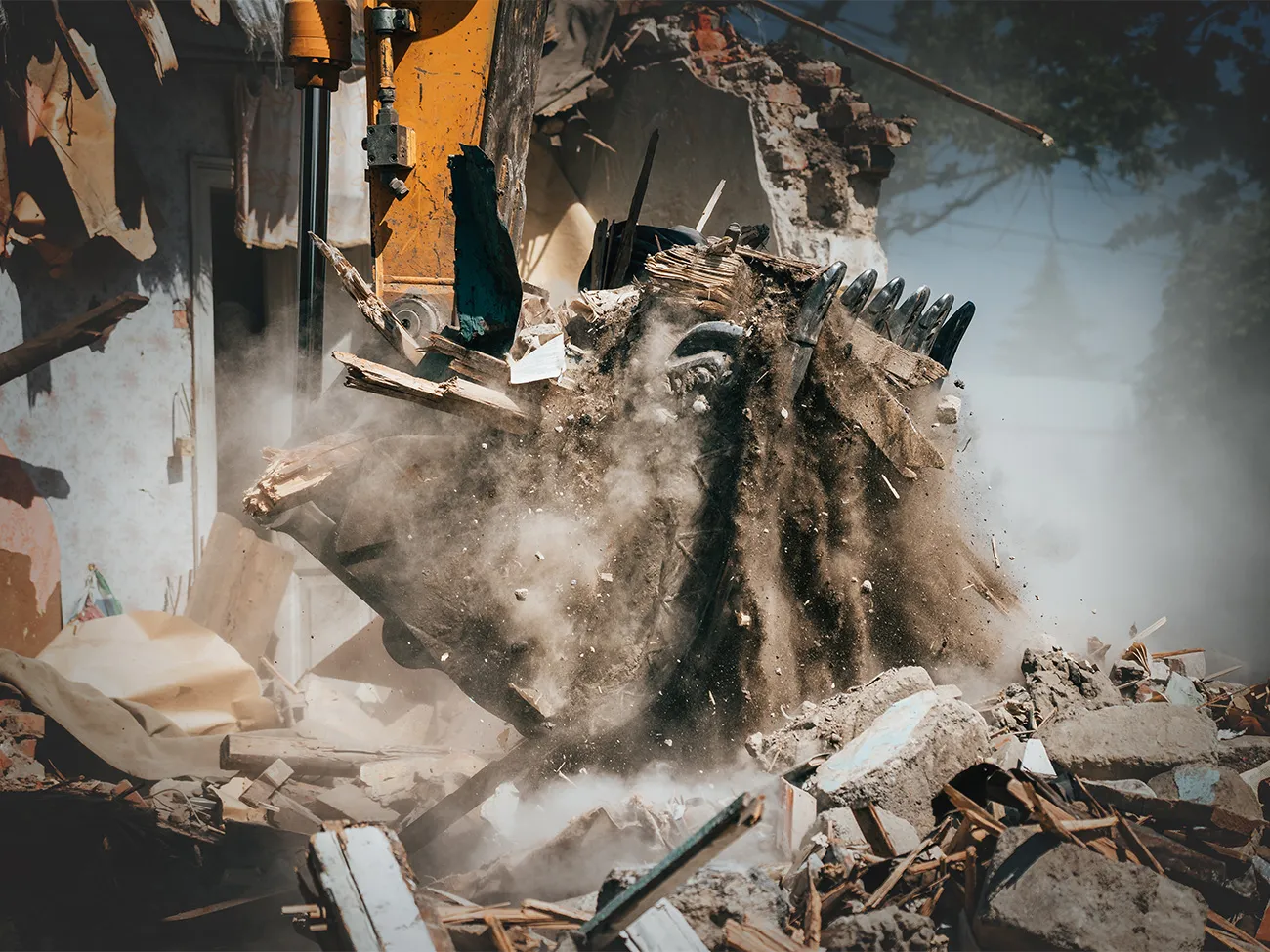
There is plenty of work ahead for the sector, but it must also remain vigilant. Elevated levels can also be found at recycling facilities through composting and anaerobic digestion. “Given how much the composition of biowaste varies by location and season, it is not easy to put figures on it. That is why a proposal is on the table for a temporary standard of 15 µg / kg ds for PFOS. Since these recycled materials end up back in the environment, for example as soil improvers, we believe it is advisable to take the necessary precautions to limit leaching into the soil.” PFAS may also be present in other recycling streams. Further research will be needed, for example, to establish the extent to which they end up in construction and demolition waste, and what can be done to limit the risk of further spread. According to Vrancken, the PFAS issue is comparable to that of heavy metals. “As with heavy metals, we need to find a new way of dealing with these organic molecules. Risk assessments will need to look not only at the toxicity and bioaccumulation of these substances, but also at their persistence and mobility.”
What happens next?
“The past few months have mainly been spent mapping high-risk areas and gathering as much knowledge as possible. Now it is time for action. Remediation is already well under way in Willebroek. A remediation plan for the residential area in Zwijndrecht is on the table. Plans also need to be drawn up for the industrial site and the Oosterweel construction site. By consulting all stakeholders, we can agree on the right approach and phasing. The inventory that has been compiled must now also lead to targeted communication with residents about the risks. We will also look at how we can gradually tighten the standards. Finally, I hope industry will actively support the phase-out of PFAS. We also want to help these companies find alternatives. This is essential if we are to move towards a sustainable world.”
And the rest of Europe?
Unfortunately, PFAS pollution is not confined to Flanders. The research being carried out here is being closely watched across Europe to see what lessons can be learned. “For example, following the pollution at 3M, there was concern in the Netherlands about the Westerschelde. There is now a great deal of communication about the research taking place. We are also actively sharing knowledge, because the insights gained from all this research in Flanders may apply elsewhere, and vice versa.”
Question about this story? Ask your question
Keep following this
Get an email when a new story is published. No account needed.
- ThemeSafe and clean processing
- SubjectPFAS pollution