












Turn-key sorting plants with Finnish robot technology
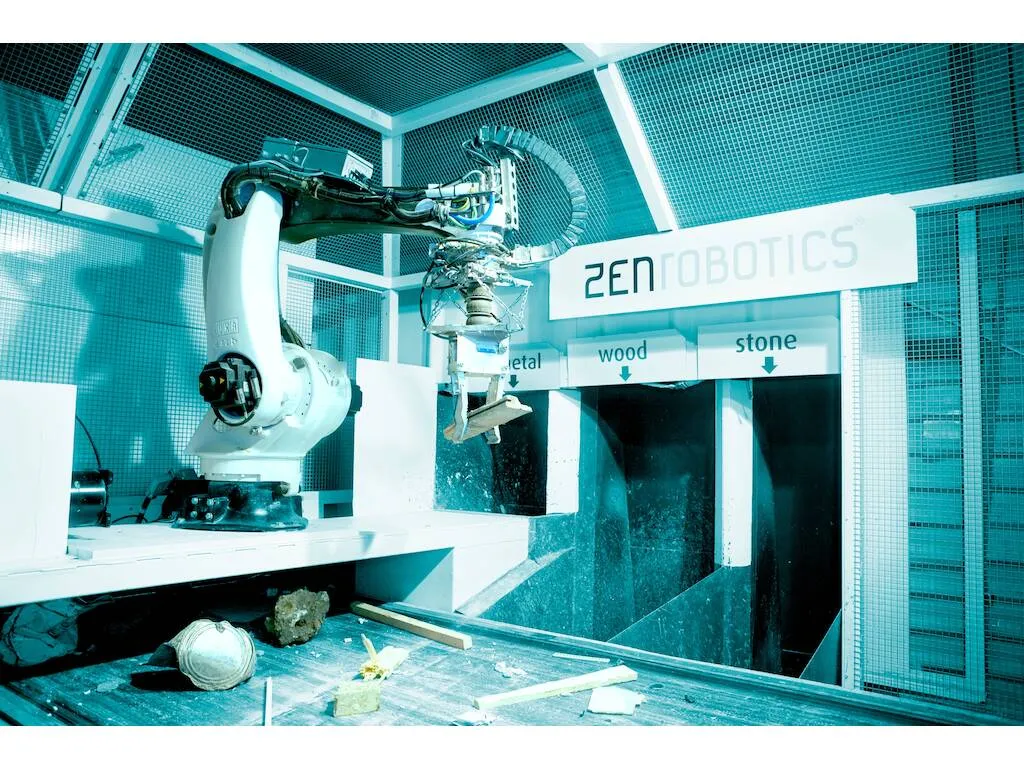
No waste processing company should still want to sort waste by hand, believes Wouter van der Pool, operations manager at the Dutch branch of the Avermann Group. “It is difficult work, unhealthy work, mind-numbing work. In fact, it is nothing less than a rotten job.” For this reason, Avermann is increasingly engineering and building sorting plants equipped with robots.
Van der Pool knows there is still a lot of debate about the quality of sorting robots. “But the fact is that a robot does not get tired. And when you stand behind a conveyor belt sorting by hand, at some point you inevitably stop being able to tell the different types of plastic apart. Then you start making mistakes. We tested this extensively using cameras in a sorting cabin.”
It is no coincidence that sorting staff are becoming increasingly difficult to find in the Netherlands, and that we have to recruit them from countries further and further afield. “That is something we should not want at all,” says Van der Pool. “And there is no need to. A robot does this work better and, ultimately, more cheaply.”
That does not mean, however, that robotic sorting is not also dependent on how the waste is fed into the system. Van der Pool: “Ultimately, a robot is only as good as the pre-sorting and the way the bulk material is fed in.”
Relatively straightforward
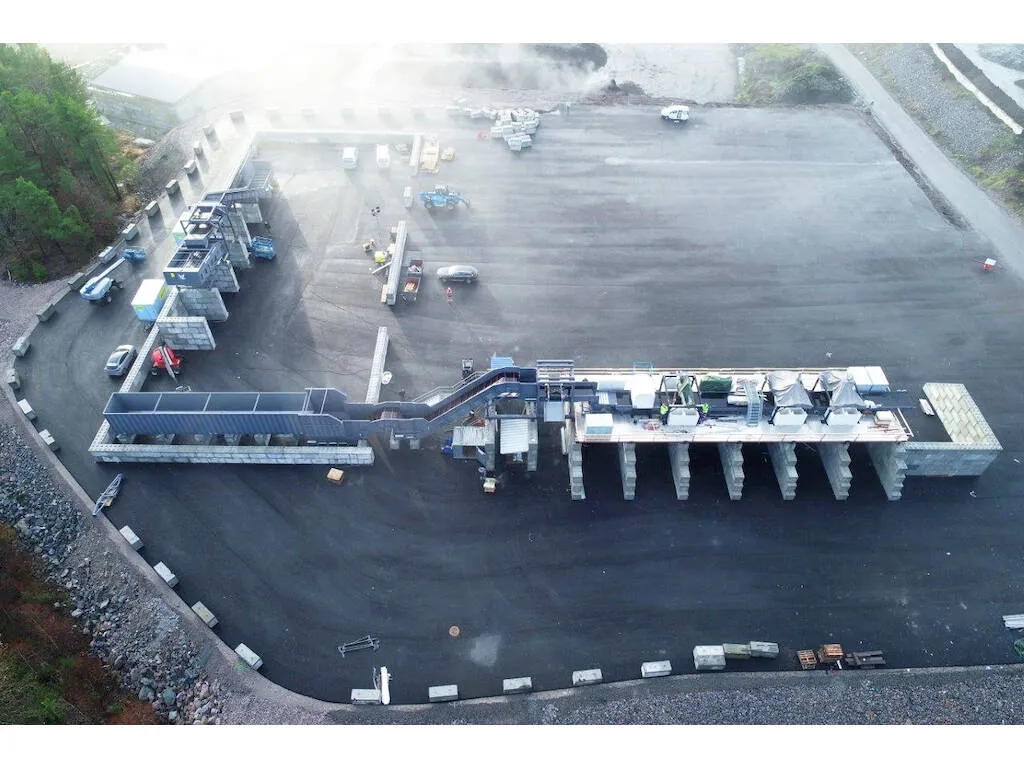
For this reason, Avermann builds relatively straightforward sorting plants equipped with sorting robots from the Finnish brand ZenRobotics. “The plant is built from Lego blocks and can be installed indoors or outdoors. Often, no building permit is even needed. The waste is tipped onto the conveyor belt. The walking floor serves as your bunker, where everything is deposited in bulk. Conveyor belts spread it out and turn the bulk material into a single layer. It then passes over a screen, essentially a vibrating screen that shakes out the sand and fines and spreads the material out. This leaves only the larger pieces, which a robot can sort very well. If required, a second vibrating screen can be added to feed another robot. This lets you sort all the recyclable materials: metals together, different types of wood together, different plastics, you name it. At the back, the fines come out, suitable only for incineration.” According to Van der Pool, it is a fairly simple set-up. “Just a number of conveyor belts, screens and robots. In principle, everything can be housed in a tent, loaded and left to run automatically. Some customers fill it in the evening, and the plant is standing empty and ready again in the morning. Everything can be controlled using an app on a smartphone.”
Smarter
Van der Pool reiterates that the process operator’s role is changing with the times. “Where sorting work used to be done mainly by people with a relatively low level of education, there is an increasing demand for well-trained operators.”
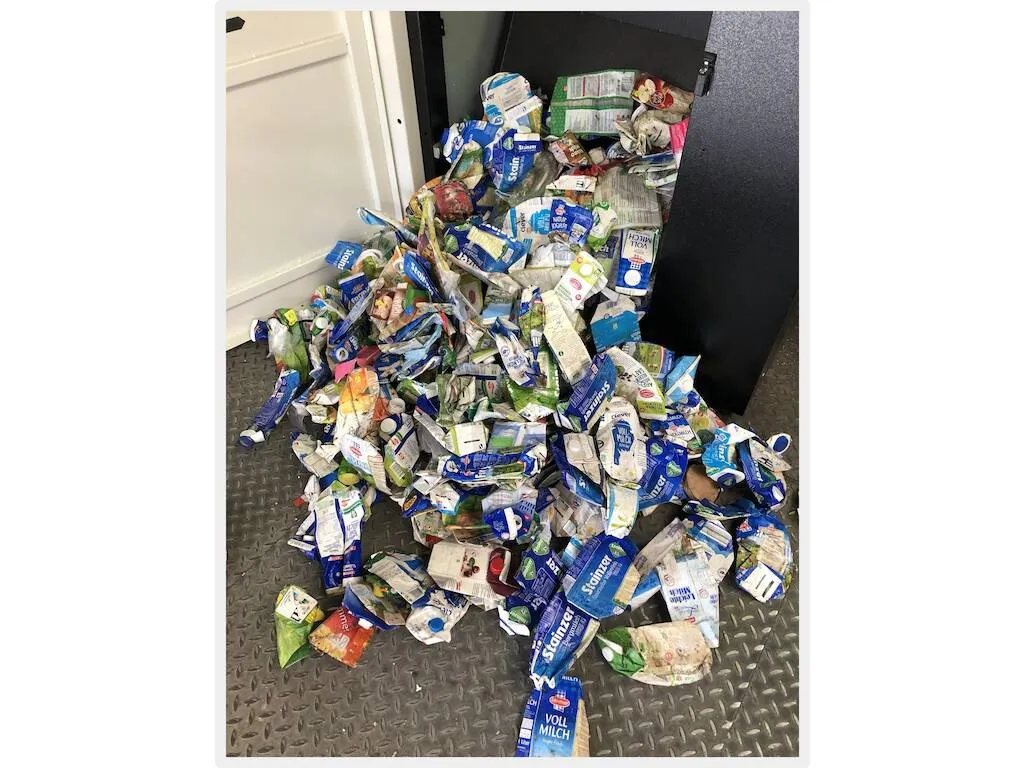
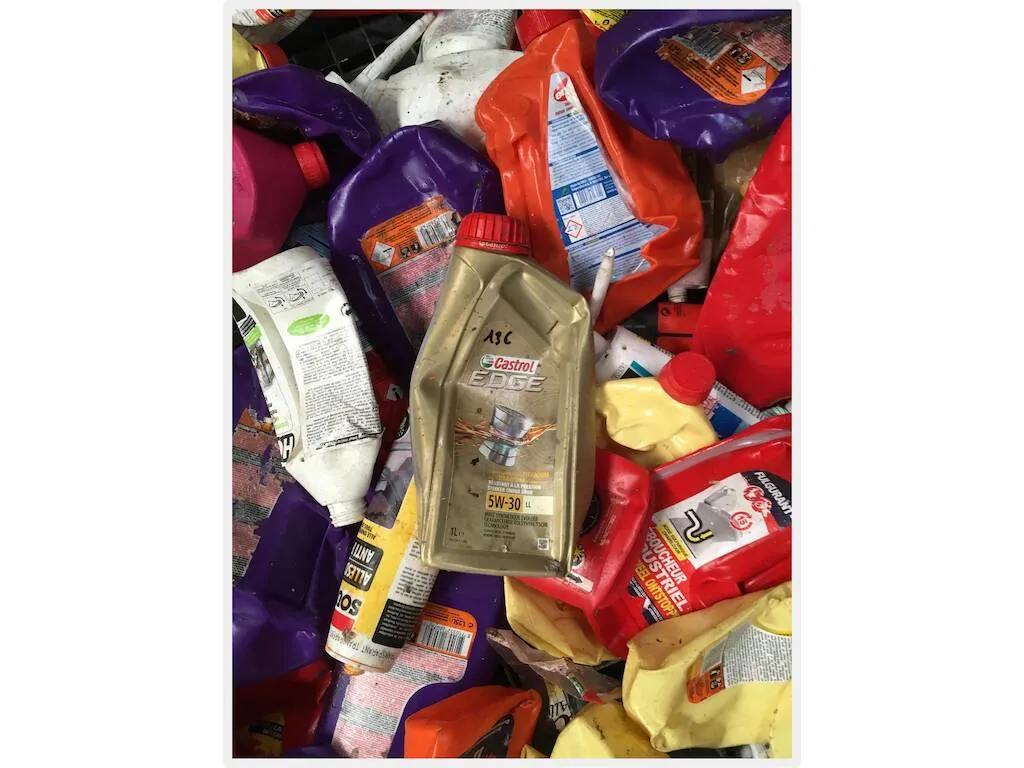
The robots are also getting smarter through artificial intelligence and machine learning. “They can not only distinguish between different types of plastic or sort out a bottle from a particular brand, but even handle difficult choices. For example, if a can is folded inside a plastic bottle, the robot knows to put it in a special bin for ‘difficult choices’. We humans really cannot do that at such speeds.”
According to Van der Pool, the reason only a limited number of waste sorters are working with robots despite this is that they are somewhat wary of new things. “You certainly do not need to hold back because of the cost. Especially if you run sorting staff in shifts and operate 24/7, you will more than recoup the cost of a robot within a year. And compared with a few years ago, robot technology has become much better. In 2021, there really is a choice. There are now a few major, reputable players on the market, including ZenRobotics.”
Question about this story? Ask your question
Keep following this
Get an email when a new story is published. No account needed.
- SubjectWaste streams







