












‘Treat old cars as waste instead’
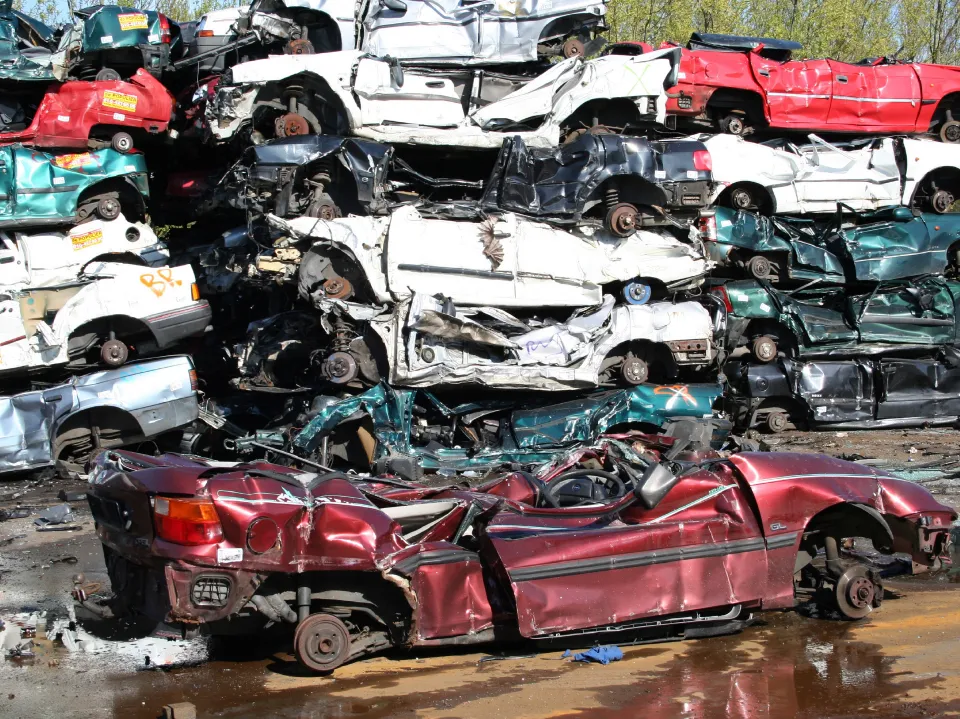
The Dutch Human Environment and Transport Inspectorate (ILT) investigated the export of used vehicles in its study ‘Used vehicles exported to Africa’. The study found that more than 80 per cent of the vehicles currently exported from the Netherlands to Africa will no longer be welcome in fifteen West African countries from 1 January 2021.
These countries are members of the Economic Community of West African States (ECOWAS). They want to curb the high levels of air pollution, climate emissions and unsafe road conditions caused by the state of these vehicles. From 1 January, they will impose legal requirements on the age and emissions of imported vehicles. Vehicles must be no more than ten years old and must meet the Euro 4 emissions standard.
“Many cars and vans shipped from European ports to Africa are severely outdated. They have a low emissions rating, usually an invalid roadworthiness certificate, and often have problems with the catalytic converter or particulate filter,” the study states.
Around 500,000 used passenger vehicles are removed from the Dutch vehicle register each year. More than half of these cars and vans are exported. This includes around 80,000 vehicles which, given their emissions rating and age, would normally be scrapped in the Netherlands. More than a quarter of these, over 20,000, end up in Africa.
The Netherlands is not the only country exporting old vehicles. The flow of cars from other European countries is “even larger and no better in quality”, the study states. “The consequences of these exports for Africa are substantial: higher emissions of particulate matter, NOx and CO2, resulting in health and environmental risks. And when poor-quality vehicles take to the roads there, they create unsafe conditions.”
Waste
In most African countries, the treatment infrastructure is often unsuitable for dismantling end-of-life vehicles in an environmentally responsible way. This creates environmental and health risks. “For the Netherlands and other countries from which these cars originate, this means wasting valuable parts and raw materials. This is not in line with the objectives of achieving a circular economy,” the researchers write.
Jan van den Bos, Inspector General of the ILT: “Now that West African countries have made it so clear that they no longer want old and polluting cars, it is important to ensure at European level that these cars are no longer exported from Europe to Africa either. If we act only in the Netherlands, exporters will divert their shipments to other European ports, doing little to help solve the problem. Our report sends an important signal that swift, coordinated action is needed. The findings of the ILT study will help bring this about.”
Waste
Under current legislation, the European Waste Shipment Regulation (EWSR) and the End-of-Life Vehicles Directive, only a small number of vehicles sent to Africa can currently be classified as waste. The ILT and the Dutch Ministry of Infrastructure and Water Management say that changes to, and harmonisation of, legislation between exporting and importing countries are urgently needed. “This could ensure that poor-quality cars are considered waste in future. These vehicles could then no longer be exported to West African countries, but would instead be recycled within Europe.” The European Commission is currently reviewing the EWSR and the End-of-Life Vehicles Directive.
The ILT also shared its findings with the United Nations Environment Programme (UNEP), which is working to improve the quality of Africa’s vehicle fleet in terms of both exhaust emissions and road safety. UNEP welcomes the study and says it wants to work with the Netherlands and other partners to improve regulations governing used vehicles exported to African countries, as this “will bring local and global benefits for air quality and the climate.”
Question about this story? Ask your question
Keep following this
Get an email when a new story is published. No account needed.
- SubjectWaste streams







