Transport company puts its green words into action
Jan Kingma, director of DTC Surhuisterveen: ‘Being CO2 neutral is easy’
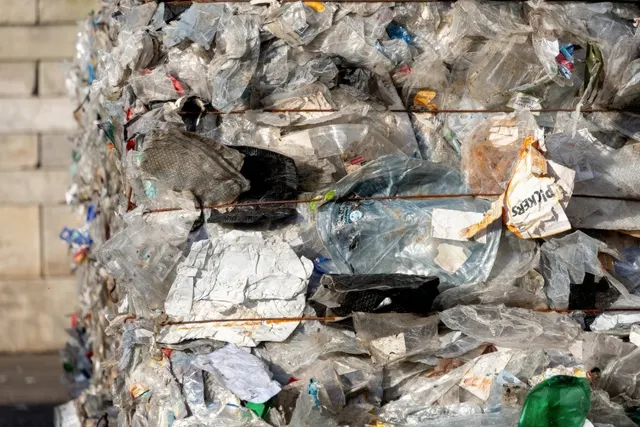
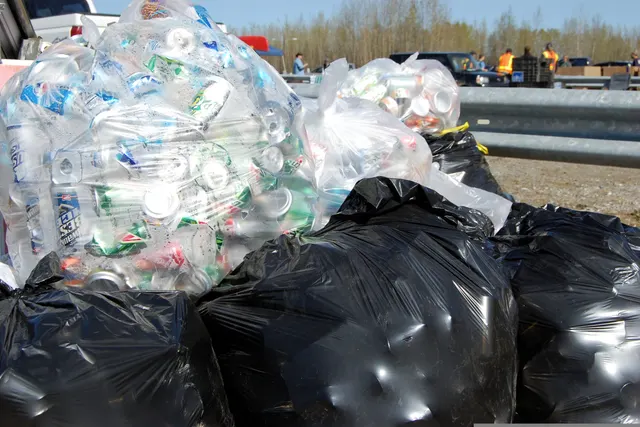
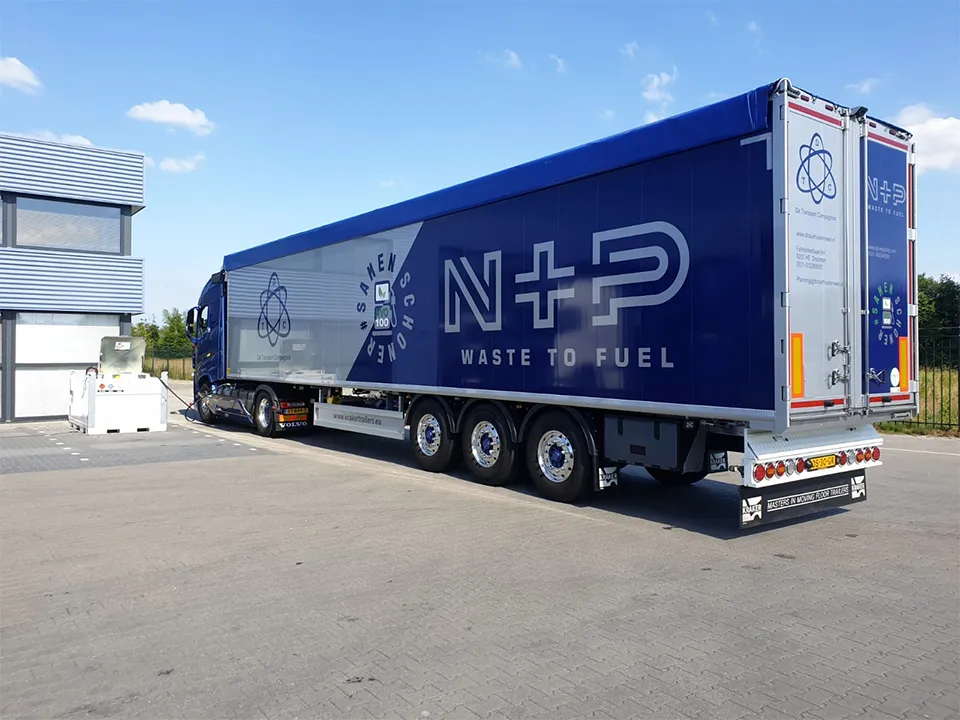
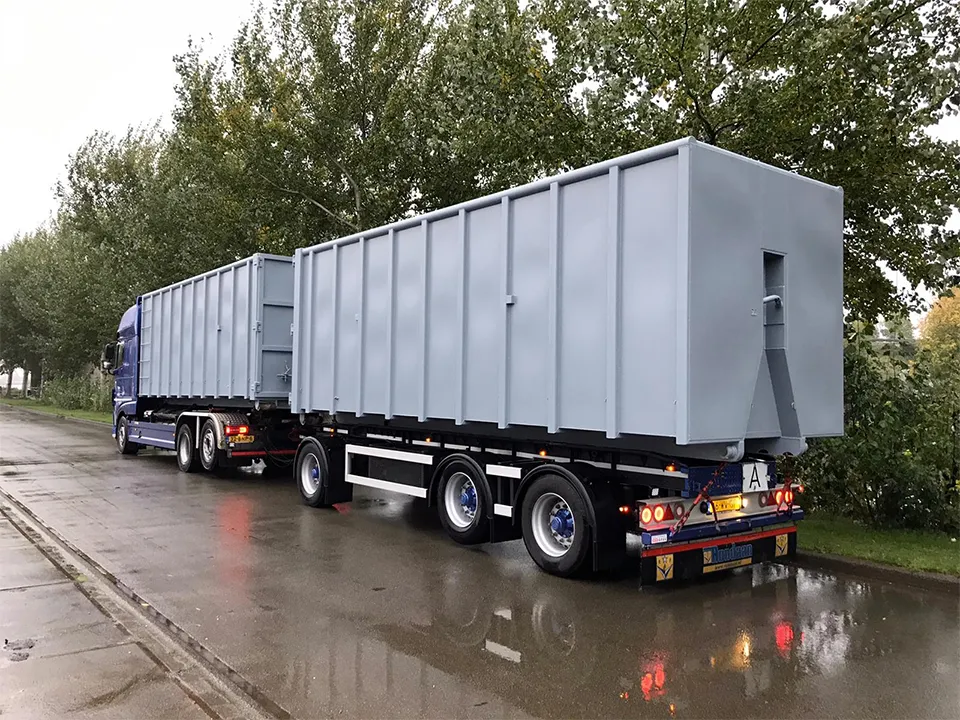
Every day, more than 85 lorries operated by transport company DTC Surhuisterveen and its partner Koning & Drenth from Beerta travel across Europe’s roads. The main activity of these companies, based in the north of the Netherlands, is transport for the recycling industry and companies producing secondary fuels. Director Jan Kingma would like to see this become CO2 neutral as soon as possible. “Because we are convinced it can be done, but the whole chain has to play its part.”
The letters DTC once stood for Drentse Transport Combinatie, when the company was still based in Geesbrug. But when Jan Kingma took over the business from his father with three partners and moved it to Drachten, they renamed the transport company Dé Transport Compagnon. “Because that is what we want to be: a partner to our customers. Customers who want their freight transported from A to B correctly, reliably and efficiently.”
But DTC does not do that at any price. Kingma: “This company is an extension of ourselves, with the same values and standards. That means we do not want to join the race to the bottom. For that reason, we employ Dutch drivers, run our business responsibly and try to minimise our environmental impact.”
Naive
Kingma knows better than anyone that this way of working costs money. But we do not want to work any other way, even though it has cost DTC customers in the past. “We set ourselves certain rules. Call us naive if you like, but we believe there is more to life than just making money. Our employees must be able to do their jobs in a decent way, and we listen to them. We comply with driving and rest-time regulations, try not to overload our vehicles and regularly replace our fleet so we can operate the cleanest engines and safest lorries. So it is disappointing when customers, most of whom claim to place sustainability and corporate social responsibility high on their agenda, turn out to care only about the money. Sadly, I find this is all too often just window dressing. Nothing more than marketing talk. They do not care how a service is delivered, as long as you are the cheapest. The result is that someone else picks up the tab.”
It is entirely possible to run a business as sustainably as possible. DTC is proving this in partnership with one of its clients, N+P Group. “Together, we decided to run some of our Euro VI vehicles exclusively on blue diesel (HVO 100). Yes, it is more expensive, but N+P Group is willing to share the additional cost with us. This cuts CO2 emissions per Euro VI vehicle by up to 89%. And that is what it should be about. No LNG for the exemption from road tolls, no subsidies, just making a conscious contribution to people and the environment through our own efforts, even if that means higher costs.”
Subsidies
“We are convinced that if everyone contributes their fair share, the sector can become CO2 neutral in no time. It really is not difficult, but we have to stop competing on price alone. And if you want the market to take this on, you also have to stop subsidies, which simply keep unhealthy practices alive. It is impossible to compete with them using a sound business model.” In this respect, Kingma is pleased to see European countries increasingly having to rely on waste treatment and recycling at home. “Until a few years ago, our waste was shipped all over the world. That was obviously unsustainable. Fortunately, more and more countries in Asia and Africa are refusing our waste. We can handle it ourselves. Dutch incinerators are the cleanest in Europe, and demand for energy is only increasing. That is why we are transporting more and more waste from Belgium and Germany to the Netherlands. It used to be the other way round: we transported our waste to Germany for landfill, but now they are digging up those old landfill sites in Germany. In the end, it is simply a matter of trade: supply and demand. With so much incineration capacity, demand is currently in the Netherlands. But I have also seen imports from Great Britain fall sharply, partly because of Brexit.” Ultimately, DTC would prefer to bring in waste and raw materials, then take recycled or finished products straight back out. “A fully circular system. We are not there yet, partly because of the high quality standards imposed on products. But fortunately, things are moving increasingly in that direction. And as a transport company, we are happy to contribute.”
DTC merges with Koning & Drenth
In May this year, DTC Surhuisterveen merged with fellow industry operator Koning & Drenth. Kingma says the merger followed close collaboration. “We were often crossing paths and saw that in this market it makes more sense to join forces. We face the same challenges, and by merging we can grow together responsibly. Our doors will remain open to other companies that share our way of thinking and working. We want to help drive synergistic partnerships built on trust and transparency, creating value for customers in a socially responsible way.”
Both companies will continue to operate in their current form and carry on their activities under their own names. Together, they deploy around 85 vehicle combinations every day. Some are company-owned combinations driven by Dutch drivers on the payroll; others are regular subcontractors who operate DTC trailers throughout the year.
Question about this story? Ask your question
Keep following this
Get an email when a new story is published. No account needed.
- SubjectWaste streams