Safety in the waste industry
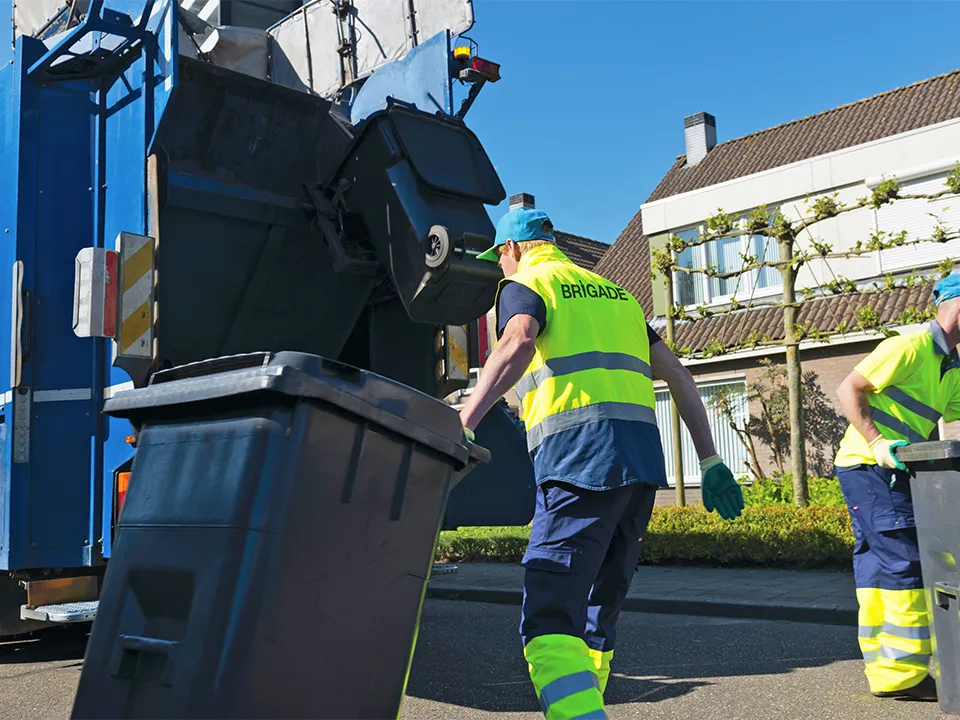
Poor weather, traffic jams, pedestrians and other road users around or behind the vehicle, and badly parked cars are just some of the reasons for the high number of incidents in the industry. Although most accidents occur during processing, safety during waste collection also deserves attention.
Incidents and problems in the waste industry can include:
• Damage to parked vehicles
• Accidents caused by blind spots around refuse collection vehicles
• Complaints about noisy alarms (beep…beep…beep)
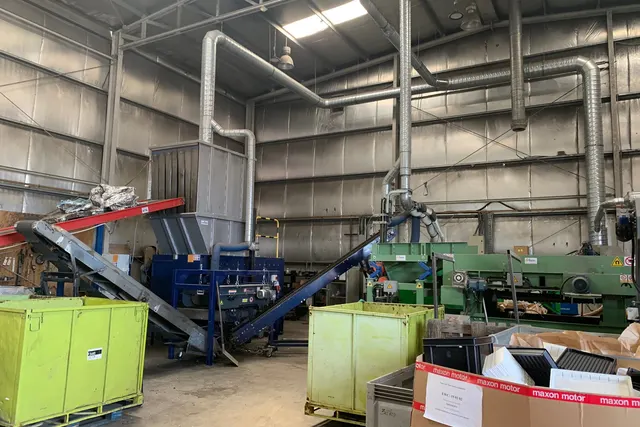
• People falling or being pulled into processing machinery
• Exposure to hazardous substances
Fatalities and injuries
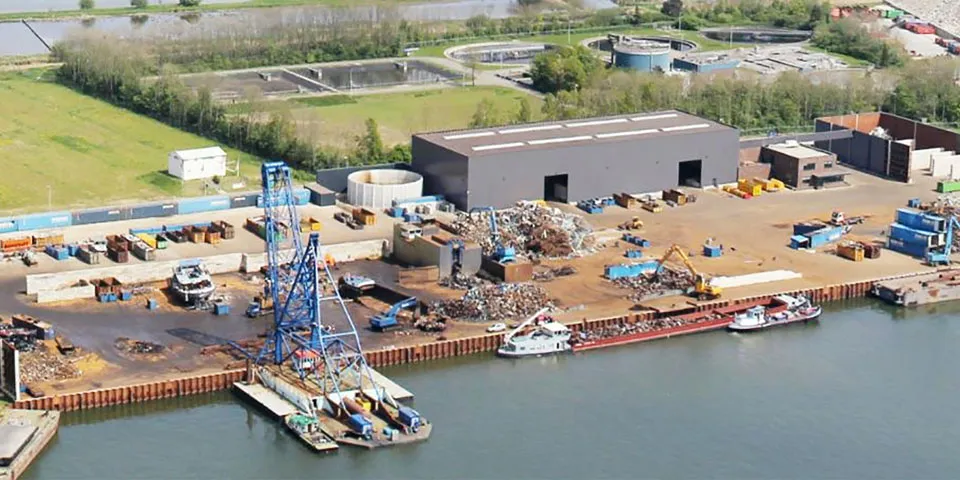
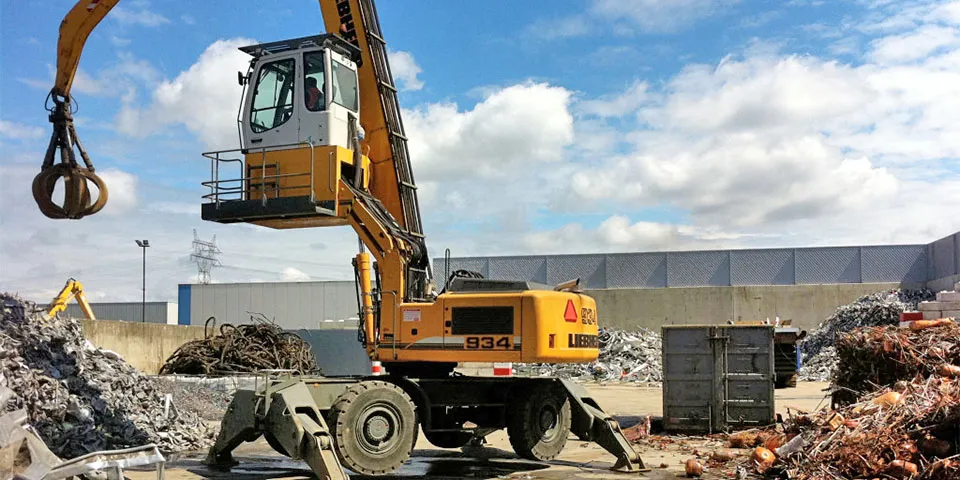
A major cause for concern is the number of injuries and fatalities among workers at recycling and waste sites, where heavy vehicles and machinery are in constant use. The industry is among the most dangerous sectors in terms of the number of injuries and fatalities. The figures are comparable around the world. In the United Kingdom, the waste industry is the most dangerous occupation, with a fatal injury rate 15 times higher than the average across all industries. EU statistics paint a similar picture.
Safety equipment: what is available?
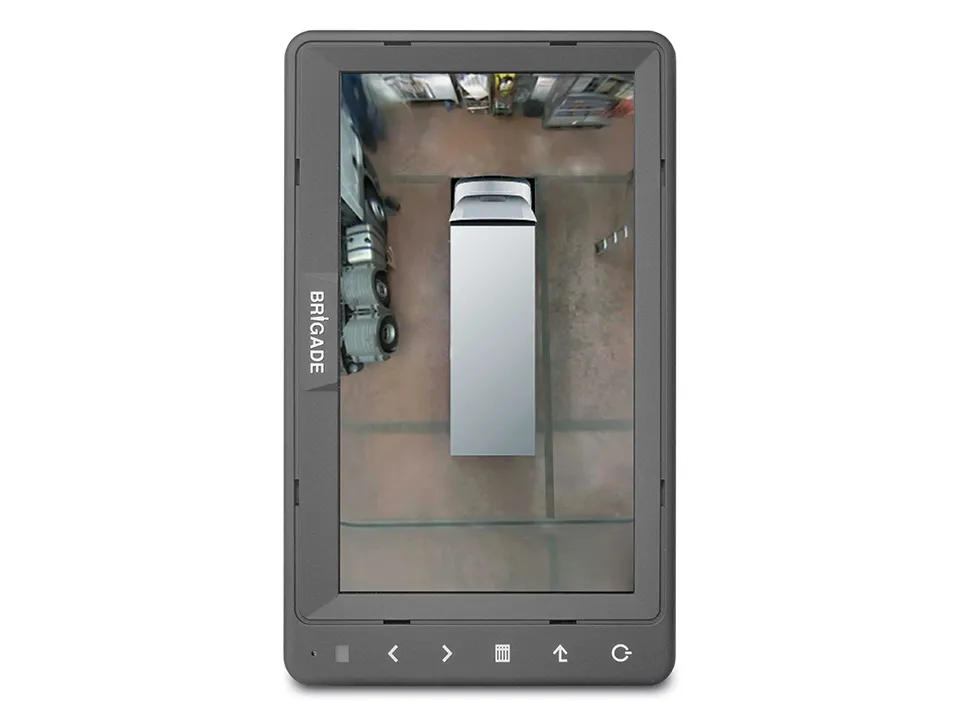
Waste and recycling companies are investing increasingly in safety to reduce the number of incidents involving their employees and the public. Whether it is a refuse collection vehicle in crowded streets or machinery at a recycling site, manoeuvring and turning are necessary, often with road users or staff nearby. Vehicle mirrors cannot eliminate blind spots entirely, but camera systems can. Brigade Electronics’ Backeye®360 is the preferred option. This intelligent camera and monitor system is designed to assist with low-speed manoeuvring by giving the driver a complete, real-time view of the vehicle and its surroundings from above.
Protection for drivers and road users
The system combines images from four ultra-wide-angle cameras and sends them to an ECU (Electronic Control Unit), which stitches and corrects the images to create a single view. Research has shown that in the time it takes to scan four mirrors, assess the situation and then react to hazards, a vehicle can travel up to 10 m. Backeye®360 protects not only the driver, but also every road user or pedestrian in the vicinity of the vehicle.
Radar detection
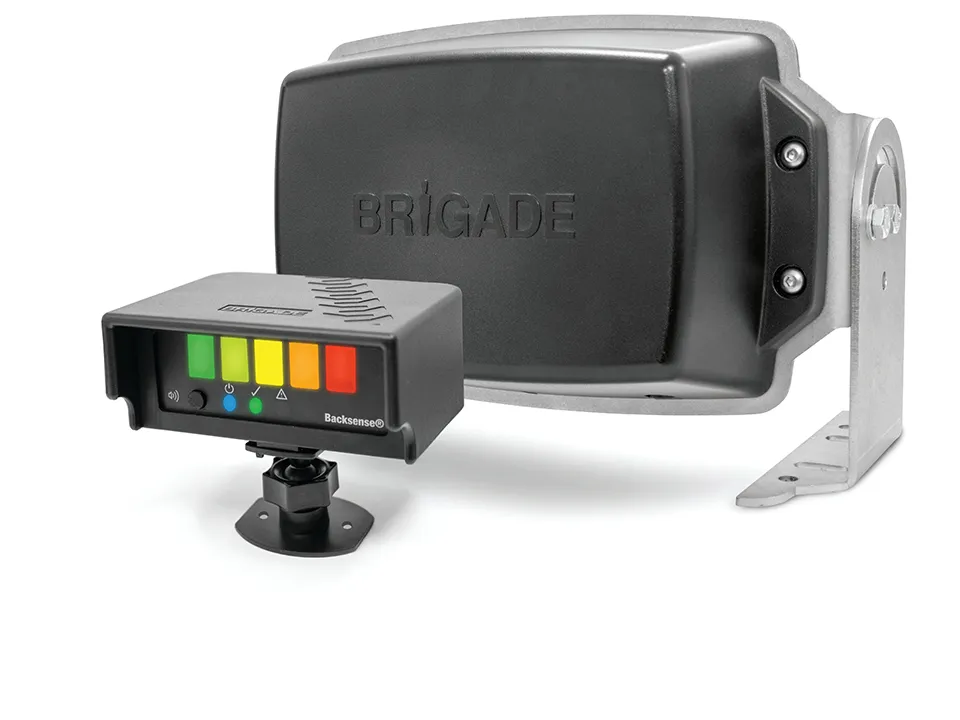
Another invaluable safety system is radar obstacle detection, which is also designed to protect people and objects in blind spots. Radar detection works by providing audible and visual warnings in the cab, and is effective even in harsh weather. Brigade’s Backsense can be programmed with a tailored detection range of up to 30 m in length and 10 m in width. The advantage of radar as a complement to Backeye®360 is that even if the driver is briefly distracted, they will always receive an audible warning.
White noise alarm
Optimum vehicle safety is achieved by warning both the driver and people nearby, which can be done with a white noise alarm. This alarm does not cause noise nuisance, but produces a ssh shh sound that is only audible in the danger zone. Brigade’s bbs-tek® white noise alarm alerts anyone near a vehicle that it is approaching or reversing.
360° detection zone
A new product is Zonesafe, which is highly suitable for the waste and recycling sector, particularly waste processing companies. The system uses an antenna in the vehicle and RFID tags worn by employees. The antenna creates a 360° detection zone around the vehicle. If an employee or object enters this zone, both the driver and the employee are alerted to the danger.
Leading supplier
Brigade Electronics is a world-leading supplier of safety equipment and solutions for commercial vehicles and machinery. Brigade’s products help reduce the risk of collisions and protect vulnerable road users by minimising vehicle blind spots and helping drivers manoeuvre safely.
Question about this story? Ask your question
Keep following this
Get an email when a new story is published. No account needed.
- SubjectWaste streams